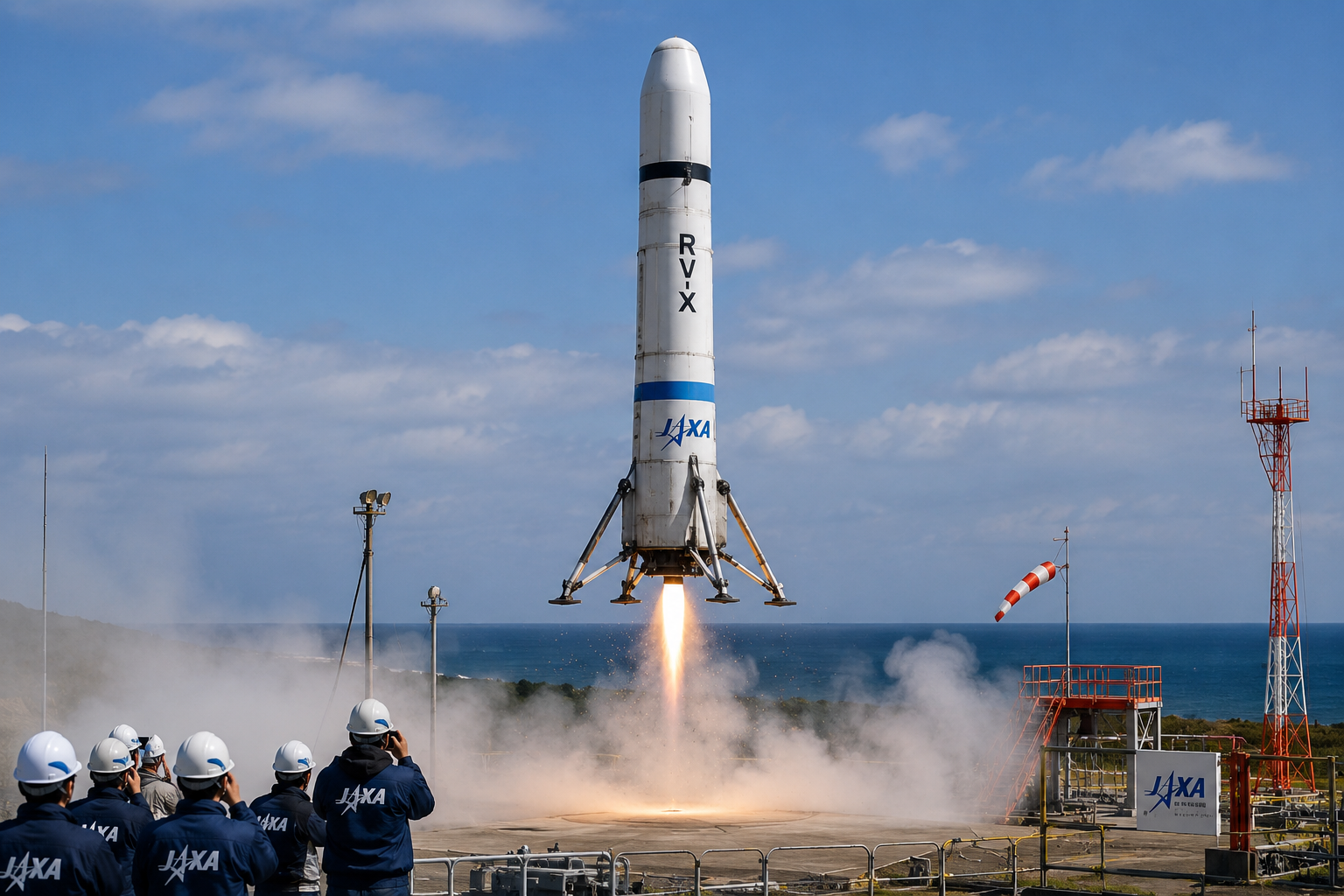








NASA’s Artemis program is entering a new phase that could shape the future of human settlements beyond Earth. With Artemis III now focused on testing Orion docking operations with commercial lunar landers in low Earth orbit, and Artemis IV expected to take astronauts back to the lunar surface, NASA is building the foundation for long-term Moon exploration, future lunar bases, and eventually human missions to Mars.
NASA’s next Moon mission is no longer just about returning astronauts to the lunar surface. It is becoming a rehearsal for something much bigger: the future of human colonies in space.
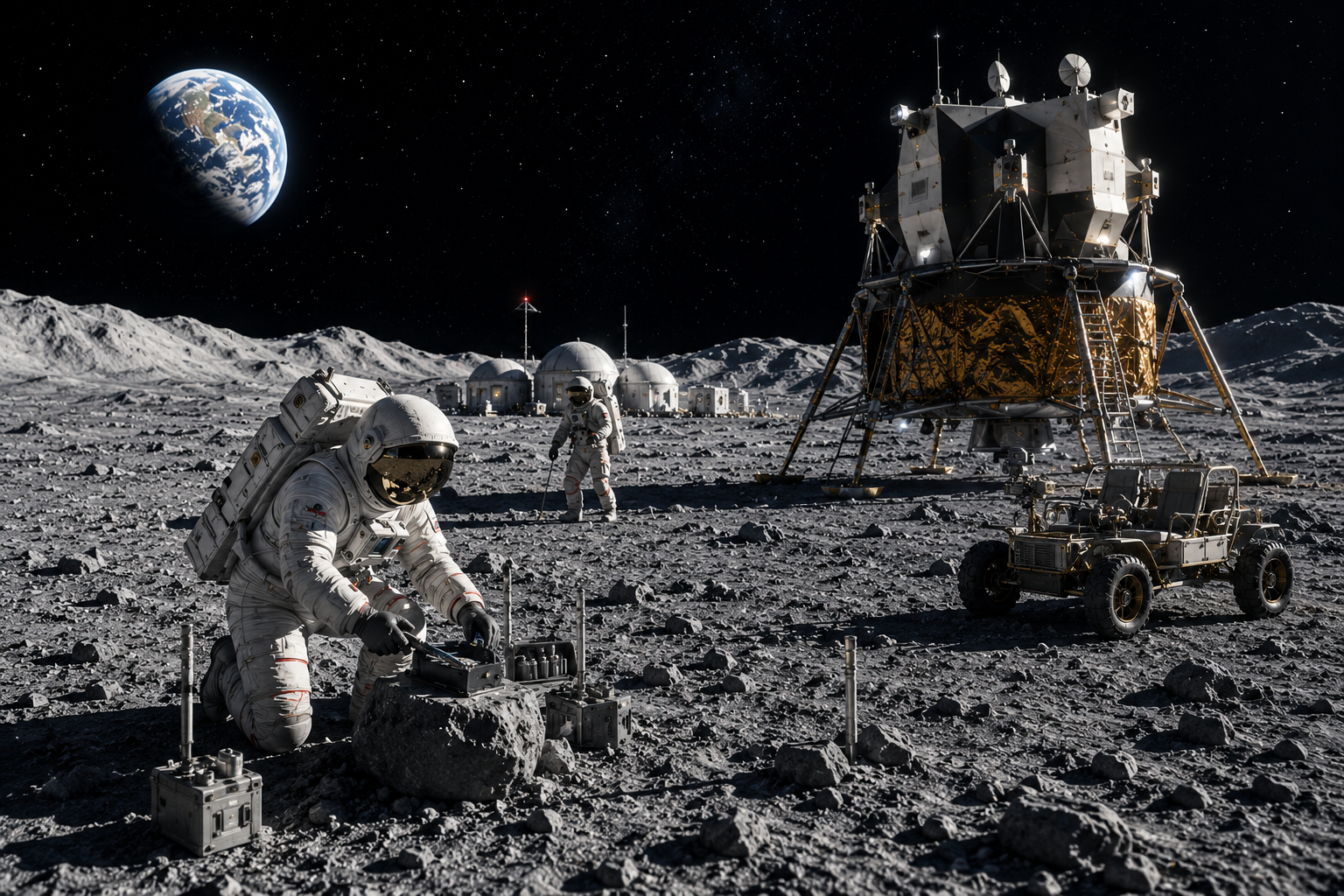
Under the Artemis program, NASA is working to build a long-term human presence around and on the Moon. The goal is not simply to repeat the Apollo-era achievement of landing astronauts on the lunar surface, but to develop the systems, partnerships, vehicles, habitats, spacesuits, rovers, and operational experience needed for humans to live and work away from Earth for extended periods.
The latest Artemis roadmap shows how complex this future has become. NASA’s Artemis III mission, once widely discussed as the next crewed lunar landing, is now being shaped as a low-Earth-orbit demonstration mission. NASA says Artemis III will test rendezvous and docking capabilities between the Orion spacecraft and commercial lunar landers from SpaceX and Blue Origin.
This change may sound technical, but it is extremely important. Before astronauts can safely land on the Moon again, NASA must prove that Orion can work smoothly with future lunar lander systems. These operations will be essential for later missions where astronauts travel from lunar orbit down to the Moon’s surface and return safely.
Why Artemis III Matters Even Without a Moon Landing
Many people may assume that a Moon mission must include astronauts walking on the lunar surface. But Artemis III’s updated role shows that space exploration is not only about dramatic landings. It is also about testing the hidden systems that make those landings possible.
Docking, rendezvous, crew transfer, life-support performance, mission duration, spacecraft communication, and emergency procedures must all work with extreme precision. A small technical failure in space can become life-threatening. That is why Artemis III is expected to act as a major proving ground before NASA attempts the next major lunar surface mission.
NASA’s official Artemis III page states that the mission will launch astronauts in Orion aboard the Space Launch System rocket and test docking capabilities with commercial spacecraft required for future Moon landings.
This step is similar to building the foundation before constructing a house. The public may see the final Moon landing as the major event, but the mission rehearsals, docking tests, lander development, and crew-safety checks are what make long-term space living possible.
Artemis IV and the Return to the Lunar Surface
NASA’s Artemis IV mission is now expected to carry the next major lunar surface goal. According to NASA, Artemis IV astronauts will travel to lunar orbit, where two crew members are planned to descend to the lunar surface and spend about a week near the Moon’s South Pole conducting science before returning to lunar orbit.
The Moon’s South Pole is especially important because scientists believe permanently shadowed regions may contain water ice. If usable water can be accessed, it could support drinking water, oxygen production, and possibly rocket fuel in the future. This would make the Moon more than a destination. It could become a staging ground for deeper space missions.
A future lunar base would need reliable power, radiation protection, communication systems, habitat modules, mobility vehicles, medical support, and ways to use local resources. Each Artemis mission is designed to test one part of this larger puzzle.
How Moon Missions Could Shape Future Space Colonies
Human colonies in space will not appear suddenly. They will grow from repeated missions, tested technologies, international cooperation, and private-sector participation. NASA’s Artemis program is one of the most important early steps in this direction.
A long-term Moon presence could help scientists understand how humans live in low gravity, how equipment survives extreme temperature changes, and how astronauts can remain healthy during extended missions. Lessons learned on the Moon could later support Mars missions, where astronauts would face longer travel times, greater isolation, and more complex survival challenges.
The Moon is also close enough to Earth to act as a testing ground. Communication delays are short compared to Mars, emergency returns are more realistic, and supplies can be delivered more easily. That makes the lunar surface a practical laboratory for future off-world living.
This is why NASA describes Artemis as part of a broader Moon-to-Mars strategy. The program includes commercial lunar payload deliveries, spacesuits, rovers, Gateway, human landing systems, and partnerships that support long-term exploration.
Readers interested in the deeper future of humanity beyond Earth can also explore our detailed space article on US Space Mission Enters Critical Phase — NASA Moves Closer to Next Human Deep Space Breakthrough
Private Companies Are Becoming Central to the Moon Plan
Another major difference between Apollo and Artemis is the role of private companies. NASA is working with SpaceX and Blue Origin on human landing systems, while other companies are involved in spacesuits, payload delivery, surface systems, and technology testing.
This shift could shape the future space economy. If private companies can develop reusable landers, lunar cargo services, surface mobility systems, and commercial infrastructure, the Moon may eventually support scientific bases, research stations, technology testing zones, and commercial activity.
It will not happen quickly, and it will not be easy. Space remains expensive, risky, and technically demanding. But Artemis is creating the early structure for a future where government agencies and private companies work together beyond Earth orbit.
The same trend is already visible in wider space activity, where private companies are supporting missions, launches, satellites, and research. We recently covered a related development in Elon Musk Reveals New Timeline for Human Mission to Mars as SpaceX Accelerates Starship Development.
Challenges Ahead
Despite the excitement, NASA’s Moon plans face serious challenges. Lunar landers must be tested, spacesuits must be safe and flexible, rockets must remain reliable, and mission costs must be controlled. Space missions also depend on political support, budget stability, technical readiness, and international coordination.
The updated Artemis III plan itself shows how difficult deep-space exploration can be. NASA is adjusting its approach to reduce risk and prepare more carefully before returning astronauts to the lunar surface. That may delay the most dramatic milestone, but it could improve the chances of long-term success.
For future human colonies, safety and sustainability will matter more than speed. A single successful landing is not enough. NASA must prove that astronauts can return repeatedly, work safely, survive harsh conditions, and build infrastructure that lasts.
The Bigger Picture
NASA’s next Moon mission could change the future of human colonies in space because it is testing the systems that future settlements will depend on. Artemis III may not be the Moon landing many expected, but it could become one of the most important preparation missions in the Artemis campaign.
If Artemis III successfully validates docking and crew-transfer operations, and Artemis IV moves astronauts back to the lunar surface, NASA will take another major step toward a permanent human presence beyond Earth.
The Moon may become humanity’s first real training ground for living away from home. From there, the dream of Mars missions, deep-space research stations, and future space colonies may become more realistic.
NASA’s next Moon mission is not only about where astronauts go next. It is about whether humans can learn to live, work, and build a future beyond Earth.
Source: NASA — Artemis III Mission
Read More: Latest News
Read More Interesting Content in My Blog Section of ‘The Thrive Journey’.