



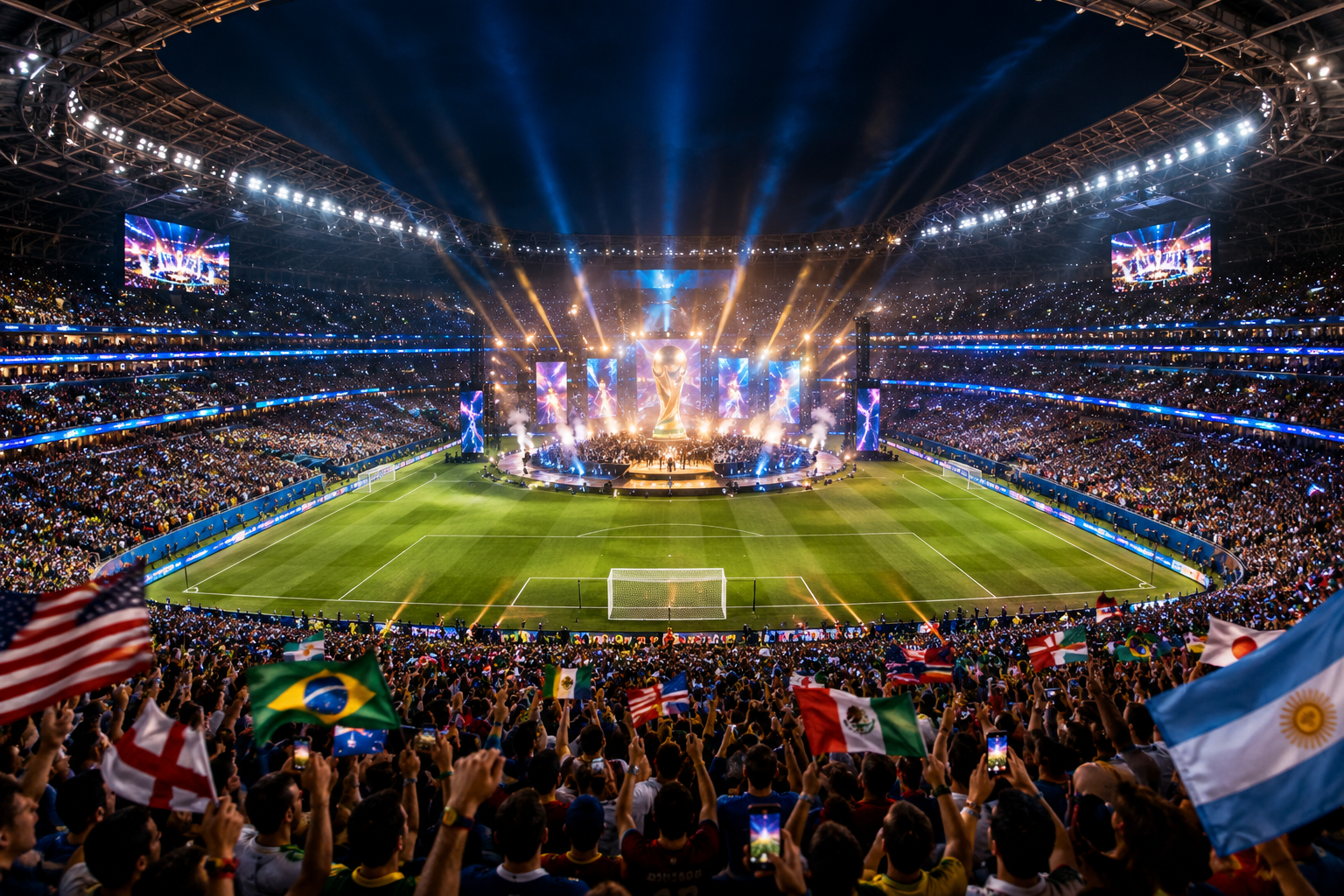
The FIFA World Cup 2026 final is set to introduce a historic first: a dedicated halftime show during football’s biggest match.
Madonna, Shakira and BTS have been announced as the headline performers for the event at New York New Jersey Stadium on July 19, 2026.
The show will be produced by Global Citizen and curated by Coldplay’s Chris Martin, combining football, music and a global education-focused purpose.
For fans, it marks a major cultural shift in how FIFA plans to present the World Cup final to a worldwide audience.
FIFA Plans a New Kind of World Cup Final Experience
The FIFA World Cup has always been more than a football tournament. It is a global gathering, a cultural moment, and often one of the most-watched sporting events on the planet. But the 2026 edition is now preparing to add something completely new to the final: a major halftime show featuring global music icons Madonna, Shakira and BTS.
The event will take place during the FIFA World Cup 2026 final at New York New Jersey Stadium on July 19, 2026. FIFA and Global Citizen have confirmed that this will be the first-ever halftime show in the history of a FIFA World Cup final, making it a significant change in how the biggest match in football will be presented to global audiences.
For decades, World Cup finals have been defined by football purity: national anthems, tactical battles, emotional goals, and post-match celebrations. The introduction of a halftime show brings the event closer to the entertainment style of major American sporting spectacles, especially the Super Bowl. However, FIFA appears to be shaping the concept with a global identity rather than simply copying another model.
Why This Halftime Show Is a Historic Move
The 2026 World Cup will already be historic because it will be hosted across the United States, Canada and Mexico, and it will feature an expanded 48-team format. The final itself is expected to attract massive worldwide attention. By adding a halftime show, FIFA is trying to turn the final into an even larger cultural event.
According to the FIFA and Global Citizen announcement on the World Cup 2026 Final Halftime Show, the performance will bring together sport, culture and purpose on the same stage. The event is connected to the FIFA Global Citizen Education Fund, which focuses on improving access to quality education and football for children around the world.
This gives the show a broader meaning beyond entertainment. FIFA is not only trying to create a music spectacle; it is also linking the world’s biggest football stage with a social-impact message. That approach may help the halftime show feel more aligned with the global nature of the World Cup.
Madonna, Shakira and BTS Bring Global Reach
The performer lineup is designed for worldwide attention. Madonna brings decades of global pop influence. Shakira already has a deep connection with football fans because of her past World Cup-related music and global appeal. BTS adds one of the largest fan communities in modern music, especially among younger audiences.
Reuters reported that Madonna, BTS and Shakira will headline the first World Cup final halftime show, with Coldplay’s Chris Martin involved in curating the event. This combination gives FIFA access to different generations, languages and fan communities.
For football, this matters because the World Cup is not only watched by traditional sports fans. Many casual viewers tune in for national pride, global drama and cultural celebration. A halftime show featuring artists with such wide global reach could attract additional viewers and online attention, especially from younger audiences who follow music and football together through social media.
Football Purists May Have Mixed Reactions
While many fans may welcome the spectacle, the decision may also create debate. Football traditionally has a shorter halftime break than American football, and many supporters prefer analysis, tactical discussion and quick preparation for the second half. A large entertainment segment could raise questions about timing, match rhythm and whether the focus should remain only on football.
This is why FIFA will need to balance the show carefully. If the halftime segment feels too long or disrupts the match flow, some fans may criticize it. But if it is tightly produced, emotionally powerful and respectful of football tradition, it could become a memorable part of the 2026 final.
The challenge is simple: the final must remain a football-first event. The halftime show should enhance the global celebration without overshadowing the players, the teams and the trophy itself.
A Bigger Shift in Global Sports Entertainment
The FIFA World Cup final halftime show also reflects a bigger trend in modern sports. Major tournaments are no longer only about the match. They are also about broadcast value, social media moments, sponsor visibility, fan engagement and cultural storytelling.
The 2026 World Cup will be especially important because it is being hosted in North America, where sports and entertainment are often blended at a very high level. FIFA’s decision shows that football’s global governing body is willing to experiment with presentation style while keeping the World Cup’s traditional emotional power.
For readers following how major sports events are evolving, this development connects with a wider shift in live entertainment and global fan culture. On our news website, we recently covered another major sports storyline around MS Dhoni’s silent IPL 2026 season and what it means for fans and the future of CSK.
There is also a strong mental-performance angle in global sport. Whether it is football, cricket or any high-pressure final, athletes must handle noise, expectation and emotional intensity. For readers interested in the science of calmness under pressure, this related feature explains how rhythmic breathing may help control anxiety and improve focus.
What This Means for Fans
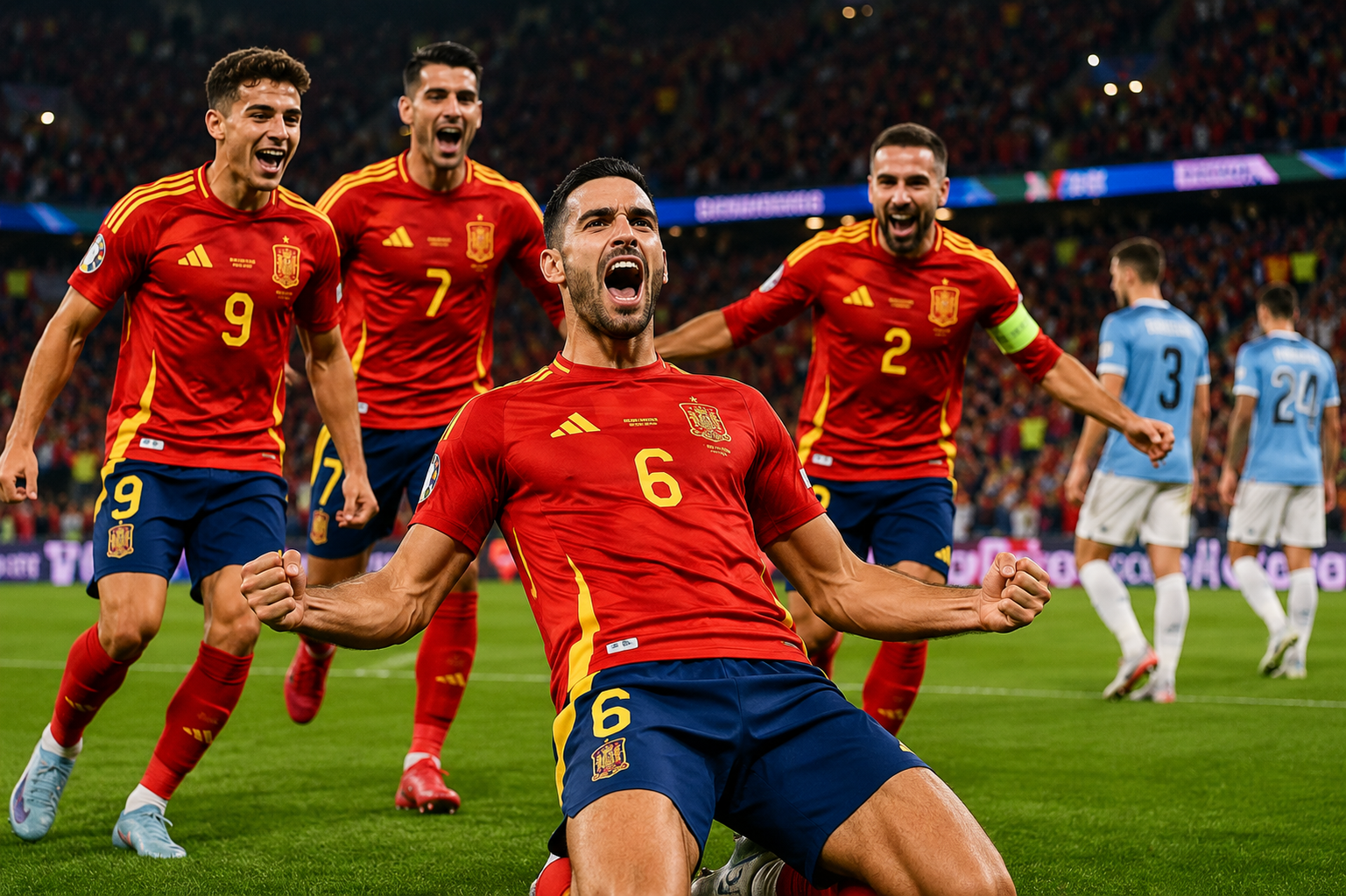
For fans, the 2026 final may feel different from any previous World Cup final. The match will still be the main attraction, but the halftime show could create an additional global moment watched and discussed across countries, platforms and fan communities.
If successful, this could become a regular part of future World Cup finals. If it faces criticism, FIFA may need to adjust the format. Either way, the 2026 final is now set to become a test case for how far football can blend tradition with modern entertainment.
The most important point is that FIFA is trying to make the World Cup final not only a match but a global cultural event. With Madonna, Shakira and BTS attached to the first-ever final halftime show, the 2026 edition is already shaping up to be one of the most talked-about tournaments in football history.
Source: FIFA and Global Citizen announcement on the World Cup 2026 Final Halftime Show
Read More: Latest News
Read More Interesting Content in My Blog Section of ‘The Thrive Journey’.