









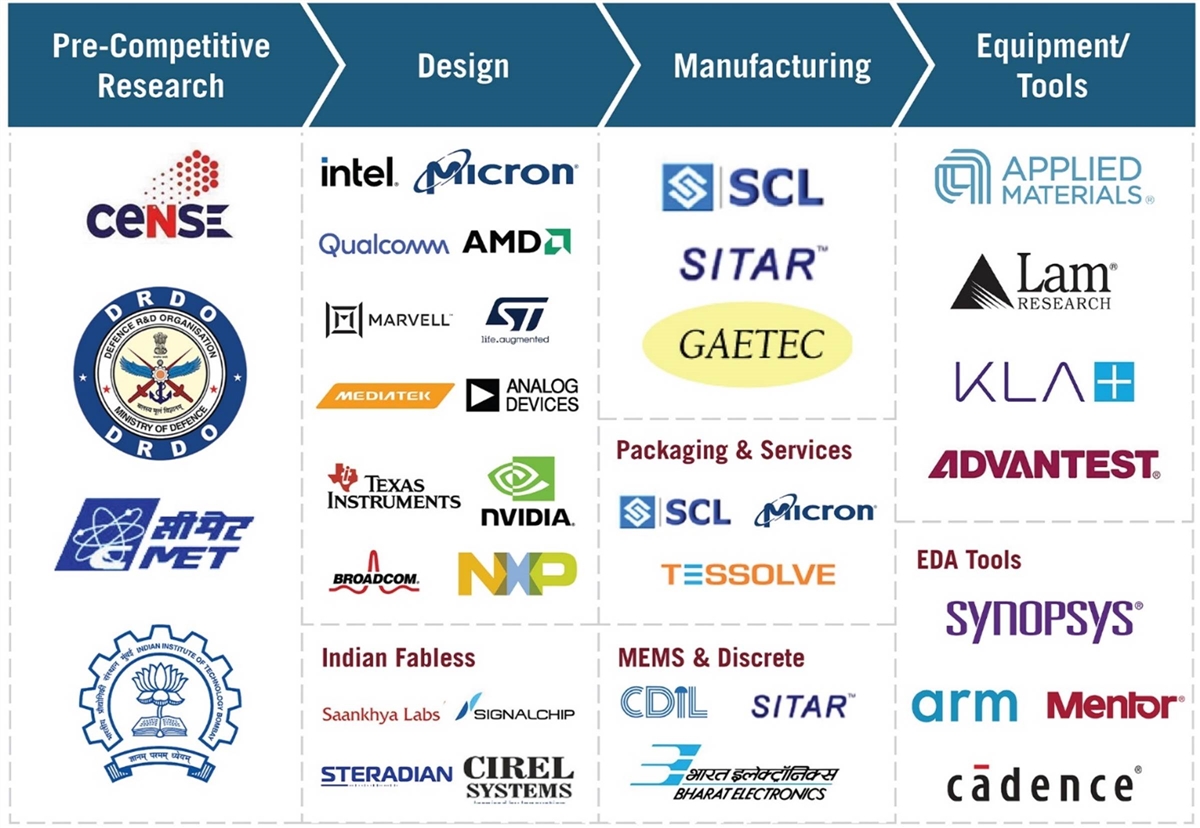
India’s ambition to become a global semiconductor manufacturing hub is gaining momentum as multiple chip fabrication and packaging projects move into advanced planning and execution stages. Backed by strong policy support and incentives, the country is positioning itself as a reliable alternative in the global semiconductor supply chain.
The government’s semiconductor mission has attracted interest from both domestic conglomerates and international technology partners. Several projects are focusing not only on chip fabrication units but also on assembly, testing, marking, and packaging (ATMP) facilities—critical components of a resilient semiconductor ecosystem.
Industry experts say this push is driven by rising domestic demand for electronics, electric vehicles, telecom equipment, and data centers. Reducing dependence on imports and strengthening supply-chain security have become strategic priorities amid global geopolitical uncertainties
In parallel, India is investing in skill development, research collaboration, and infrastructure to support advanced manufacturing. States are competing to offer land, power, and logistics support to attract semiconductor investments, signaling long-term commitment beyond policy announcements.
While challenges such as high capital costs and technology complexity remain, analysts believe India’s focused approach and growing market size could make it a significant player in the global semiconductor landscape over the next decade.