






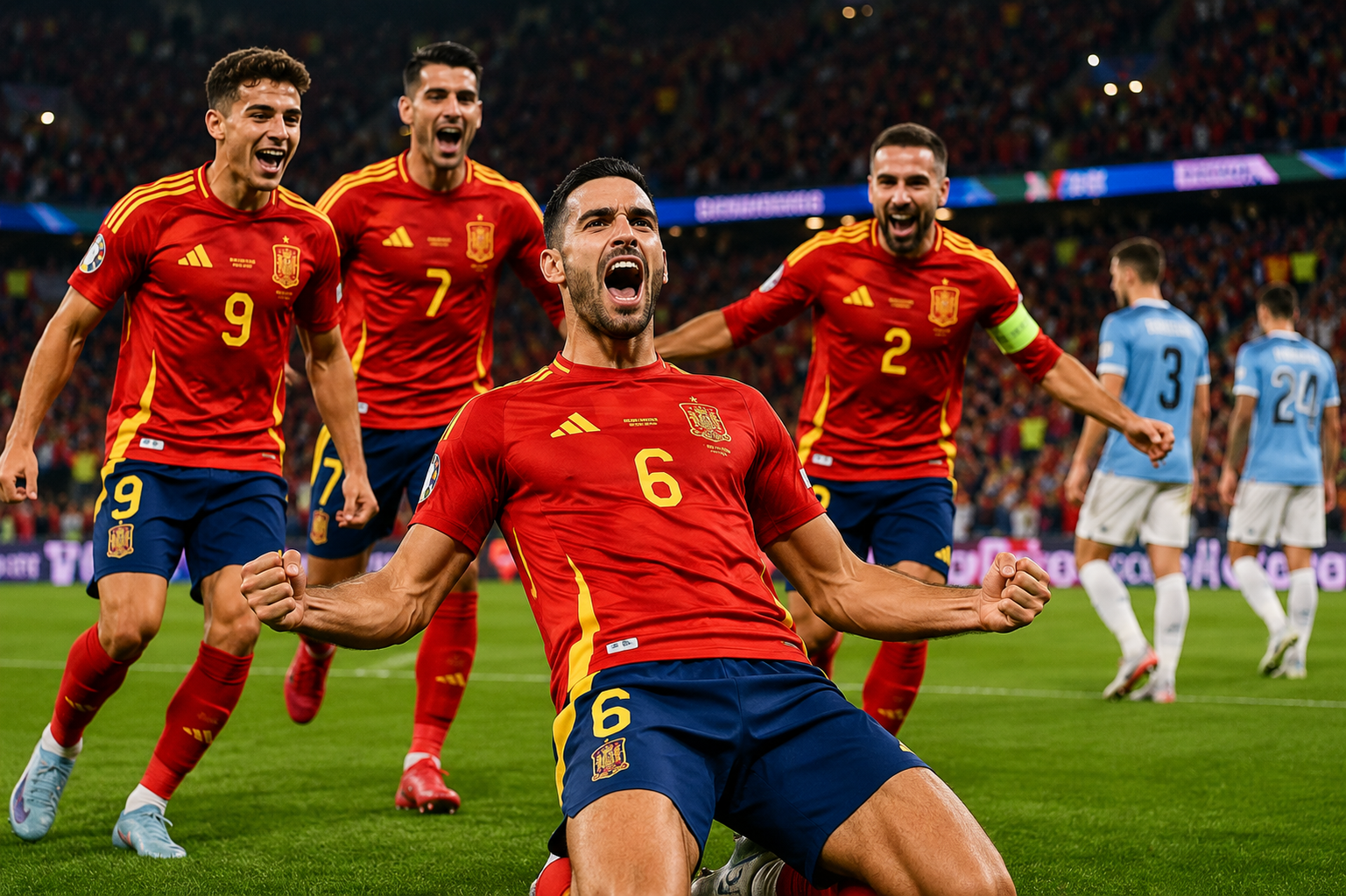
Spain have secured a place in the FIFA World Cup 2026 semi-finals after defeating Belgium 2-1 in a dramatic quarter-final in Los Angeles. Fabián Ruiz opened the scoring before Charles De Ketelaere brought Belgium level. With the match approaching extra time, substitute Mikel Merino struck the decisive goal, becoming Spain’s knockout-stage hero for the second consecutive match. Spain will now face France for a place in the World Cup final.
Spain vs Belgium: Match at a Glance
| Match detail | Information |
|---|---|
| Competition | FIFA World Cup 2026 quarter-final |
| Result | Spain 2-1 Belgium |
| Spain scorers | Fabián Ruiz, Mikel Merino |
| Belgium scorer | Charles De Ketelaere |
| Venue | Los Angeles Stadium |
| Key moment | Merino’s late winning goal |
| Spain’s next opponent | France |
| Next stage | FIFA World Cup semi-final |
| Belgium’s status | Eliminated |
Spain entered the quarter-final as one of the tournament’s strongest teams, but Belgium arrived with enough experienced attacking talent to make the contest unpredictable.
The Spanish side controlled possession, moved the ball quickly and created the greater number of scoring opportunities. Belgium, however, remained dangerous whenever they escaped Spain’s pressure and moved forward through their experienced attackers.
Fabián Ruiz gave Spain the breakthrough in the first half after Dani Olmo’s effort created an opportunity inside the Belgian penalty area. Ruiz reacted quickly and converted the chance, rewarding Spain for their early dominance.
Belgium refused to surrender. Charles De Ketelaere produced the equaliser, ending Spain goalkeeper Unai Simón’s long run without conceding during the tournament and bringing Belgium back into the contest.
Mikel Merino Becomes Spain’s Knockout-Stage Hero
The decisive moment arrived after Spain coach Luis de la Fuente introduced Mikel Merino from the bench.
Belgium had already suffered a significant setback when goalkeeper Thibaut Courtois was forced to leave the match because of an injury. Substitute goalkeeper Senne Lammens entered during one of the most pressurised periods of Belgium’s World Cup campaign.
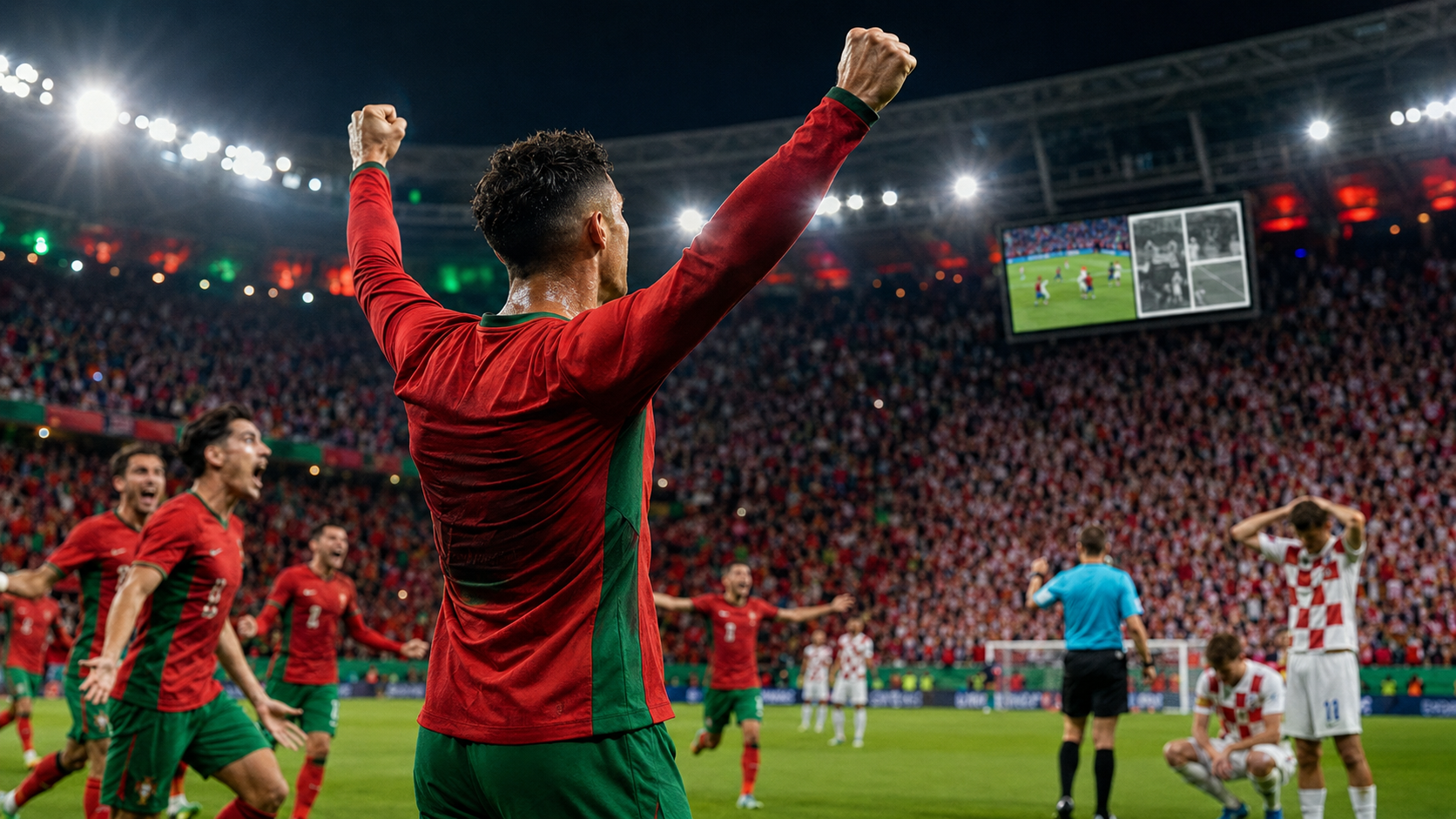
In the closing stages, Lammens failed to hold a long-range effort from Pau Cubarsí. Merino immediately reacted to the loose ball and scored the winner, sending the Spanish players and supporters into celebration.
It was another extraordinary contribution from the midfielder, who had also come off the bench to score Spain’s late winner against Portugal in the Round of 16. His goal against Portugal ended Cristiano Ronaldo’s final World Cup campaign and carried Spain into the quarter-finals.
Merino has now scored decisive late goals as a substitute in two successive knockout matches. According to Reuters, he became the first player in World Cup history to register late winning goals from the bench in two separate knockout-stage games.
His impact demonstrates the depth available to Spain. Even when the starting attack cannot find the decisive goal, De la Fuente can introduce experienced players capable of changing a match within minutes.
Football fans following Spain’s journey can also revisit our earlier coverage of how FIFA World Cup 2026 fever began spreading worldwide before the competition developed into its dramatic knockout phase.
Why Spain Defeated Belgium
Spain finished the match with 17 attempts compared with Belgium’s five, reflecting their greater control and attacking pressure. Lamine Yamal repeatedly challenged Belgium’s defence, while Rodri helped Spain dominate the midfield and control the rhythm of the game.
Belgium also had to manage several physical problems. Captain Youri Tielemans and midfielder Amadou Onana were affected by injuries, while the loss of Courtois created an unexpected change in goal at a critical moment.
Despite those difficulties, Belgium remained competitive. De Ketelaere’s equaliser briefly changed the momentum and raised the possibility of extra time. Their defence resisted several Spanish attacks, and Courtois had made important saves before being substituted.
Spain’s patience ultimately made the difference. Rather than abandoning their passing style when Belgium equalised, they continued moving the ball, creating chances and placing the Belgian defence under pressure.
Merino’s repeated ability to remain prepared despite starting on the bench also reflects the importance of consistency and disciplined preparation. The same principle is explored in The Science of Habit Formation, where small repeated actions are shown to create powerful long-term results.
Spain vs France: A Blockbuster Semi-Final Awaits
Spain will now face France in Dallas in one of the most eagerly anticipated matches of the tournament.
The semi-final will bring together two teams with different strengths. Spain have relied on possession, disciplined defending and contributions from across their squad. France will present a major attacking challenge and have the individual quality to punish even small defensive mistakes.
Spain are attempting to win their second men’s World Cup after lifting the trophy in 2010. Their victory over Belgium has taken them to their first World Cup semi-final since that championship-winning campaign.
For Belgium, the defeat ends a campaign that included encouraging performances and an impressive knockout victory over the United States. However, injuries and one costly goalkeeping mistake proved decisive against one of the tournament favourites.
Spain are now only two victories away from becoming world champions again. Their journey has already included narrow matches, defensive resilience and two unforgettable late goals from Merino.
The question ahead of the semi-final is whether Spain’s controlled team structure can overcome France’s power and attacking threat. Whatever happens next, Merino has already written his name into FIFA World Cup history as the substitute who twice appeared at exactly the right moment.
Source: Reuters: Merino strike sends Spain past Belgium into World Cup semi-finals
Read More: Latest News
Read More Interesting Content in My Blog Section of ‘The Thrive Journey’.