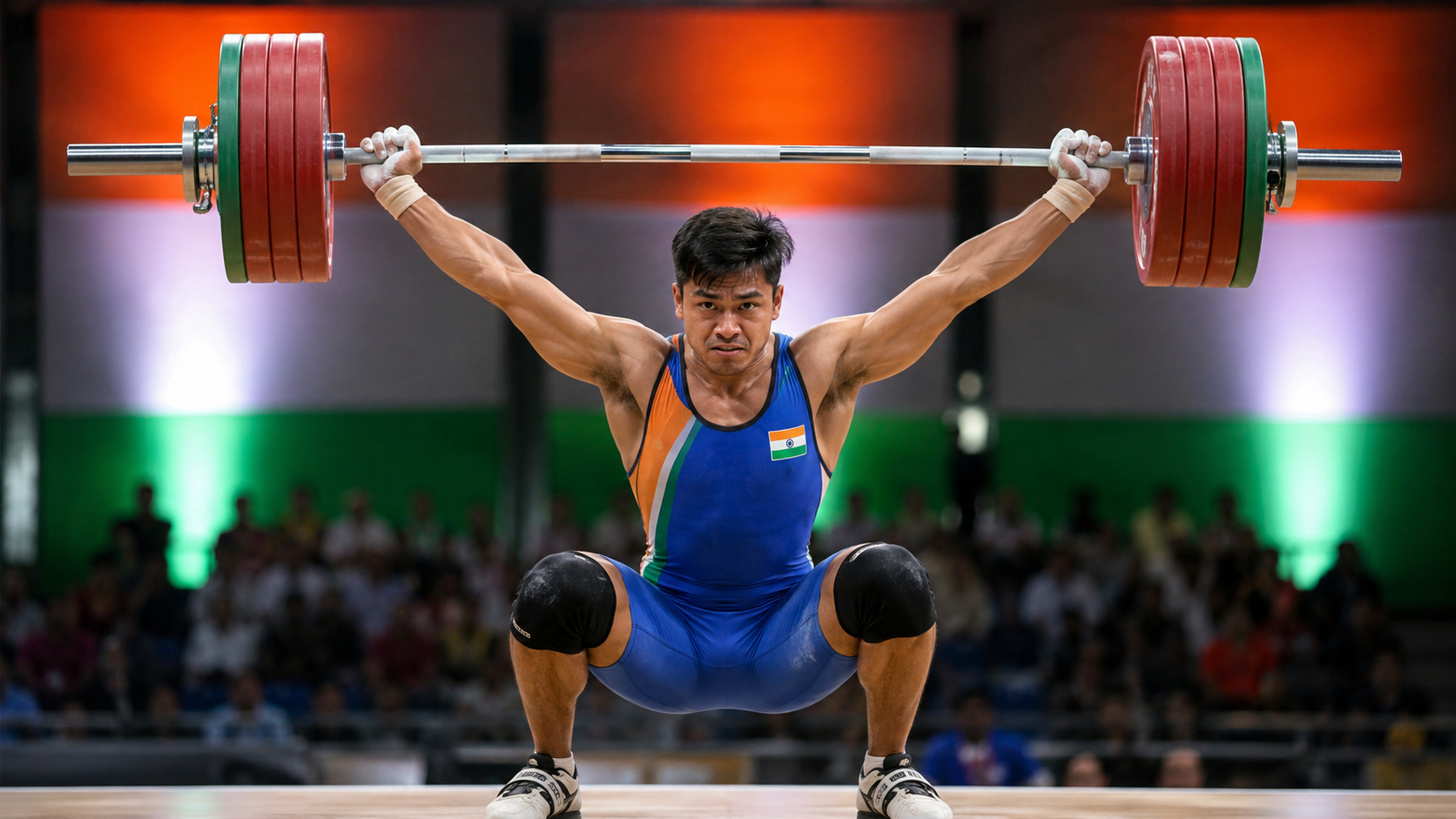









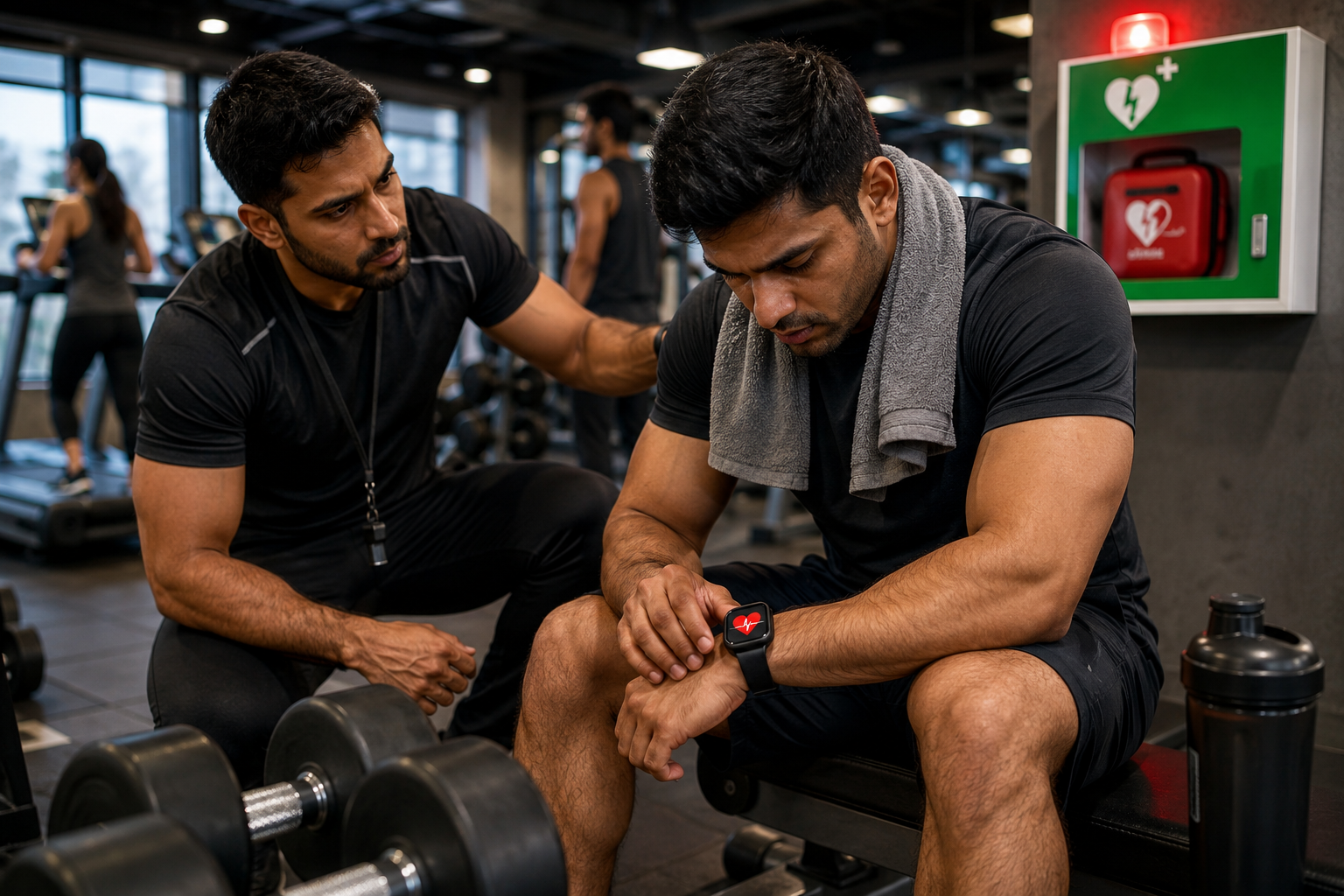
A recent gym-related death has again raised concern about sudden cardiac events among young and physically active people.
The case involved a 26-year-old national-level bodybuilder in Karnataka who reportedly died after a workout, with cardiac arrest suspected preliminarily.
Doctors often warn that visible fitness does not always mean the heart is completely safe.
Here is what gym-goers, trainers and families should understand about warning signs, safe workouts and emergency preparedness.
A person can look strong, muscular and disciplined from the outside — and still carry a silent health risk inside. That uncomfortable truth has returned to public discussion after another gym-related death raised questions about heart safety among young and fit people.
According to recent reports, a 26-year-old national-level bodybuilder from Karnataka died after completing a workout, with cardiac arrest suspected as the preliminary cause. The case has shocked fitness followers because it involved someone young, active and apparently physically trained.
But this is exactly why the conversation matters. Heart health is not always visible from body shape, gym performance, muscle size or stamina. A person may lift heavy weights, run on a treadmill and follow a strict diet, but still have hidden risk factors such as high blood pressure, cholesterol issues, inherited heart rhythm problems, structural heart conditions, stress, dehydration or stimulant overuse.
This does not mean exercise is dangerous. Exercise is one of the best things for long-term health. The real message is different: fitness should be smart, gradual and medically aware — not only intense.
Why Fit People Can Still Face Sudden Heart Trouble
Many people assume that only overweight or inactive people face heart risk. That is not true. Physical fitness reduces risk, but it does not remove risk completely.
A young gym-goer may still face danger due to undetected heart conditions, family history, extreme exertion, dehydration, poor sleep, smoking, high caffeine or stimulant intake, performance-enhancing substances, or sudden return to heavy training after a long break.
Some cardiac problems remain silent until the body is under high stress. A heavy workout increases heart rate, blood pressure and oxygen demand. For most healthy people, this is normal and beneficial. But for someone with an undiagnosed heart issue, extreme exertion can become risky.
This is why cardiologists often advise that people with symptoms, family history or high-risk lifestyle factors should not ignore screening. Basic checks like blood pressure, lipid profile, blood sugar, ECG and doctor-guided evaluation can help identify risk early.
For readers interested in long-term lifestyle balance, our related guide on The Science of Habit Formation: How Small Daily Actions Shape Your Life explains why health is built through consistent daily routines, not extreme one-day effort.
Gym Heart Risk: Warning Signs People Should Not Ignore
Here is a simple table for readers who want useful information in one place.
| Warning Sign During or After Workout | Why It Matters | What To Do |
|---|---|---|
| Chest pain, tightness or pressure | Can be a heart-related warning sign | Stop exercise and seek urgent medical help |
| Shortness of breath beyond normal exertion | May indicate heart or lung stress | Stop immediately and rest; consult a doctor |
| Dizziness or fainting | Can signal blood pressure, rhythm or cardiac problem | Do not continue workout; get medical evaluation |
| Sudden collapse | Possible cardiac arrest or serious emergency | Call emergency services, start CPR if trained, use AED if available |
| Palpitations or irregular heartbeat | May suggest rhythm disturbance | Stop workout and consult a doctor |
| Cold sweat, nausea or unusual fatigue | Can be subtle heart warning signs | Do not dismiss; seek medical advice |
| Pain spreading to arm, jaw, back or shoulder | Can be linked to heart attack symptoms | Treat as urgent and get emergency help |
The most dangerous mistake is “pushing through” symptoms. Gym culture often celebrates toughness, but heart symptoms are not a test of willpower. If the body sends a serious warning, stopping is strength — not weakness.
What Gyms Should Have for Emergency Safety
Gym safety is not only the responsibility of the person exercising. Fitness centres also need better emergency preparedness.
Here is a practical safety checklist:
| Gym Safety Requirement | Why It Is Important |
| CPR-trained staff | Early CPR can save lives during sudden cardiac arrest |
| AED machine | An automated external defibrillator can help restart normal heart rhythm |
| Emergency contact system | Staff should know whom to call and how to act quickly |
| Health declaration form | Helps identify people with known risks |
| Trainer supervision | Reduces unsafe lifting and overexertion |
| Hydration access | Helps prevent dehydration-related stress |
| Clear workout progression | Beginners should not jump into extreme routines |
| No supplement pressure | People should not be pushed toward unsafe stimulants or substances |
| Incident response drill | Staff should practice what to do during collapse or injury |
Many Indian gyms focus heavily on equipment and body transformation. But emergency readiness should become part of gym quality too. A gym with modern machines but no CPR awareness or AED access is incomplete.
Readers can also check our earlier post on IMD Rain Alert: 17 States Face Travel Trouble, where we highlighted how practical safety information can help people avoid preventable risks in daily life.
What Gym-Goers Should Do Before Heavy Training
Anyone starting or restarting fitness should follow a gradual approach. The biggest risk often comes when people suddenly push too hard after a long break.
Here is a simple safe workout approach:
| Situation | Safer Approach |
| Starting gym after months of inactivity | Begin with light cardio, mobility and moderate weights |
| Returning after fever, COVID-like illness or infection | Take medical advice before intense training |
| Family history of early heart disease | Get preventive screening before heavy training |
| Using pre-workout or high caffeine | Avoid excessive stimulants, especially with palpitations |
| Poor sleep or high stress | Reduce intensity instead of forcing maximum workout |
| Chest pain or dizziness during exercise | Stop immediately and seek medical help |
| Heavy lifting goals | Build strength progressively under trained supervision |
People should also avoid comparing themselves with influencers. Online fitness videos often show the final performance, not the health screening, recovery plan, nutrition discipline or medical history behind it.
Heart Attack and Cardiac Arrest Are Not the Same
Many people use “heart attack” and “cardiac arrest” as if they mean the same thing. They are related but different.
A heart attack usually happens when blood flow to part of the heart is blocked. Sudden cardiac arrest happens when the heart suddenly stops beating properly due to an electrical problem. A heart attack can sometimes lead to cardiac arrest, but they are not identical.
This distinction matters because response matters. In sudden collapse, every minute counts. If someone collapses and is not breathing normally, people nearby should call emergency services immediately, start CPR if trained and use an AED if available.
In India, many gyms still do not have AED machines, and many staff members are not trained in CPR. That needs to change. Fitness spaces should not only build bodies; they should also be ready to save lives.
Source: Times of India
Read More: Latest News
Read More Interesting Content in My Blog Section of ‘The Thrive Journey’.