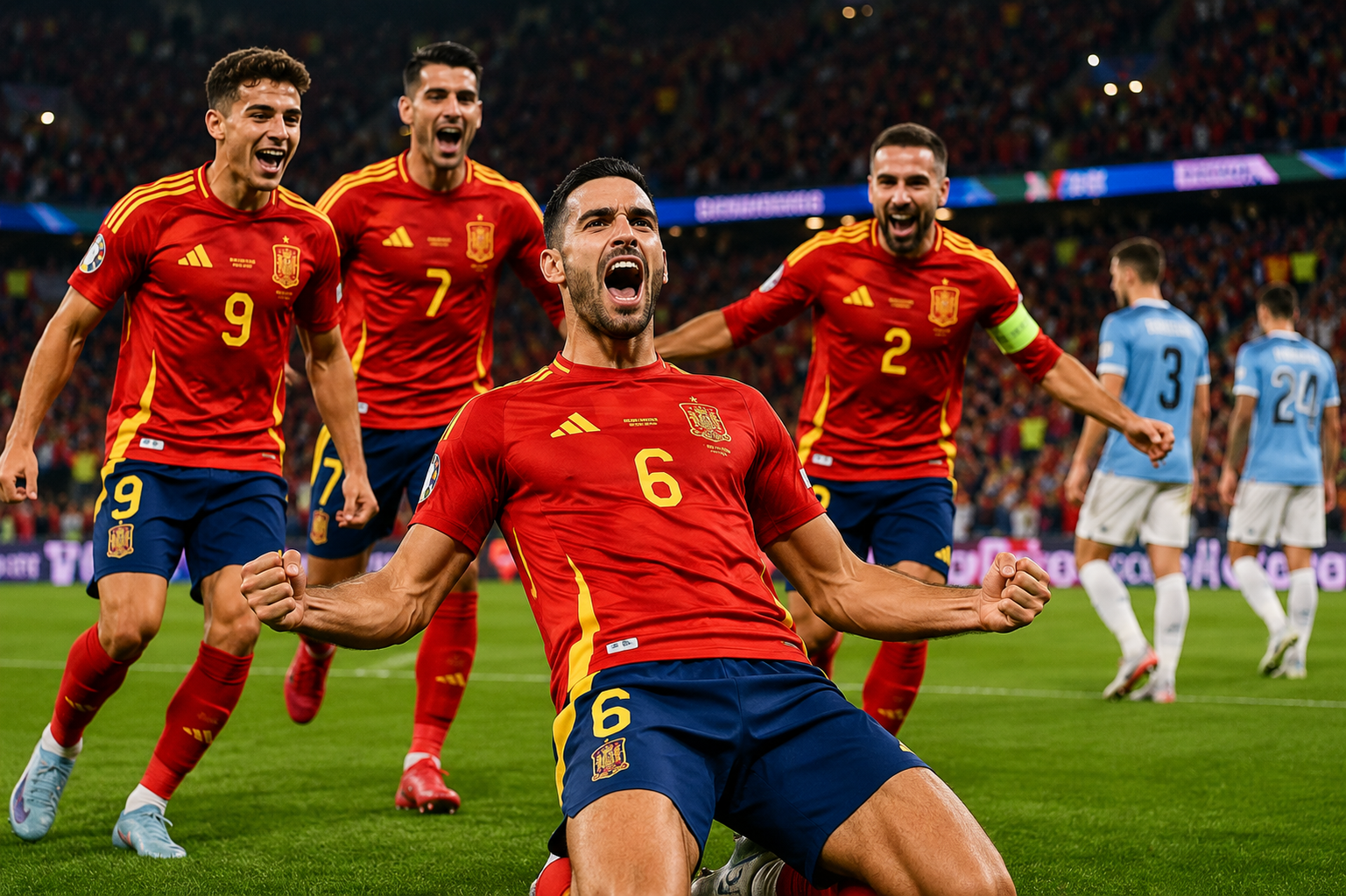




FIFA World Cup 2026 has introduced the biggest format change in tournament history.
For the first time, 48 teams are competing across 104 matches, making the event larger, longer and more unpredictable.
The biggest twist is that even some third-place teams can qualify for the knockout round.
This new system is making every goal, every card and every final group-stage minute more important than ever.
The FIFA World Cup 2026 is not just bigger in size — it is bigger in drama, strategy and uncertainty. For decades, football fans were familiar with the classic 32-team format, where teams were divided into eight groups and the top two from each group moved into the knockout stage. But 2026 has changed that familiar rhythm completely.
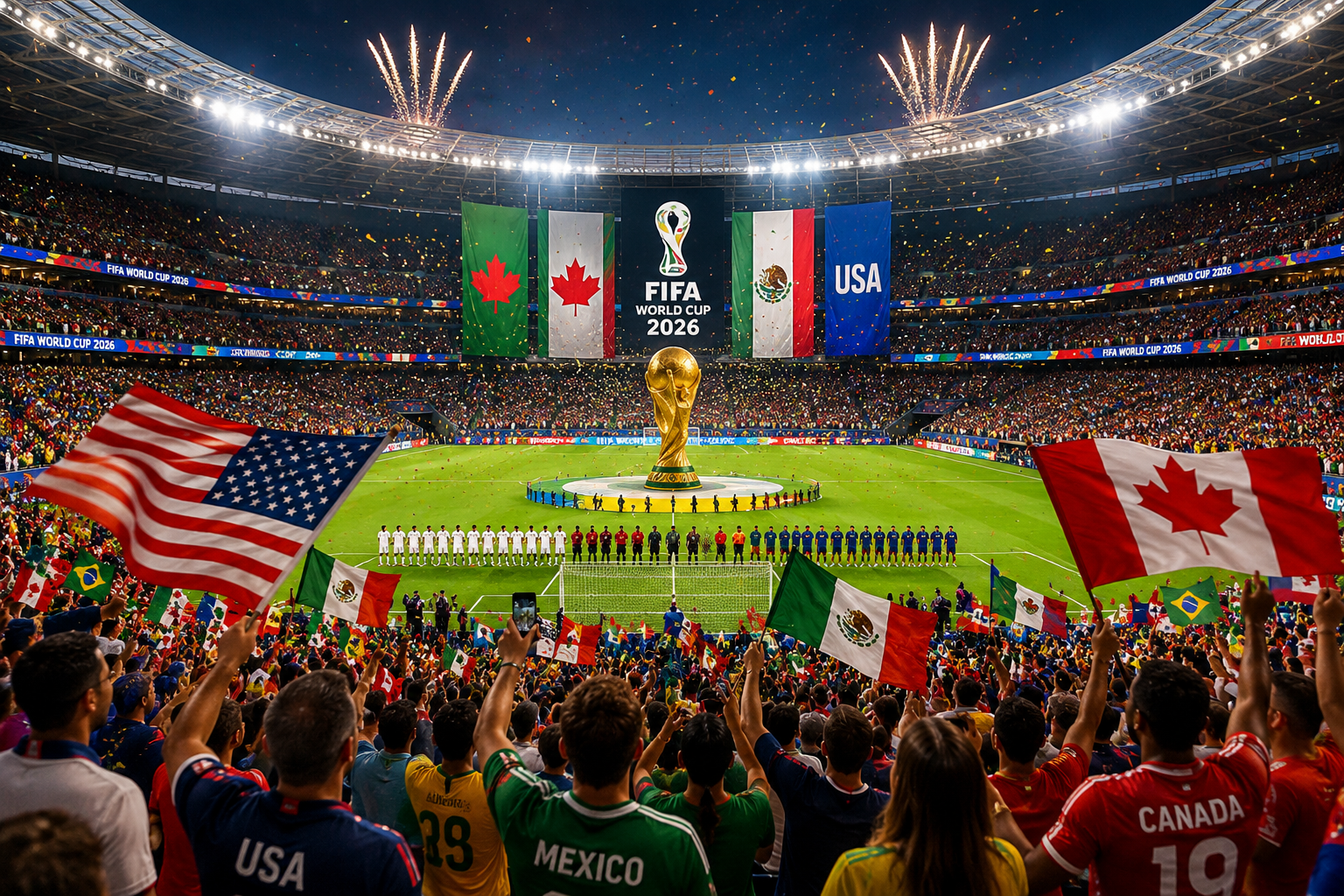
This edition features 48 teams and 104 matches, making it the largest FIFA World Cup ever held. The tournament is being hosted across the United States, Canada and Mexico, turning North America into the center of world football. FIFA’s official tournament page confirms the expanded scale of the event, with 48 teams competing across 104 fixtures.
But the most interesting part of this new format is not only the number of teams. It is the way teams can survive the group stage. Under the new system, the top two teams from each of the 12 groups qualify directly for the Round of 32. Along with them, the eight best third-place teams also move forward. That means finishing third no longer means automatic elimination.
Why the New Format Changes Everything
The 48-team format has changed the emotional structure of the World Cup. Earlier, a team that lost one match in the group stage was immediately under huge pressure. Now, the tournament gives teams more room to recover — but also creates a more complicated qualification race.
A team may finish third in its group and still qualify if its points, goal difference, goals scored and disciplinary record are strong enough compared to third-place teams from other groups. This means fans cannot only look at their own group table anymore. They must also watch other groups, other results and even small details such as yellow cards.
This is exactly what makes the 2026 edition more unpredictable. A late goal in one match may not only affect two teams, but also change the future of a third-place team in another group. A yellow card in the final minutes may also matter if two teams are level on points and goal difference. According to current tournament explainers, third-place rankings are decided through performance factors like points, goal difference, goals scored and discipline-related criteria.
For casual viewers, this may look confusing at first. But for football fans, it creates a new layer of suspense. Every match now feels connected to the larger tournament picture.
Third-Place Teams Are Now Part of the Main Story
The biggest benefit of this format is that more countries get a meaningful chance to stay alive in the competition. Smaller football nations, debutants and underdog teams now have a stronger reason to fight until the final whistle.
Earlier, a narrow defeat against a football giant could almost end a team’s campaign. Now, even a close loss can be useful if the team protects its goal difference. A draw against a strong opponent can become priceless. Even scoring one extra goal in a losing match may help later when third-place teams are compared.
This makes group-stage football more tactical. Coaches may not simply chase a win blindly. Sometimes, avoiding a heavy defeat can be just as important. At the same time, teams that are already leading may still push for more goals because goal difference can influence future matchups and standings.
Fans who are following the wider World Cup excitement can also read our earlier coverage on World Cup 2026 Fever Begins Worldwide as Fans Turn Football’s Biggest Tournament Into a Global Festival, where we explained how the tournament has become a global celebration beyond the pitch.
More Matches, More Stories, More Pressure
With 104 matches, the World Cup 2026 gives fans more football than ever before. But it also creates a challenge: attention is spread across more teams, more cities and more storylines. For news websites, this is a major opportunity because readers will search for simple explanations of the new rules, qualification system, third-place table and knockout path.
This format also creates more emotional stories. A team that looked almost eliminated after two matches may suddenly come back into the qualification race. A third-place team may celebrate after a match it did not even play, simply because another result went in its favor. This kind of uncertainty is perfect for viral football coverage.
For young readers and students, the tournament is also a live example of how planning, pressure management and smart decision-making matter in real life. Just like teams must manage every match carefully, students also need strategy and consistency, something we have discussed in our guide on Best Study Plan for Students.
Why Fans Should Watch the Group Stage More Closely
In the old format, many fans only became fully serious when the knockout stage began. But in 2026, the group stage itself feels like a tournament within a tournament. The top two race is still important, but the third-place race adds another level of excitement.
This means fans should not ignore matches between lesser-known teams. A game that looks small on paper may decide which third-place team enters the Round of 32. For underdogs, every point can become historic. For big teams, one careless performance can create unexpected pressure.
The new FIFA World Cup format may take time for everyone to understand fully, but it has already achieved one thing: it has made the tournament feel wider, deeper and more unpredictable. In 2026, football is not only about who finishes first. It is also about who survives smartly enough to stay in the dream.
Source: FIFA World Cup 2026 official tournament details
Read More: Latest News
Read More Interesting Content in My Blog Section of ‘The Thrive Journey’.