








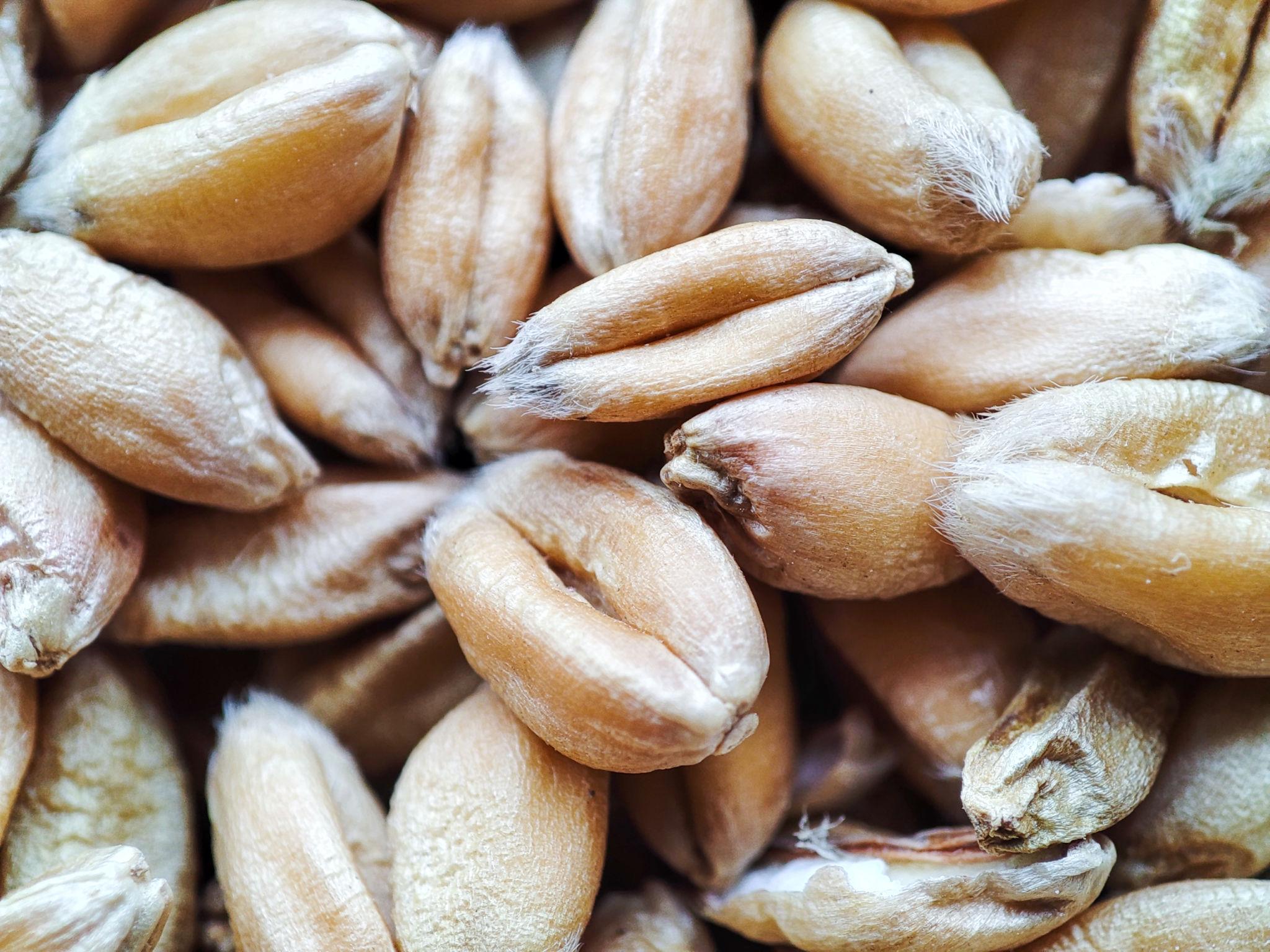
Global wheat prices are rising sharply as ongoing geopolitical conflicts disrupt supply chains. Experts warn that this could trigger a wider food crisis, affecting millions of people worldwide.
Conflict Impact Reaches Global Food Supply
The ongoing tensions in key regions are now affecting more than just energy markets—they are beginning to disrupt global food systems.
Wheat, one of the most essential staple crops, is witnessing a sharp price increase due to:
- Supply chain disruptions
- Rising transportation costs
- Export uncertainties from major producing regions
Countries that depend heavily on wheat imports are now facing growing concerns over food availability.
Wheat Prices See Sharp Increase
Recent market data indicates that wheat prices are heading toward their biggest jump in weeks, driven largely by uncertainty in global supply.
The reasons include:
- Reduced exports due to conflict zones
- Increased cost of fertilizers and fuel
- Hoarding behavior in some regions
This sudden surge is already affecting:
- Food manufacturers
- Retail prices
- Global inflation levels
Risk of a Larger Food Crisis
Experts are warning that this may not be a short-term issue.
If disruptions continue, the world could face:
- Food shortages in vulnerable regions
- Increased hunger and malnutrition
- Economic pressure on developing countries
According to United Nations, global food systems are highly sensitive to geopolitical disruptions, especially when major agricultural supply chains are involved.
Impact on Everyday Life
The effect of rising wheat prices is not limited to markets—it directly impacts daily life.
People may start noticing:
- Higher prices of bread, flour, and basic food items
- Increased grocery bills
- Reduced availability of essential commodities
For countries like India, which balance both domestic production and imports, price fluctuations can quickly affect consumers.
The rising food crisis is closely linked to ongoing global tensions. You can also read our coverage on global energy crisis due to Iran conflict disrupting oil supply, which explains how fuel disruptions are further intensifying supply chain challenges worldwide.
What Happens Next?
The situation remains uncertain.
Possible scenarios include:
- Stabilization if supply routes recover
- Further price surge if conflict escalates
- Government intervention to control food inflation
Global agencies are closely monitoring the situation to prevent a full-scale crisis.
Final Thoughts
The rising wheat prices are a clear signal that global conflicts are no longer isolated—they are affecting the very basics of human survival.
Food security is becoming a growing concern, and the coming months will determine how severe the situation becomes.
Source: The Guardian
Read More: Latest News
Read More Interesting Content in My Blog Section of ‘The Thrive Journey’.