




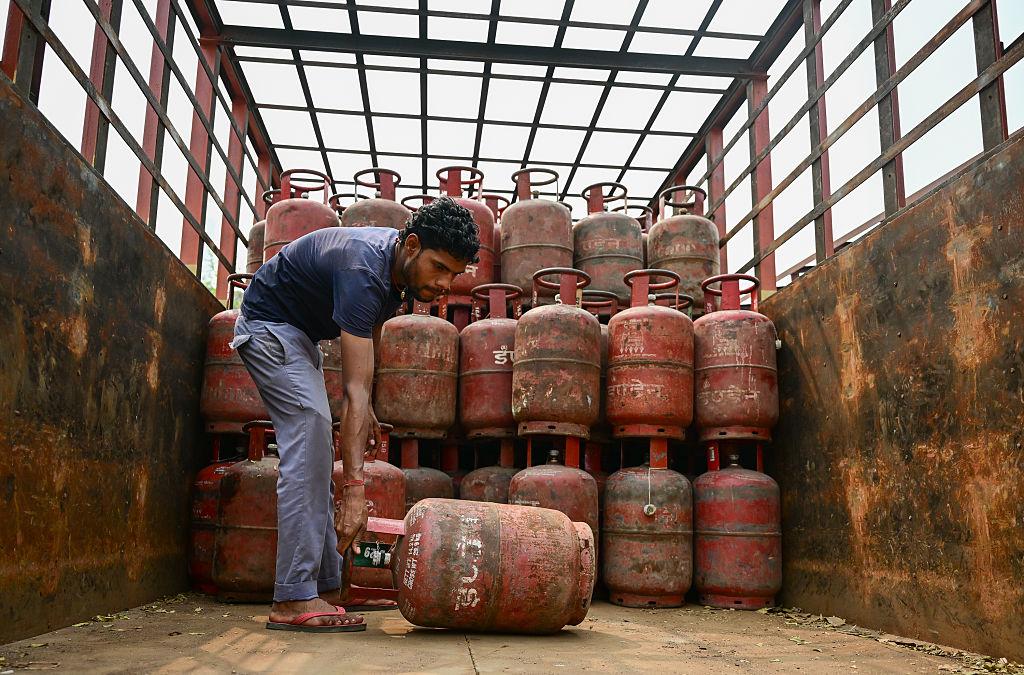
Concerns about the availability of LPG cooking gas cylinders are rising across several parts of India, with many households reporting delays in cylinder deliveries and long waiting times at gas distribution centers. The situation has drawn national attention as geopolitical tensions in West Asia continue to affect global energy supply chains.
Reports from multiple cities indicate that panic booking and supply disruptions have increased pressure on LPG distributors, causing temporary shortages in some areas. The issue is believed to be linked partly to the ongoing conflict involving Iran and other regional powers, which has raised fears of disruptions in key global energy routes.
Why LPG Supply Is Being Affected
India imports a significant portion of its cooking gas and crude oil requirements from international markets. A large share of these shipments passes through the Strait of Hormuz, one of the world’s most important energy transport routes.
With tensions escalating in the Middle East, shipping routes and energy supply chains have experienced uncertainty. Experts say that even small disruptions in global energy logistics can affect the availability of LPG cylinders in countries that depend heavily on imports.
In several cities, residents have reported delays in gas cylinder deliveries and increased waiting times for refill bookings. Long queues have also been seen outside LPG distribution centers as consumers rush to secure cooking gas supplies amid fears of shortages.
Panic Booking Adds Pressure on Distribution
Authorities say that panic booking by consumers has further increased demand beyond normal levels. When large numbers of households attempt to book refills simultaneously, the distribution network often experiences temporary strain.
Government officials have therefore urged consumers not to panic and to avoid unnecessary bookings. The petroleum ministry has stated that the country currently has adequate fuel stocks and that oil marketing companies are working to maintain regular supply.
In fact, production of LPG has been increased significantly in order to stabilize the supply situation. According to industry reports, domestic LPG output has been ramped up to bridge the supply gap created by global disruptions.
Impact on Businesses and Restaurants
The LPG supply concerns have also affected commercial establishments such as restaurants, street food vendors, and small businesses that rely heavily on cooking gas. In some cities, food outlets have temporarily reduced operations or switched to alternative cooking methods due to delays in gas deliveries.
Commercial LPG cylinders are often the first to experience supply pressure during shortages because domestic households are usually given priority in distribution.
Industry observers say that prolonged supply disruptions could increase operational costs for small businesses and food vendors.
Government Response and Supply Measures
The government has assured citizens that there is no nationwide shortage of LPG and that steps are being taken to stabilize distribution. Authorities have increased domestic production and redirected shipments to ensure adequate availability across states.
Officials have also stated that multiple LPG cargo shipments are currently on the way to India to strengthen reserves and prevent prolonged supply disruptions.
Consumers have been advised to use official booking platforms and avoid purchasing cylinders from unauthorized sellers, as authorities are monitoring the situation to prevent black-marketing of cooking gas.
Situation Being Closely Monitored
Energy analysts say that the LPG supply situation will largely depend on how geopolitical tensions evolve in the coming weeks. If stability returns to global energy routes, supply chains are expected to normalize quickly.
For now, authorities continue to monitor LPG availability across the country and coordinate with oil marketing companies to maintain regular distribution.
While temporary delays may occur in some areas, officials have emphasized that India’s energy supply system remains resilient and capable of meeting domestic demand.
Global energy disruptions can also influence economic trends, especially as India moves closer to becoming the world’s third-largest economy amid changing global trade conditions.
Source: Times Of India
Read More: Latest News
Read More Interesting Content in My Blog Section of ‘The Thrive Journey’.