









Tensions between Israel and Hezbollah have intensified along the Israel–Lebanon border, sparking fears that continued clashes could spiral into a broader regional conflict amid an already fragile Middle East security landscape.
The security situation along the Israel–Lebanon border has grown increasingly volatile as exchanges between Israeli forces and Hezbollah-linked fighters intensify. What began as limited skirmishes has evolved into a sustained pattern of cross-border incidents, raising concerns among regional observers that miscalculation could trigger a much wider confrontation.
Northern Israel and southern Lebanon have both witnessed heightened military activity in recent weeks. Residents on both sides of the border have reported airstrikes, rocket launches, and artillery fire, prompting evacuations and emergency preparedness measures in several communities.
Why the Israel–Hezbollah Front Is So Sensitive
The Israel–Hezbollah relationship is shaped by decades of hostility and unresolved conflict. Hezbollah, a powerful armed group based in Lebanon, has long positioned itself as a deterrent against Israeli military action. Israel, in turn, views Hezbollah as one of its most significant security threats due to its missile capabilities and regional alliances.
Any escalation along this front carries risks far beyond the immediate border area. Analysts warn that even limited clashes can quickly escalate if either side misreads intentions or feels compelled to respond forcefully.
Regional Implications of Escalation
The growing tension comes at a time when the Middle East is already grappling with multiple crises. Ongoing conflicts elsewhere in the region have stretched diplomatic and military resources, making containment of new flashpoints increasingly difficult.
A wider Israel–Hezbollah confrontation could draw in regional actors and disrupt vital trade routes and energy markets. Global powers are closely monitoring the situation, urging restraint and calling for diplomatic channels to remain open.
Civilian Impact and Displacement Concerns
As military activity increases, civilian populations on both sides of the border face rising uncertainty. Schools have been closed in some areas, and thousands of residents have been advised to relocate temporarily. Humanitarian organizations warn that prolonged instability could lead to significant displacement and strain local resources.
The humanitarian cost of escalation is a growing concern, particularly in southern Lebanon, where economic challenges already limit the capacity to absorb additional shocks.
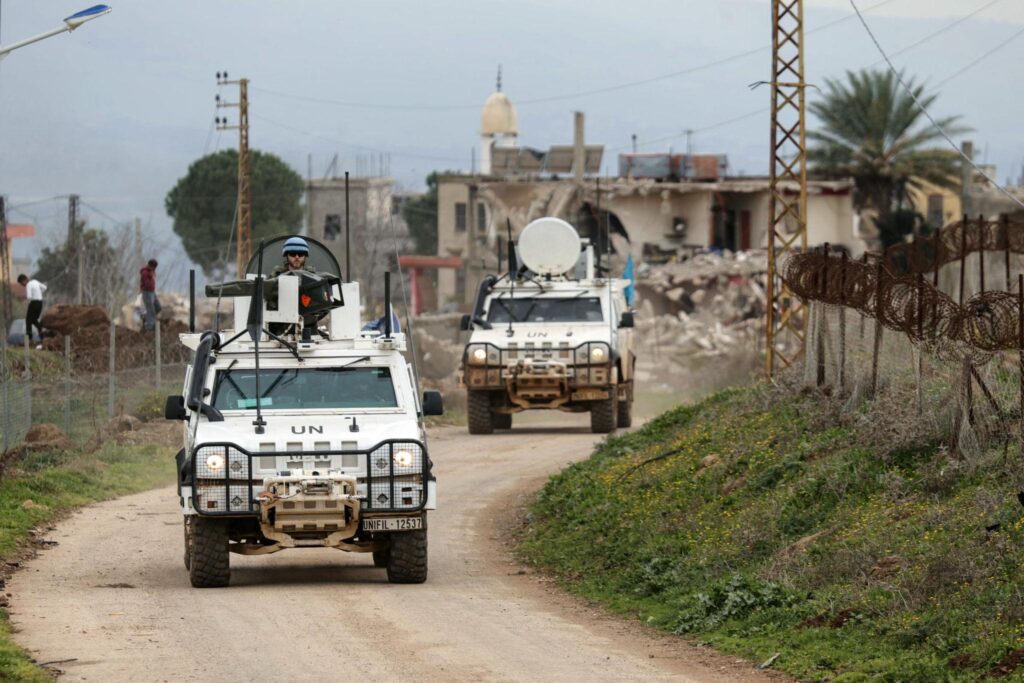
Diplomatic Efforts and Uncertain Outlook
International mediators are working behind the scenes to prevent further deterioration. Calls for de-escalation emphasize the need to avoid actions that could ignite a regional conflict with long-term consequences.
According to Israel–Hezbollah border tensions and regional security risks, analysts caution that sustained border tensions risk pushing the region closer to a broader and more dangerous confrontation.
Source: Reuters
Read More: Latest News