









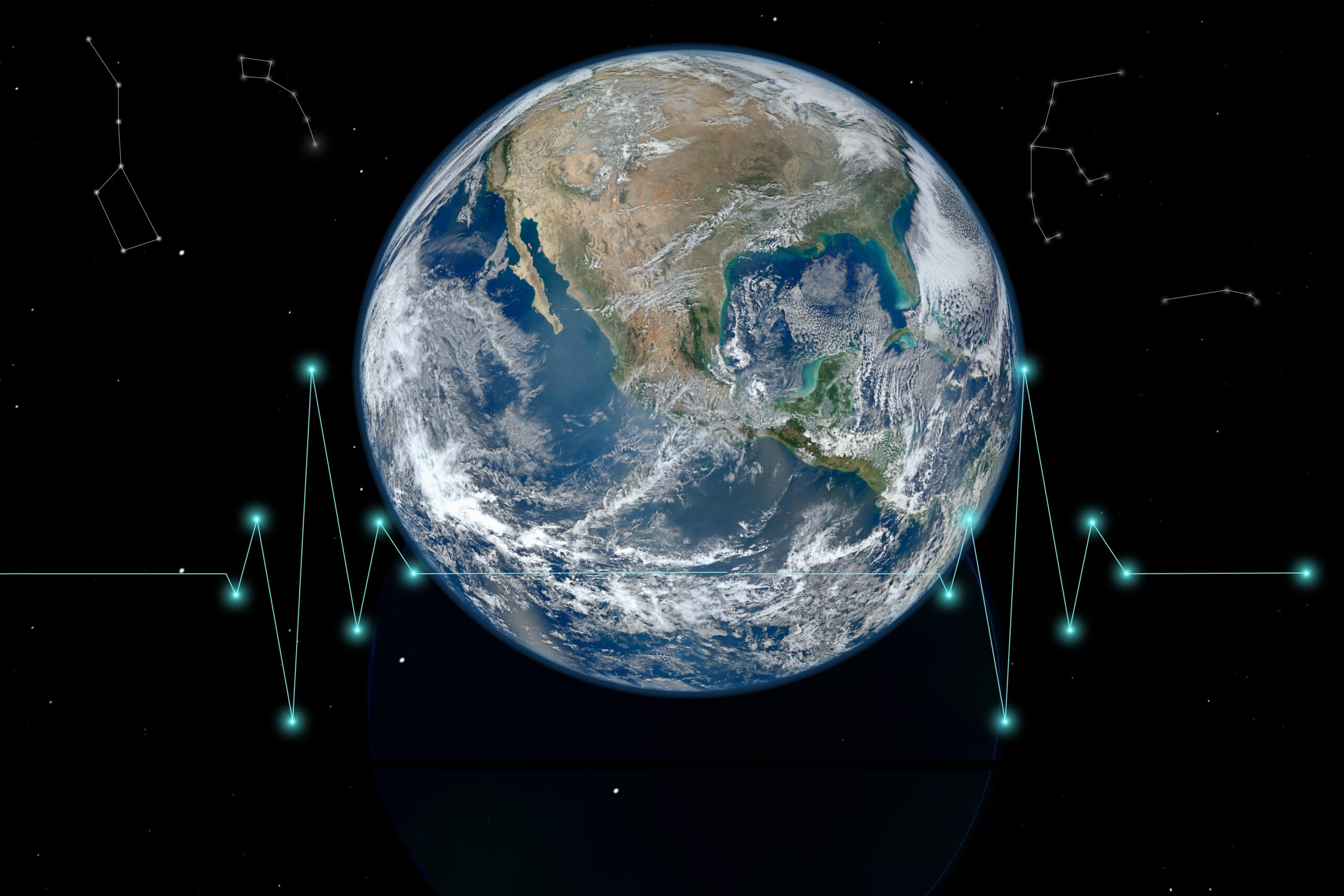
Scientists Attempt to Cool the Earth — Geoengineering Experiments Spark Global Debate
As climate change accelerates and global temperatures continue to rise, scientists are now exploring a controversial idea once considered science fiction:
👉 What if we could cool the Earth artificially?
This concept, known as geoengineering, is gaining serious attention worldwide. From reflecting sunlight back into space to altering cloud formations, researchers are experimenting with technologies that could potentially slow down global warming.
But while the idea offers hope, it also raises deep ethical, environmental, and political concerns.
🌍 What Is Geoengineering and How Does It Work?
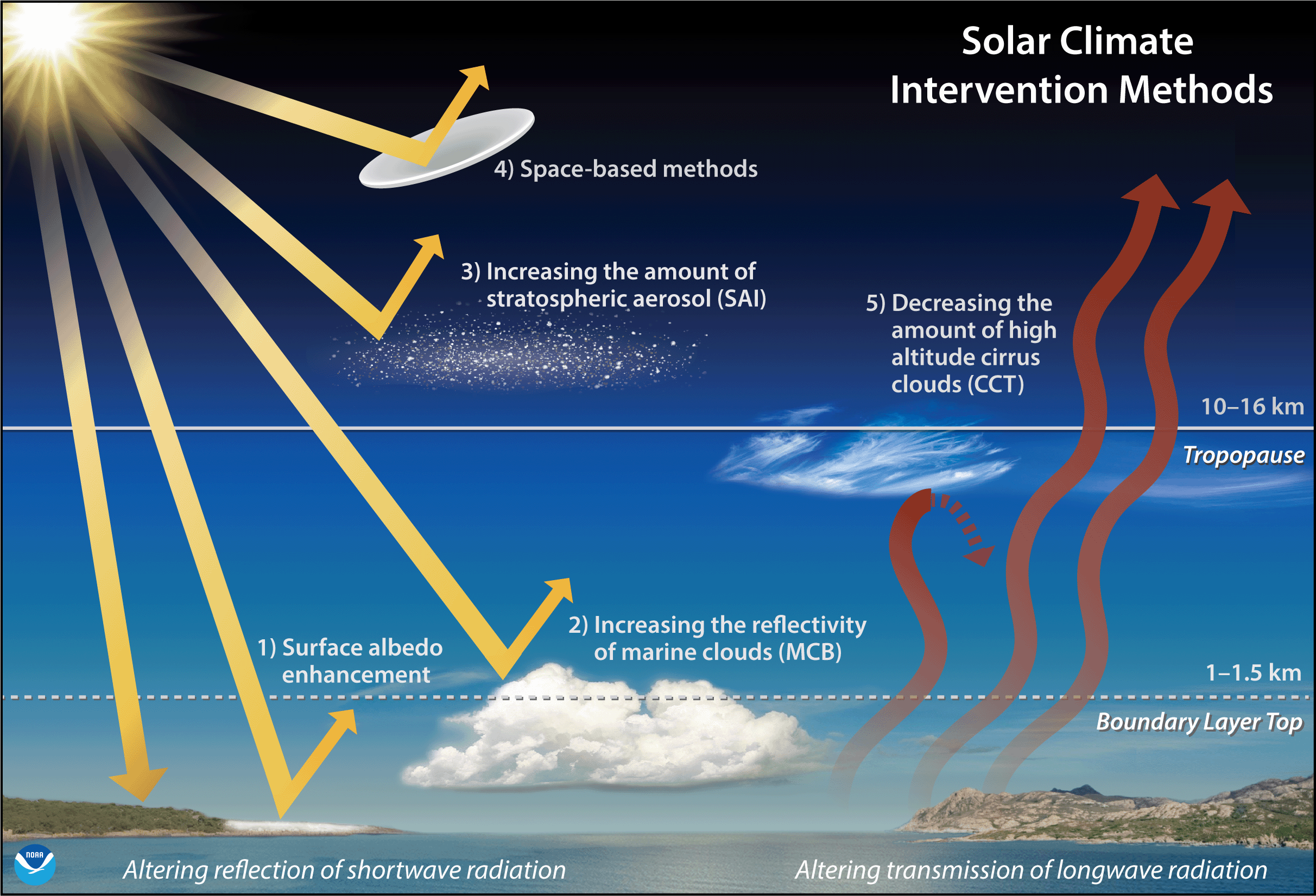
Geoengineering refers to large-scale interventions designed to modify Earth’s climate system.
Two major approaches are currently being studied:
☀️ Solar Radiation Management (SRM)
- Reflecting sunlight away from Earth
- Injecting tiny particles into the upper atmosphere
- Mimicking the cooling effect of volcanic eruptions
🌊 Carbon Removal Techniques
- Capturing carbon dioxide from the air
- Storing it underground or in oceans
- Increasing natural carbon absorption
Organizations like the NASA are actively researching climate systems and potential interventions.
⚠️ Why This Idea Is So Controversial

While geoengineering sounds promising, many experts warn that it could create unpredictable consequences.
Concerns include:
- Altering global weather patterns
- Impact on rainfall and agriculture
- Potential geopolitical conflicts
- Irreversible environmental side effects
Some scientists argue that interfering with the planet at this scale could solve one problem while creating many others.
🔬 Real Experiments Are Already Underway
Geoengineering is no longer just theory—real-world experiments have already begun.
Some projects include:
- High-altitude balloon experiments to test atmospheric particles
- Ocean-based cloud brightening trials
- Carbon capture pilot plants
According to Reuters, global discussions around geoengineering are intensifying as climate urgency increases.
🧠 A Bigger Question: Should Humans Control the Planet?
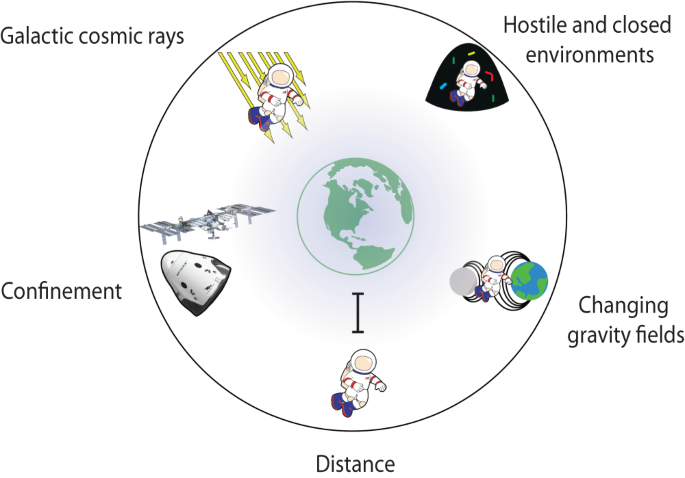
Beyond science, geoengineering raises a profound philosophical question:
👉 Do humans have the right to control Earth’s natural systems?
“This question reflects deeper debates about human decision-making and awareness, similar to the concerns raised in our coverage of how AI systems are beginning to behave unpredictably.”
The comparison is striking—whether it’s AI or climate systems, humanity is now dealing with technologies that are powerful but not fully understood.
🌱 Is Geoengineering a Solution or a Distraction?


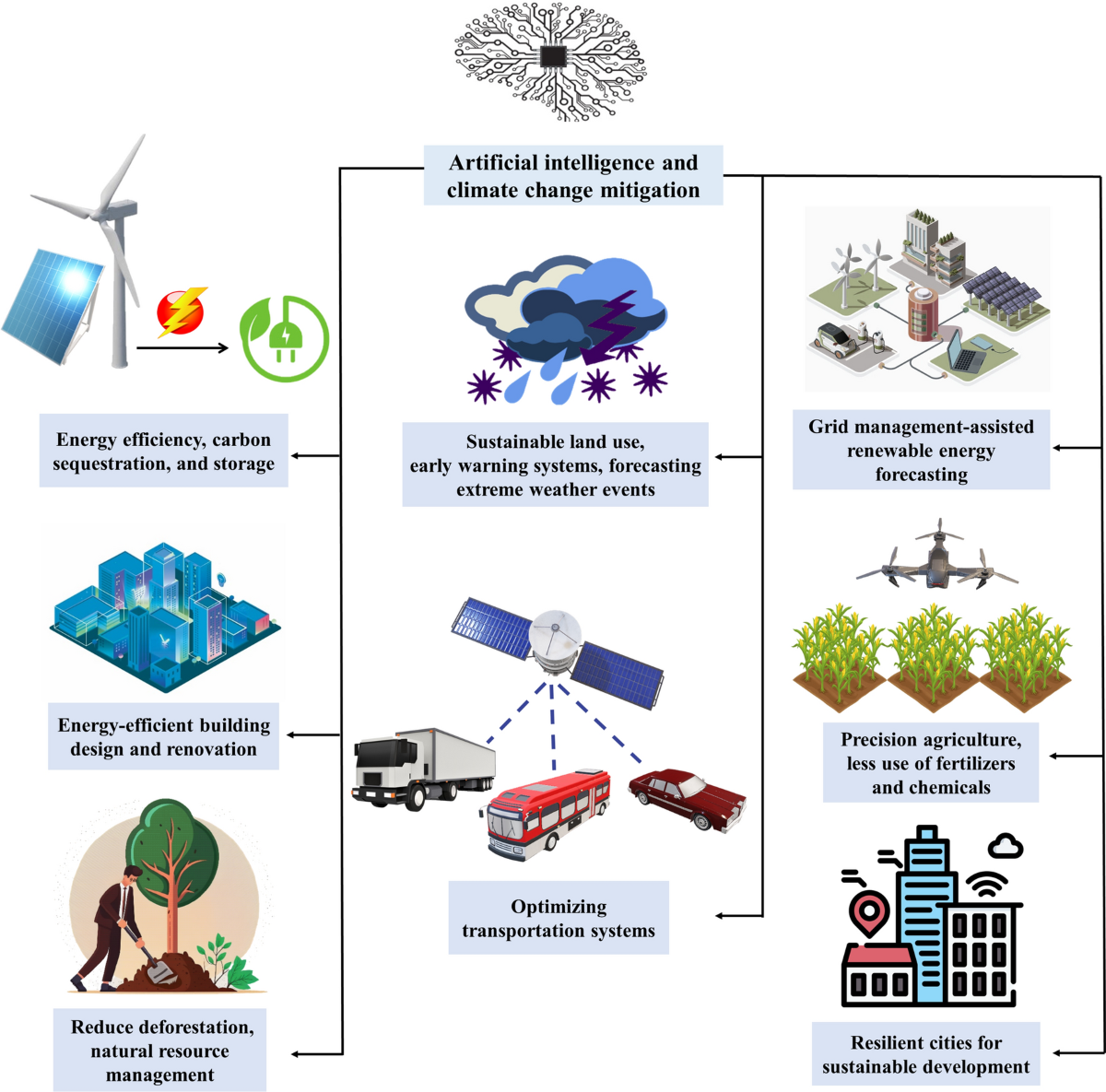
Critics argue that geoengineering may distract from more important solutions, such as:
- Reducing carbon emissions
- Transitioning to renewable energy
- Changing consumption patterns
Supporters, however, believe it could act as a temporary safety measure while long-term solutions take effect.
🔮 What Happens Next?

The future of geoengineering will depend on:
- Scientific validation
- Global cooperation
- Ethical frameworks
- Risk assessment
It is likely that international policies will play a major role in deciding whether these technologies are deployed on a larger scale.
✨ Conclusion
Geoengineering represents one of the most ambitious and controversial ideas of our time. It offers a potential way to slow climate change—but also challenges our understanding of nature, responsibility, and control.
👉 The real question is not just “Can we cool the Earth?”
👉 It is “Should we?”