







The long-standing dream of sending humans to Mars has once again moved into the spotlight after Elon Musk revealed an updated timeline for SpaceX’s ambitious interplanetary mission. Musk, the founder and CEO of SpaceX, has repeatedly emphasized his goal of making humanity a multi-planetary species, and recent developments in the company’s Starship program suggest that the vision may be moving closer to reality.
During recent updates about SpaceX’s progress, Musk indicated that test launches of the massive Starship rocket are continuing at an accelerated pace. The fully reusable spacecraft is designed to carry large payloads and eventually transport humans to destinations beyond Earth, including the Moon and Mars.
The announcement has generated widespread discussion among space enthusiasts, scientists, and policymakers who are closely watching the rapid progress of private space exploration.
The Starship Rocket: Key to the Mars Mission
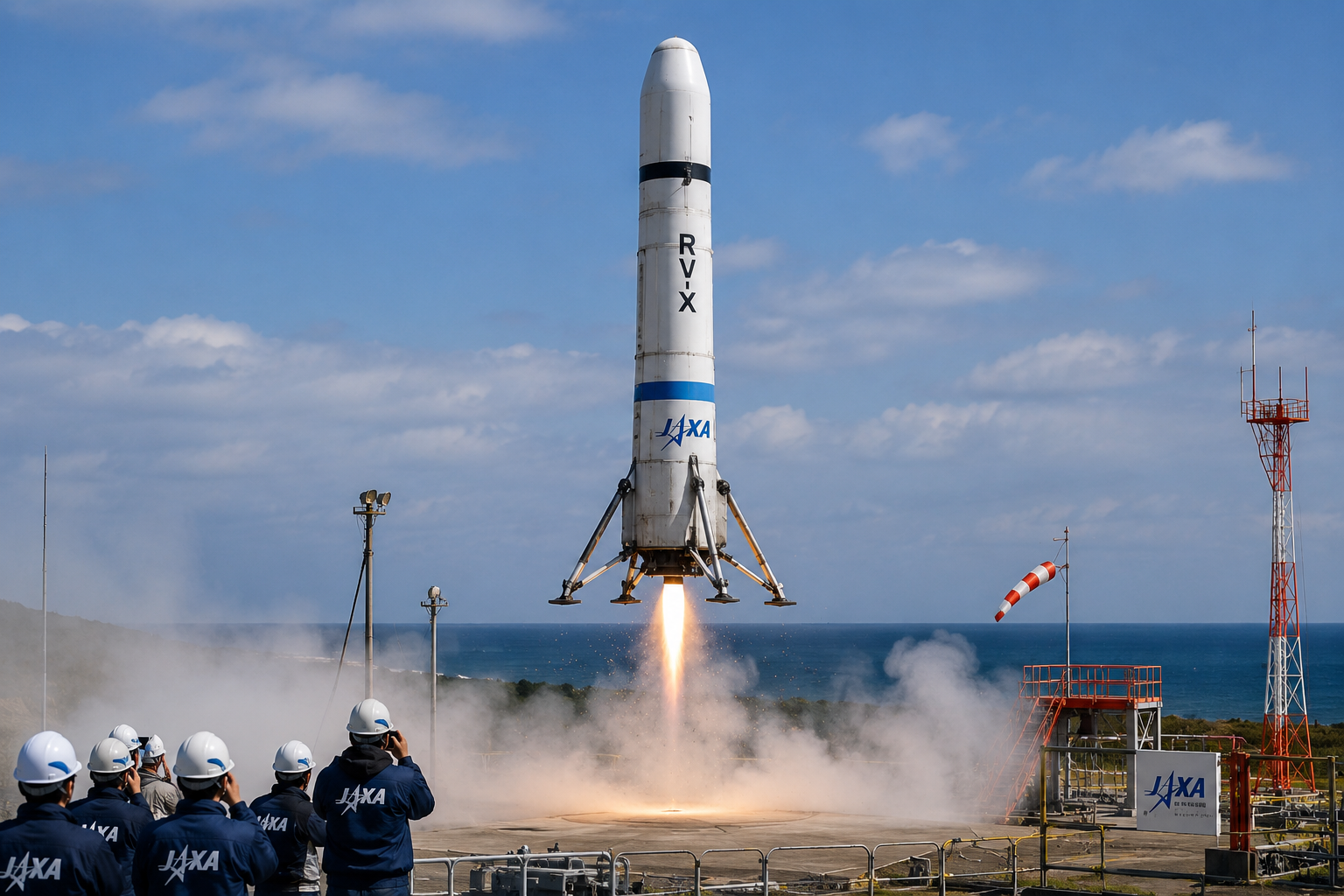
At the center of SpaceX’s Mars plans is Starship, the most powerful rocket system ever designed. The spacecraft is intended to be fully reusable, which could dramatically reduce the cost of space travel compared to traditional rockets.
Standing nearly 120 meters tall when combined with its Super Heavy booster, Starship is designed to transport large cargo loads, satellites, and eventually human passengers into orbit and beyond.
The spacecraft is currently undergoing multiple test flights and engineering improvements. Each launch provides valuable data that engineers use to refine the system and prepare it for future deep-space missions.
SpaceX believes that once fully operational, Starship could transform the economics of space travel and enable frequent missions beyond Earth.
Why Mars Is the Next Major Destination
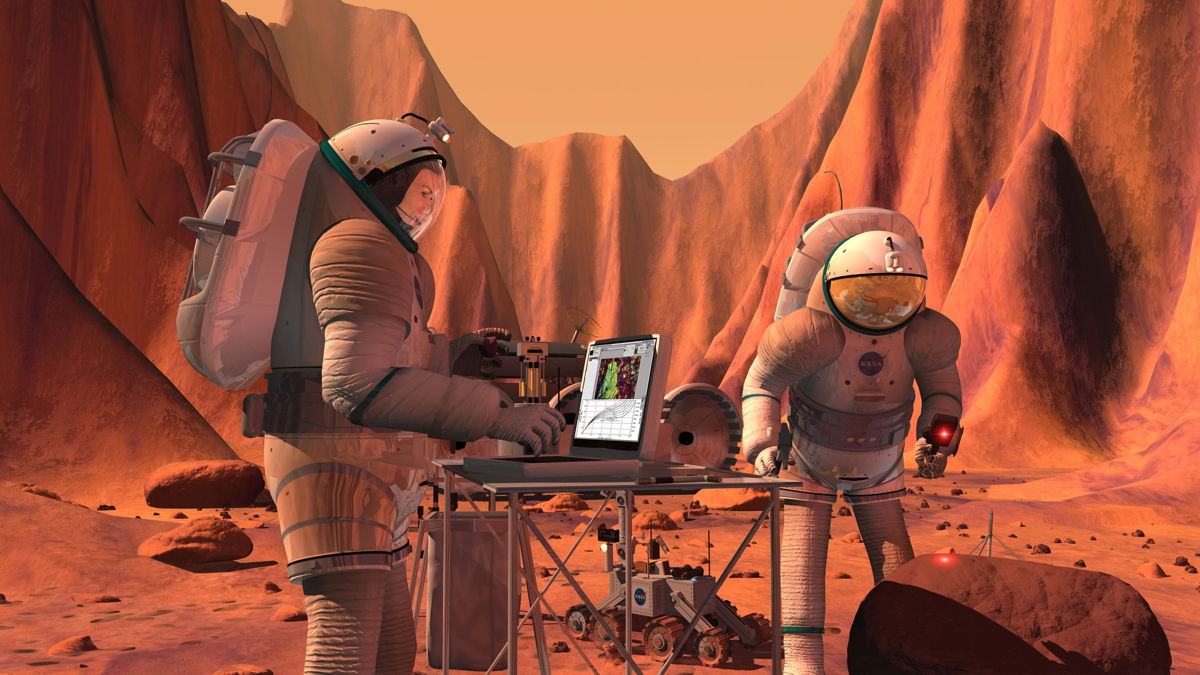
Mars has long fascinated scientists and explorers because it is the most Earth-like planet in the solar system. While its environment is extremely harsh, Mars has several characteristics that make it a potential candidate for future human settlement.
These include:
A day length similar to Earth’s
Evidence of ancient water on its surface
Large reserves of frozen water in polar regions
Scientists believe that studying Mars could also provide valuable insights into how planets evolve and whether life might once have existed beyond Earth.
Space agencies around the world have sent robotic missions to the red planet for decades, but sending humans remains one of the greatest challenges in modern space exploration.
Challenges of Sending Humans to Mars
Despite rapid progress in rocket technology, sending astronauts to Mars presents enormous technical challenges.
The journey to Mars can take several months, depending on planetary alignment. During this time, astronauts would face prolonged exposure to cosmic radiation, microgravity effects on the human body, and extreme isolation.
Engineers must also solve complex problems related to life-support systems, habitat construction, and safe landing techniques on the Martian surface.
Another challenge involves creating sustainable systems that allow astronauts to produce oxygen, water, and possibly even food during long-duration missions.
A New Era of Private Space Exploration
SpaceX’s Mars plans represent a broader shift in the space industry. For decades, large government space agencies dominated space exploration. Today, private companies are playing an increasingly important role.
Companies like SpaceX are developing reusable rockets, launching satellites, and building new technologies that could dramatically expand human activity in space.
Many experts believe that collaboration between private companies and government space agencies could accelerate future missions to the Moon, Mars, and beyond.
What the Future Could Look Like
If SpaceX successfully develops the Starship system, future missions to Mars could become far more frequent and cost-effective. Musk has previously suggested that fleets of Starships could one day transport cargo, equipment, and eventually human settlers to the red planet.
While many challenges remain before such missions become possible, the progress of the Starship program continues to fuel excitement about humanity’s next giant leap into the cosmos.
For scientists and explorers alike, the possibility of humans setting foot on Mars represents one of the most exciting chapters in the future of space exploration.
The renewed focus on deep-space exploration comes at a time when global technological competition is increasing, particularly in areas like the global AI race intensifying as nations compete for artificial intelligence leadership.
Source: Reuters
Read More: Latest News
Read More Interesting Content in My Blog Section of ‘The Thrive Journey’.