









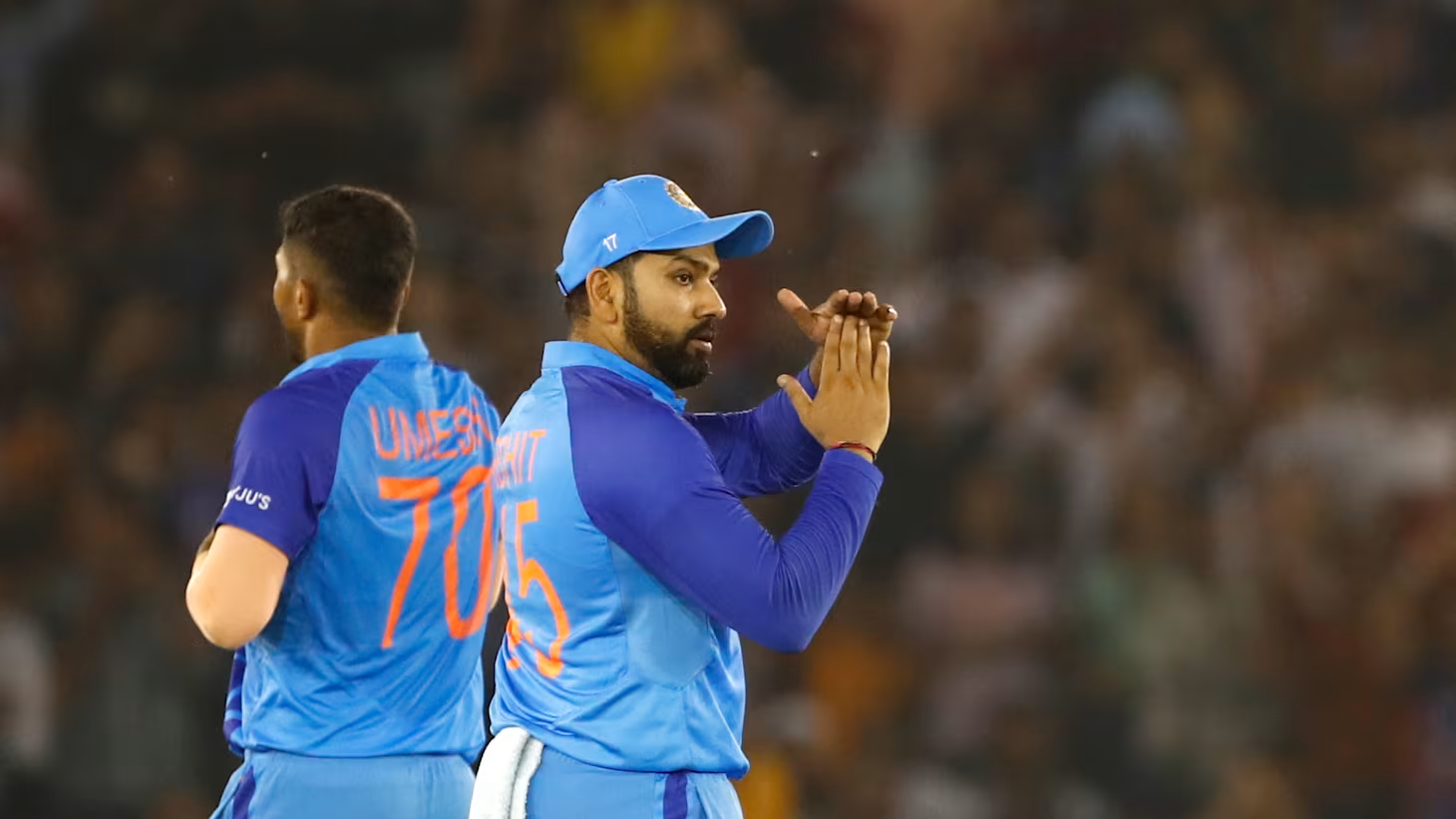
A fresh controversy has erupted in the world of cricket during the ongoing season of the Indian Premier League (IPL), after several debatable umpiring decisions sparked heated discussions among fans, players, and cricket analysts.
The incident occurred during a high-intensity match where a crucial decision involving a close run-out and a disputed catch created confusion on the field. Television replays appeared to show conflicting angles, leading to criticism from commentators and supporters who argued that the decision might have affected the outcome of the game.
Social media platforms quickly filled with reactions from cricket fans demanding more consistent use of advanced technologies such as UltraEdge, ball tracking, and slow-motion replay analysis.
Debate Over Decision Review System
The controversy has once again brought attention to the use of the Decision Review System (DRS) in modern cricket. DRS was introduced to reduce human error in umpiring decisions by allowing teams to challenge on-field calls using technology-based analysis.
While DRS has improved decision accuracy over the years, critics argue that certain situations still remain controversial due to limitations in camera angles or the interpretation of replays.
Former players and analysts have suggested that expanding the use of technology during matches could help avoid such disputes in the future.
Reactions from Players and Experts
Several former cricketers have commented on the situation, saying that controversial decisions are part of the game but modern technology should be used more effectively to minimize errors.
Some experts believe that the pressure of high-stakes tournaments like the IPL makes every decision more critical. With millions of viewers watching globally and huge financial stakes involved, even a single controversial call can generate widespread debate.
Many cricket analysts have emphasized that improving the transparency of decision-making processes can strengthen trust among players and fans.
Importance of Fair Play in Cricket
Cricket has long been known as the “gentleman’s game,” where fairness and sportsmanship are considered central values. Over the years, governing bodies like the International Cricket Council have introduced new technologies and rule updates to maintain fairness and accuracy in the sport.
The IPL, being one of the most watched T20 leagues in the world, often becomes the center of such debates because of its enormous popularity and competitive intensity.
Matches in the league regularly attract global audiences and feature some of the world’s best cricket players.
Technology and the Future of Cricket
As technology continues to evolve, many experts believe that cricket could adopt even more advanced systems to assist umpires in making accurate decisions.
Innovations such as AI-based video analysis, improved ball-tracking systems, and real-time decision support tools could significantly reduce controversial moments in future matches.
Cricket boards and league organizers are also exploring ways to improve broadcasting technologies to ensure that viewers receive clearer and more detailed replay footage.
Fan Reactions Continue to Grow
Meanwhile, fans across the world have continued to debate the controversial decision online. Supporters of both teams involved in the match have expressed strong opinions, with some defending the umpire’s call while others believe the decision should have been reviewed more thoroughly.
Such debates highlight the passion and emotional investment that cricket fans have in the game.
Despite the controversy, analysts say that moments like these often contribute to the drama and excitement that make tournaments like the IPL so popular among global audiences.
Cricket and sports events often capture global attention and unite fans across countries. Readers can explore how modern technology shapes everyday experiences in our article How AI Is Used in Everyday Life
Source: Indian Premier League official tournament updates
Read More: Latest News
Read More Interesting Content in My Blog Section of ‘The Thrive Journey’.