







Scientists are preparing a new deep space exploration mission after researchers detected unusual cosmic signals that could provide clues about some of the universe’s most mysterious phenomena. The signals, captured through advanced astronomical observations, have sparked global interest among scientists studying distant galaxies, black holes, and unexplained radio emissions from deep space.
The discovery has prompted renewed discussions within the international scientific community about the origin of these signals and the need for more advanced instruments to investigate them. Space agencies and research institutions are now considering new missions that could help scientists better understand these cosmic events.
With modern telescopes and spacecraft becoming more powerful than ever before, astronomers believe humanity may be on the verge of uncovering new insights about the structure and evolution of the universe.
Unusual Signals Detected From Deep Space
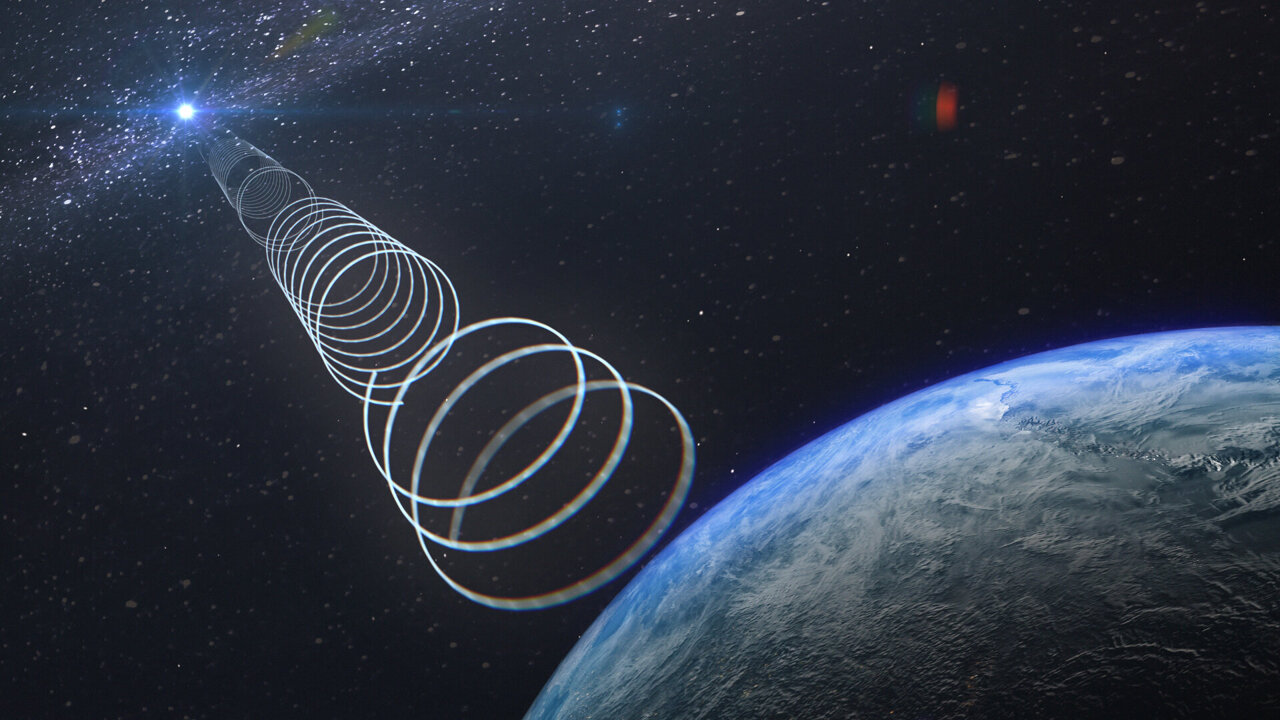
The mysterious signals were detected by observatories studying radio waves and other electromagnetic emissions from distant regions of the cosmos. Researchers say the signals appear to originate from extremely far away, possibly billions of light-years from Earth.
Such signals often come from highly energetic cosmic events such as neutron star collisions, black hole activity, or fast radio bursts—brief but powerful flashes of radio waves that travel across vast distances in space.
Although scientists have been studying these phenomena for years, some of the newly detected signals appear to behave differently from previously observed cosmic events. This unusual behavior has motivated astronomers to conduct deeper investigations.
According to recent observations from NASA deep space research programs, scientists are planning new missions and telescope studies to gather more precise data about these mysterious emissions.
New Space Mission Under Consideration
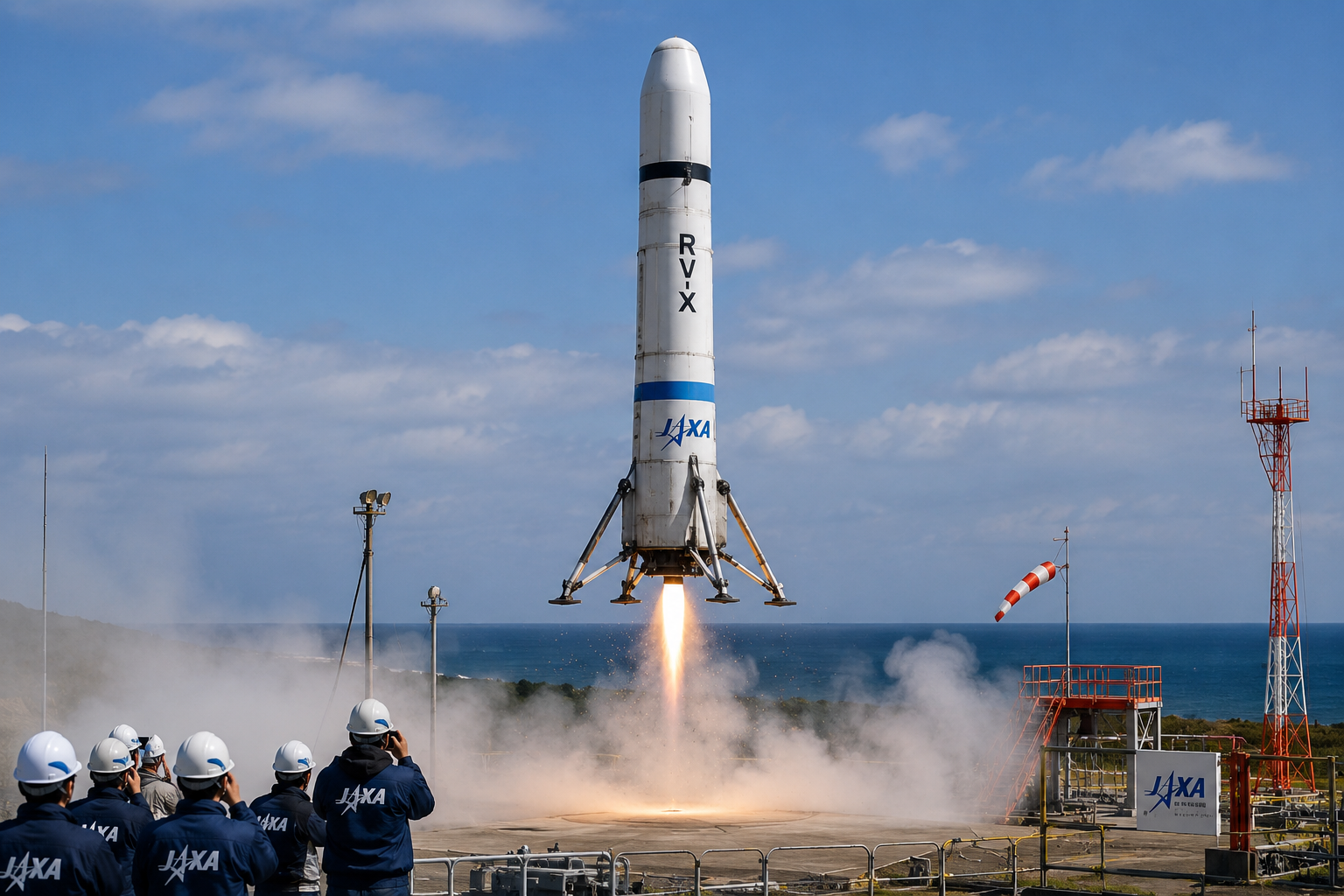
NASA and international partners are exploring the possibility of launching a new space mission specifically designed to study unexplained cosmic signals. The mission could involve advanced telescopes capable of observing multiple wavelengths of light, including infrared, X-ray, and radio frequencies.
Such a mission would allow scientists to capture more detailed information about the origin and behavior of these signals. By analyzing their patterns and energy levels, researchers hope to determine whether the signals originate from known astrophysical processes or from phenomena that have not yet been fully understood.
Space missions focused on deep space observation often require years of preparation, including the development of sophisticated instruments capable of operating in extreme environments.
Advances in Telescope Technology
The rapid progress in telescope technology has significantly improved humanity’s ability to explore deep space. Modern observatories can now detect faint signals from galaxies formed shortly after the Big Bang.
Space-based telescopes such as the James Webb Space Telescope have already demonstrated how powerful infrared instruments can reveal details about distant cosmic structures.
Future missions may combine multiple observation technologies to analyze signals more accurately and map regions of space where unusual cosmic events occur.
Scientists believe these advancements will dramatically expand our knowledge of the universe in the coming decades.
Understanding Fast Radio Bursts
One possible explanation for the mysterious signals is a phenomenon known as fast radio bursts (FRBs). These are extremely powerful bursts of radio waves that last only a few milliseconds but release enormous amounts of energy.
FRBs were first discovered in 2007, and their origin remains one of the most intriguing puzzles in modern astrophysics. Some researchers believe they may be caused by magnetars—highly magnetized neutron stars—while others suggest more exotic explanations.
By studying these signals more closely, scientists hope to determine the exact processes responsible for producing them.
Global Collaboration in Space Research
Exploring deep space phenomena often requires cooperation between multiple space agencies and research institutions. Scientists from around the world collaborate to analyze astronomical data, share telescope observations, and develop theoretical models.
International partnerships between NASA, the European Space Agency, and other organizations have enabled several groundbreaking discoveries in recent years.
These collaborations will likely play a crucial role in designing and launching future missions aimed at understanding mysterious cosmic signals.
Expanding Humanity’s Understanding of the Universe
The detection of unusual signals from deep space highlights how much scientists still have to learn about the universe. Even with modern technology, many cosmic processes remain poorly understood.
By developing new missions and advanced observational tools, astronomers hope to uncover the secrets behind these mysterious signals and gain deeper insights into the fundamental laws governing the cosmos.
These discoveries also connect with earlier observations discussed in our report James Webb Telescope Reveals Surprising Details About Early Galaxies, where scientists discovered unexpected structures in ancient galaxies.
As space exploration continues to advance, the search for answers about the universe’s most mysterious signals will remain one of the most exciting frontiers in science.
The discoveries also build upon earlier findings discussed in James Webb Telescope Reveals Surprising Details About Early Galaxies, where astronomers observed unexpected structures in the early universe.
Source: NASA
Read More: Latest News
Read More Interesting Content in My Blog Section of ‘The Thrive Journey’.