








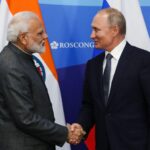

In a major international gathering at the 2026 World Economic Forum (WEF) in Davos, global policymakers, central bankers, and economic experts underscored the resilience of the world economy amid ongoing geopolitical challenges and uncertainties. This year’s forum brought renewed focus on international cooperation, economic stability, and strategies to navigate rising global debt, inflation pressures, and geopolitical tensions — marking a key moment for the direction of global economic policy in 2026.
Economic Outlook: Resilience With Lingering Risks
At the annual Davos gathering, representatives from institutions like the International Monetary Fund (IMF), World Trade Organization (WTO), and European Central Bank delivered assessments pointing to stronger-than-expected economic resilience across many regions. Despite a backdrop of elevated national debts, supply chain disruptions, and inflationary pressures, collective efforts toward monetary coordination and fiscal reforms have helped stabilize key markets. Experts noted that while significant challenges remain, especially in emerging economies, global growth prospects are more balanced than initially feared at the start of the year.
Geopolitical Developments Shape Global Policy
An important theme at the WEF was the influence of shifting geopolitical dynamics on economic strategies. Delegates discussed how trade tensions, regional conflicts, and diplomatic realignments are having increasingly complex effects on global markets and foreign investment flows. For instance, recent diplomatic efforts in Russia-Ukraine peace talks, ongoing Middle East tensions, and evolving trade policies between major economies were highlighted for their potential impact on global economic stability. Leaders stressed that coordinated international responses are essential to mitigate risks and sustain long-term economic cooperation.
Cooperation Over Conflict
In his keynote address, one senior economic official emphasized that “multilateral cooperation remains the backbone of global economic stability.” Panel discussions throughout the forum revolved around strengthening international institutions, reforming global debt frameworks, and boosting support for sustainable development goals. There was also a renewed focus on promoting inclusive growth and reducing inequality in both developed and developing nations, reflecting a shift toward policies that balance economic performance with social resilience.
The Road Ahead
As the Davos forum concluded, policymakers reiterated that while immediate economic stability has been achieved in parts of the world, long-term growth depends on tackling structural challenges such as climate-related disruptions, demographic shifts, and persistent inflationary pressures. Ongoing geopolitical negotiations — such as peace talks and trade agreements — are expected to play a major role in shaping the global economic narrative through 2026 and beyond.
In summary, the 2026 World Economic Forum spotlighted a cautiously optimistic global economic outlook, tempered by the reminder that cooperation and forward-thinking policy will be key to navigating the complex interplay of geopolitical and financial forces shaping the international landscape.
Source: Associated Press coverage at the World Economic Forum.
Read More: Latest News