








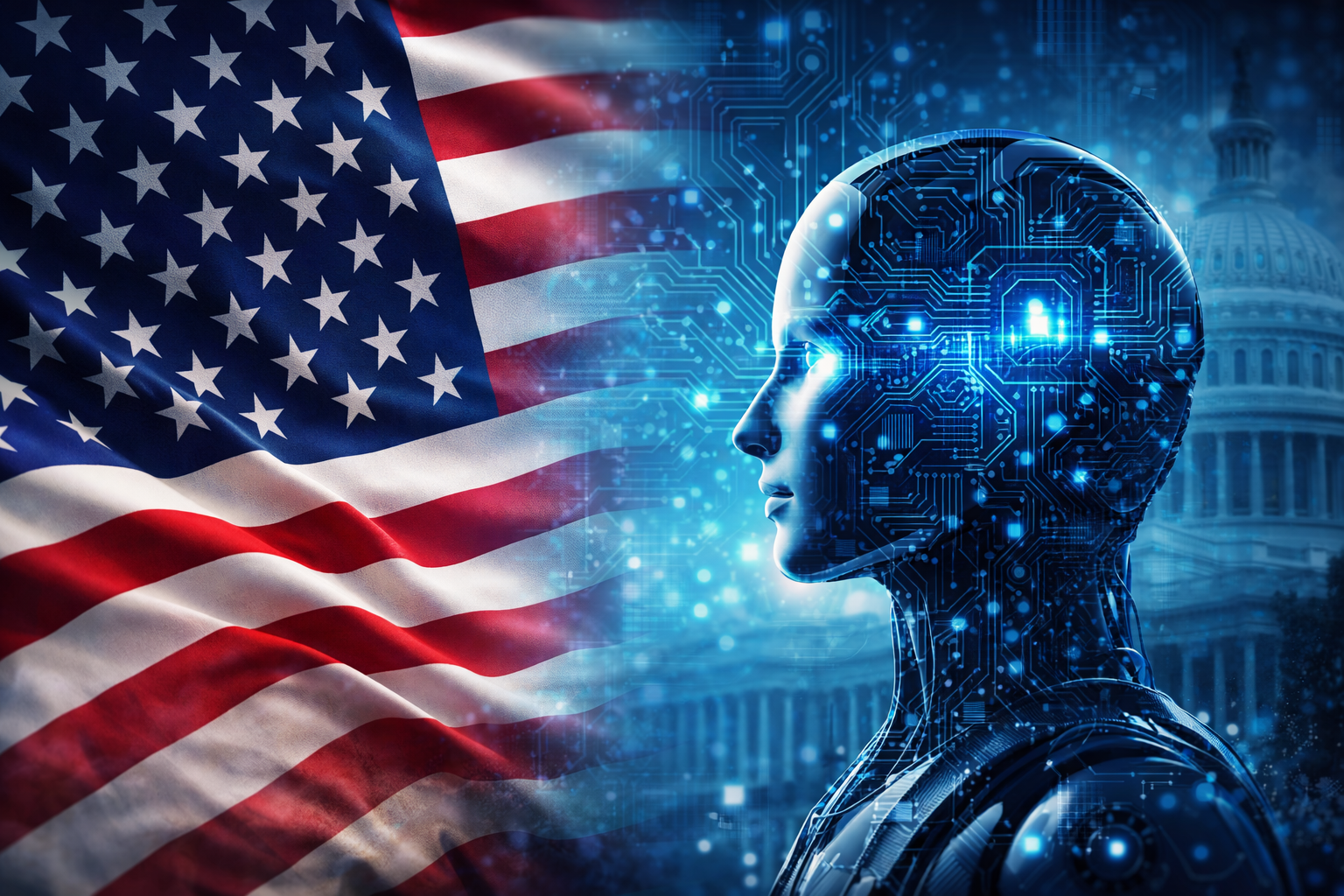
The United States is moving towards stricter regulation of artificial intelligence, with policymakers pushing for new rules to control rapidly advancing AI technologies. This could reshape the future of innovation, tech companies, and global competition.
Why AI Regulation Is Becoming a Priority
Artificial Intelligence is evolving faster than ever before, and governments worldwide are struggling to keep up.
In the US, concerns are rising around:
- Data privacy
- AI misuse
- Job displacement
- Ethical risks
As AI systems become more powerful, regulators are stepping in to ensure that innovation does not come at the cost of safety and control.
What New Regulations Could Include
Proposed AI regulations in the US may focus on:
- Transparency in AI decision-making
- Accountability for AI-driven outcomes
- Restrictions on high-risk AI applications
- Protection of user data
These measures aim to strike a balance between innovation and responsibility.
Impact on Global Tech Industry
Since the US leads the global tech ecosystem, any regulatory move will have worldwide implications.
Possible impacts include:
- Slower rollout of new AI technologies
- Increased compliance costs for companies
- Greater trust among users
At the same time, it could also create a more stable and secure digital environment.
What This Means for Companies
Big tech companies like Google, Microsoft, and OpenAI may need to:
- Adjust their AI development strategies
- Increase transparency in models
- Work closely with regulators
This shift could redefine how technology companies operate in the coming years.
This growing concern around AI behavior is not new, as we recently covered in how AI systems are beginning to show unexpected patterns, raising serious questions about control and predictability.
The deeper implications of such advancements are closely tied to human cognition, something we explored in our detailed analysis on Artificial General Intelligence, where machines may soon rival human thinking.
What Lies Ahead?
The coming months will be crucial in determining how strict these regulations become.
If implemented effectively, they could:
- Build trust in AI systems
- Encourage responsible innovation
- Set global standards for AI governance
However, overly strict rules could also slow down technological progress.
Conclusion
The US push for AI regulation marks a turning point in the tech world. As artificial intelligence continues to grow, the challenge will be finding the right balance between innovation and control.
This decision will not only impact the US but will shape the future of technology worldwide.
Source: Reuters
Read More: Latest News
Read More Interesting Content in My Blog Section of ‘The Thrive Journey’.