









A New Indo-Pacific Strategy Taking Shape
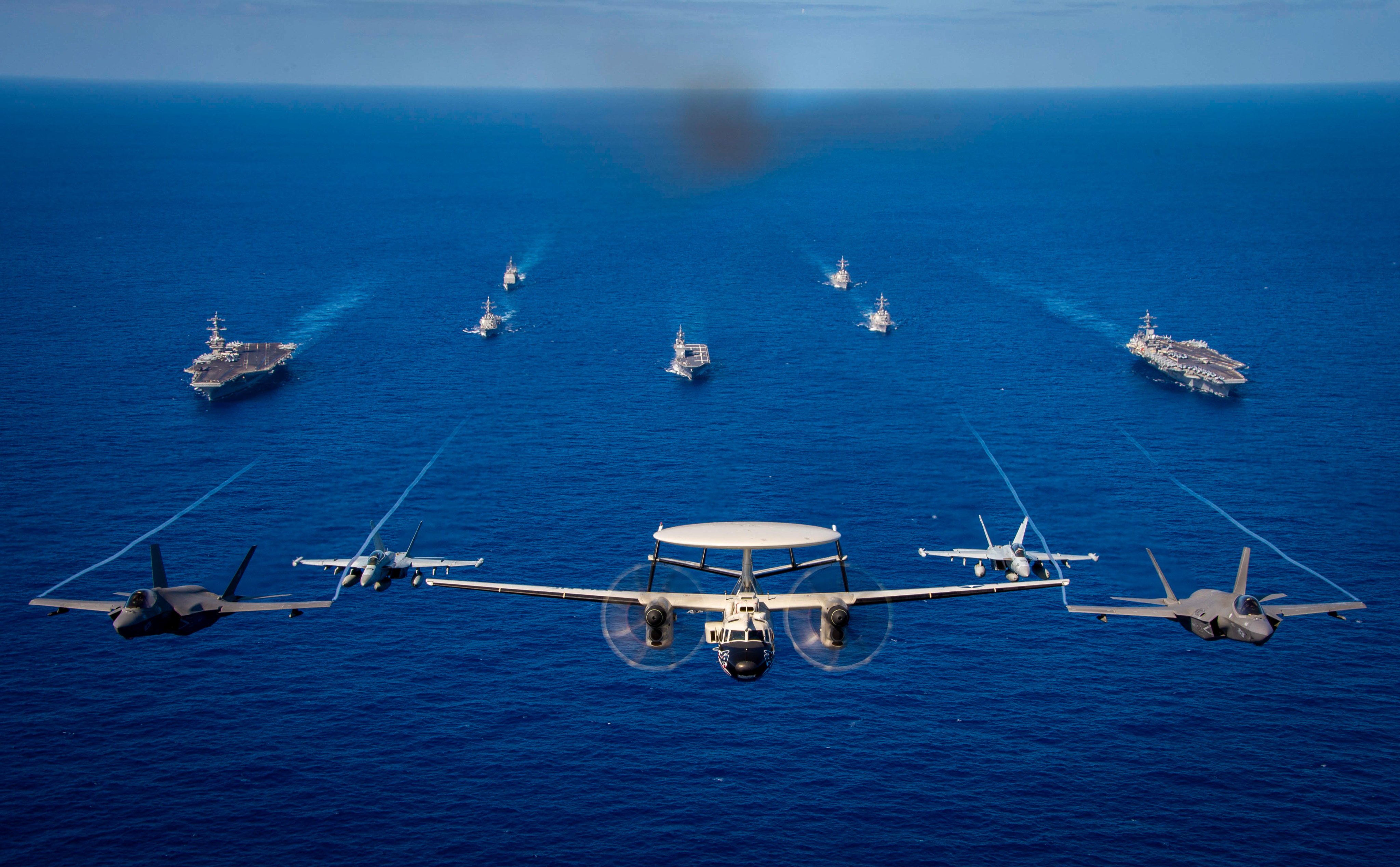
The Pentagon has recently emphasized strengthening its presence in the Indo-Pacific by expanding naval deployments, increasing joint military exercises, and reinforcing alliances with key partners such as Japan, Australia, and India.
This strategic recalibration is largely driven by rising tensions in the region, particularly involving China’s growing military influence. The US aims to ensure a “free and open Indo-Pacific,” a phrase that has now become central to its foreign policy narrative.
Military analysts suggest that this is not just a temporary shift but a long-term strategic commitment that will shape global geopolitics for the next decade.
Why India Becomes a Key Strategic Partner
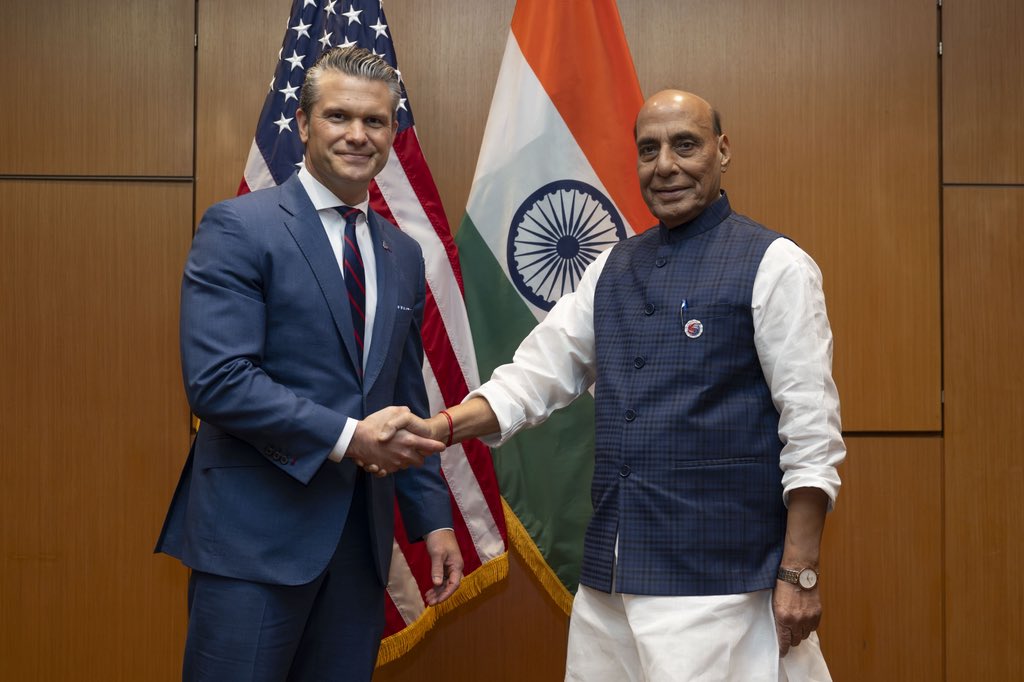
India’s importance in this evolving framework has grown significantly. As a major democratic power in the Indo-Pacific, India is increasingly being seen as a stabilizing force in the region.
The strengthening of partnerships under frameworks like the Quad (India, US, Japan, Australia) reflects a shared vision of maintaining regional stability and countering emerging threats.
This growing alignment is not just military—it also includes technology sharing, cybersecurity collaboration, and intelligence cooperation.
“This growing defence collaboration also reflects the deeper integration of advanced technologies discussed in our analysis on how AI is transforming everyday life.”
Global Impact: A Shift in Power Balance
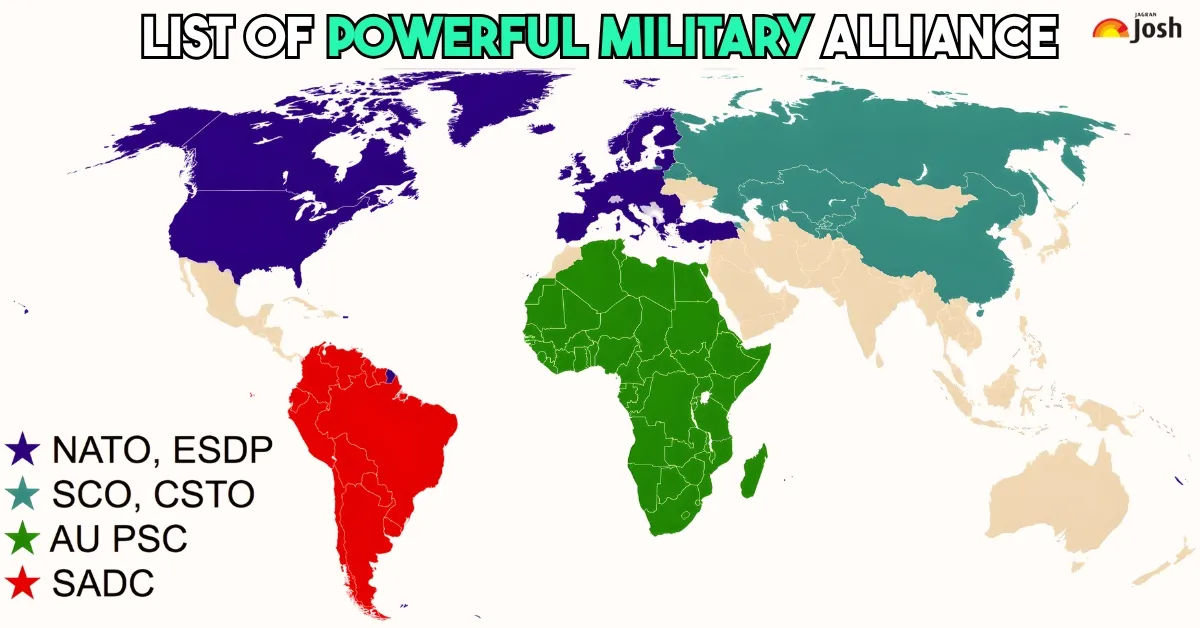
This move by the US is expected to have ripple effects across global politics. Countries in Southeast Asia are closely watching how this shift impacts trade routes, security agreements, and diplomatic relations.
According to reports from Reuters, the Indo-Pacific region is now one of the most strategically important zones in the world, accounting for a major share of global trade and economic activity.
The increased military presence also raises concerns about escalation, making diplomacy and strategic balance more crucial than ever.
Technology & Warfare: The New Dimension
Modern warfare is no longer limited to physical battlegrounds. The Indo-Pacific strategy also includes advancements in cyber warfare, artificial intelligence, and space-based surveillance.
The US and its allies are investing heavily in:
- AI-powered reconnaissance systems
- Autonomous naval and aerial drones
- Cyber defence and offensive capabilities
- Satellite-based intelligence networks
This evolution aligns with the broader technological transformation seen globally.
“These developments also reflect the evolving global defence landscape, as highlighted in our detailed coverage of India’s growing military partnerships and technology collaborations.”
What This Means Going Forward
The US defence shift in the Indo-Pacific is more than just a military move—it is a strategic signal to the world. It highlights the importance of alliances, technological superiority, and proactive defence planning.
For India, this presents both opportunities and responsibilities. As a key player in the region, India’s role in maintaining balance, ensuring security, and fostering cooperation will be critical in the years ahead.
At the same time, this shift underscores a broader reality: the future of global stability will depend not just on military strength, but on strategic partnerships and technological innovation.
Conclusion
The Indo-Pacific is rapidly becoming the center of global power dynamics, and the US defence strategy marks a turning point in how nations approach security and cooperation. For India and the world, this is a moment that will define the next phase of geopolitical evolution.