









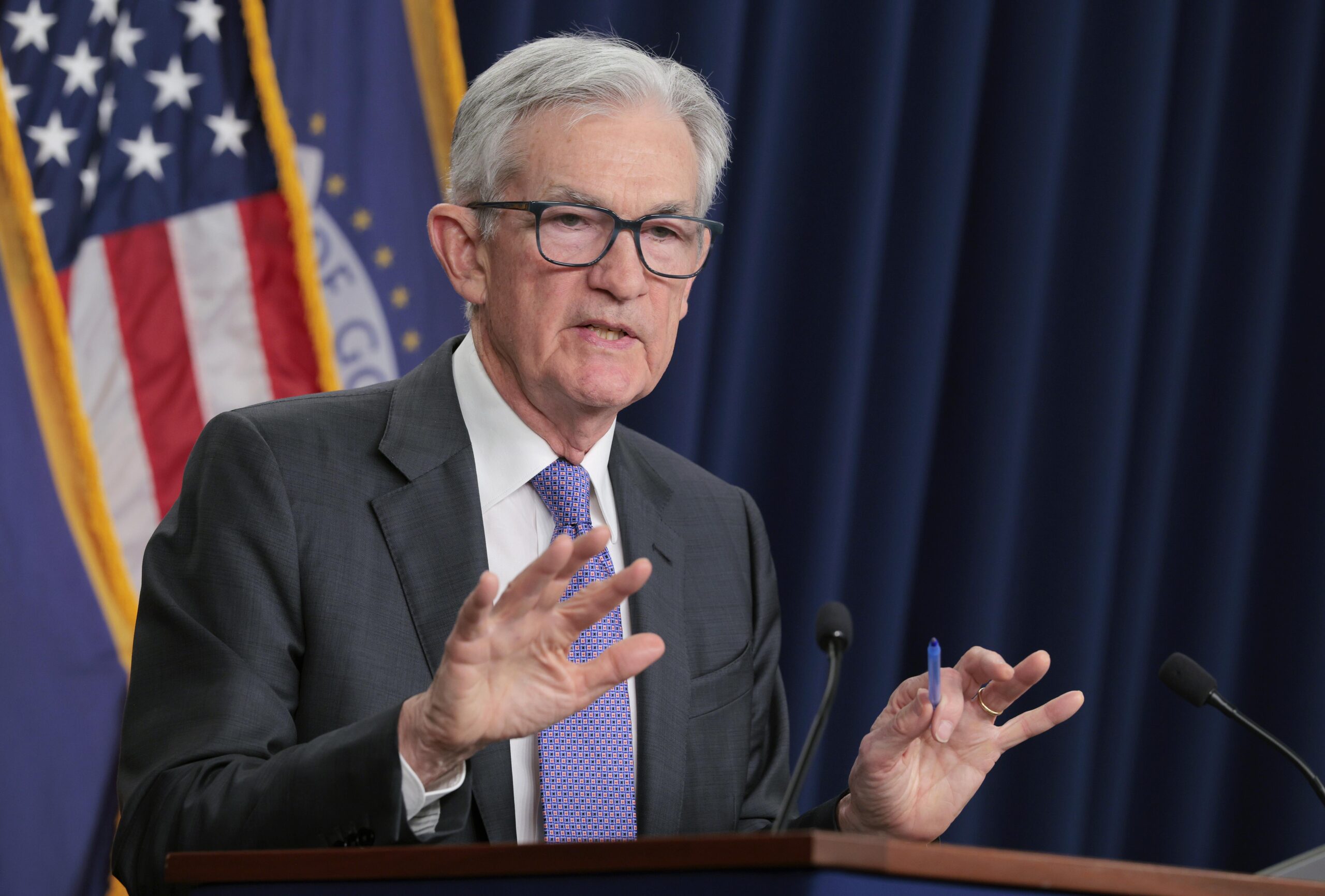
The Federal Reserve has signaled a cautious approach toward future interest rate decisions, indicating that while inflation pressures are easing, policymakers are not yet ready to declare victory. The latest commentary from Fed officials suggests that rate cuts may come gradually — but only if economic data continues to support a steady decline in inflation without destabilizing the labor market.
As the United States moves closer to a high-stakes election year, monetary policy decisions are under heightened scrutiny. Financial markets, global investors, and governments worldwide are watching closely, given the Fed’s influence on currency values, bond markets, and international capital flows.
Inflation Shows Signs of Cooling — But Risks Remain
Recent economic reports show that US inflation has moderated compared to previous peaks. Core inflation metrics have softened, energy prices remain relatively stable, and supply chain disruptions that once drove price surges have largely normalized.
However, policymakers emphasize that inflation remains above the Fed’s long-term 2% target. Wage growth, consumer spending resilience, and geopolitical uncertainties continue to pose upside risks. Officials have reiterated that they prefer sustained data trends rather than reacting to short-term fluctuations.
According to U.S. inflation data from the Bureau of Labor Statistics, price growth has slowed in recent months, but services inflation remains persistent.
Market Reaction and Investor Sentiment
Wall Street initially reacted positively to signals that the tightening cycle may be nearing its end. Bond yields eased slightly, and equity markets experienced cautious gains. However, traders remain divided over the timing and pace of potential rate cuts.
Analysts warn that premature rate reductions could reignite inflation, while keeping rates high for too long may slow economic momentum. The balancing act is delicate, especially as economic confidence intersects with political dynamics.
The US dollar’s strength also plays a major role globally. A strong dollar affects emerging markets, including India, by influencing capital flows and import costs. For economies dependent on foreign investment, Fed policy shifts can have ripple effects.
Political and Election-Year Sensitivity
With the presidential election cycle approaching, the Fed faces additional public and political pressure. While the central bank operates independently, its decisions inevitably shape economic sentiment — a critical factor in voter perception.
Officials have stressed their commitment to remaining data-driven and insulated from political considerations. Still, analysts expect that rate decisions over the coming months will be scrutinized not only for economic impact but also for political consequences.
What This Means for Global Markets
The Federal Reserve’s stance affects:
Mortgage rates in the US
Global bond yields
Stock market valuations
Emerging market capital flows
Currency exchange stability
For countries like India, where IT exports and capital markets are closely tied to US economic health, Fed policy direction can influence investor behavior and corporate earnings expectations.
If inflation continues easing and labor markets remain stable, gradual rate reductions may begin later in the year. However, officials have made it clear that policy adjustments will depend entirely on incoming economic data.
The coming months will determine whether the US economy achieves a “soft landing” — cooling inflation without triggering recession — or faces renewed volatility.
Source: U.S. inflation data from the Bureau of Labor Statistics
Read More: Latest News