









India witnessed an unusual weather pattern this week as parts of the country experienced unexpected cold conditions in the middle of March. While temperatures normally begin rising as summer approaches, regions across the country saw dramatic climatic shifts that surprised both residents and meteorologists.
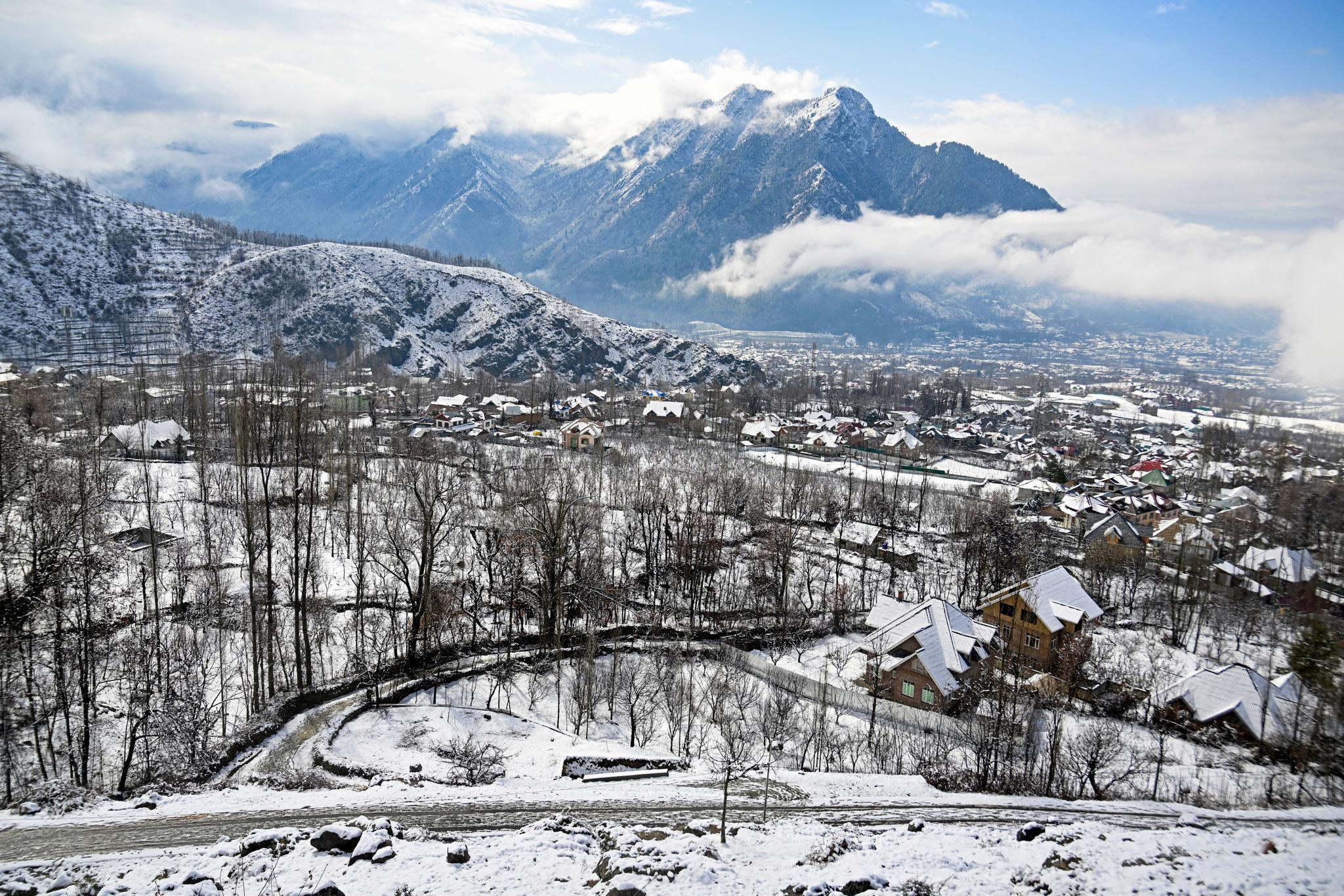
In the northern Himalayan region, fresh snowfall blanketed several high-altitude areas of Kashmir. At the same time, parts of southern India experienced a rare weather phenomenon—hailstorms so dense that they resembled snowfall. The sudden shift in weather patterns has triggered widespread discussion about changing climate trends and extreme weather events across the country.
Meanwhile, global sporting events continue to attract worldwide attention, including the 2026 Winter Olympics global results and record highlights, where athletes from multiple countries delivered remarkable performances.
Snowfall Returns to Kashmir in Mid-March
Kashmir’s mountainous areas experienced fresh snowfall even as the region was expected to transition toward spring. Locals and tourists captured stunning visuals of snow-covered landscapes returning unexpectedly.
Weather experts explain that western disturbances—weather systems originating from the Mediterranean region—often bring rain and snow to northern India during winter. However, the intensity and timing of these disturbances this year appear unusual.
The snowfall has both positive and negative implications. On one hand, it benefits glaciers and water reserves that feed rivers across northern India. On the other hand, sudden snowstorms can disrupt transportation and tourism activities.
Karnataka Witnesses Rare Snow-Like Hailstorm
While snowfall in Kashmir may not be entirely unprecedented, what happened in parts of Karnataka caught many people by surprise.
Residents reported a heavy hailstorm that covered roads, rooftops, and open fields in white pellets, creating a scene that looked almost identical to snowfall. Videos of the phenomenon quickly went viral on social media, with many users initially believing it was actual snow.
Meteorologists confirmed that the white layer was formed by unusually intense hailstorms triggered by unstable atmospheric conditions. Such weather events are rare in southern India, particularly during this time of year.
Scientists Point to Changing Climate Patterns
Climate scientists say these unusual weather events may reflect broader changes in global climate behavior. Rising global temperatures are known to disrupt traditional seasonal patterns, sometimes leading to extreme or unexpected weather events.
Experts emphasize that climate change does not simply mean rising temperatures. Instead, it can cause greater instability in atmospheric systems, leading to sudden storms, unexpected rainfall, or unusual cold spells.
In recent years, India has seen increasing examples of climate variability, including intense heatwaves, unseasonal rainfall, and stronger cyclones.
Impact on Agriculture and Local Communities
Sudden weather shifts can significantly affect agriculture, especially during the crucial harvest and planting periods.
Farmers in some regions worry that hailstorms could damage crops, while unexpected snowfall in mountainous areas can delay transportation and tourism activities.
At the same time, adequate snowfall can help replenish water reserves and support ecosystems that depend on winter precipitation.
Balancing these impacts remains one of the biggest challenges as India adapts to a changing climate.
Why These Events Are Getting Attention
Weather experts say that isolated events like snowfall or hailstorms have always occurred in different parts of the country. However, the frequency and unpredictability of such events are becoming increasingly noticeable.
The unusual combination of snow in the north and hailstorms in the south during the same week has raised fresh questions about how climate systems are evolving.
As climate research continues, scientists are working to better understand how global warming influences regional weather patterns across South Asia.
According to reports, the unusual March weather across India—including snowfall in Kashmir and hailstorms in Karnataka—has drawn widespread attention due to its timing and intensity.
To understand how planetary systems evolve, scientists often revisit the origin of the universe explained by the Big Bang theory, which helps explain how galaxies, stars, and planets formed over billions of years.
Source: Times of India
Read More: Latest News
Read More Interesting Content in My Blog Section of ‘The Thrive Journey’.