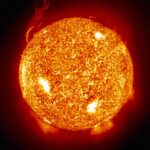




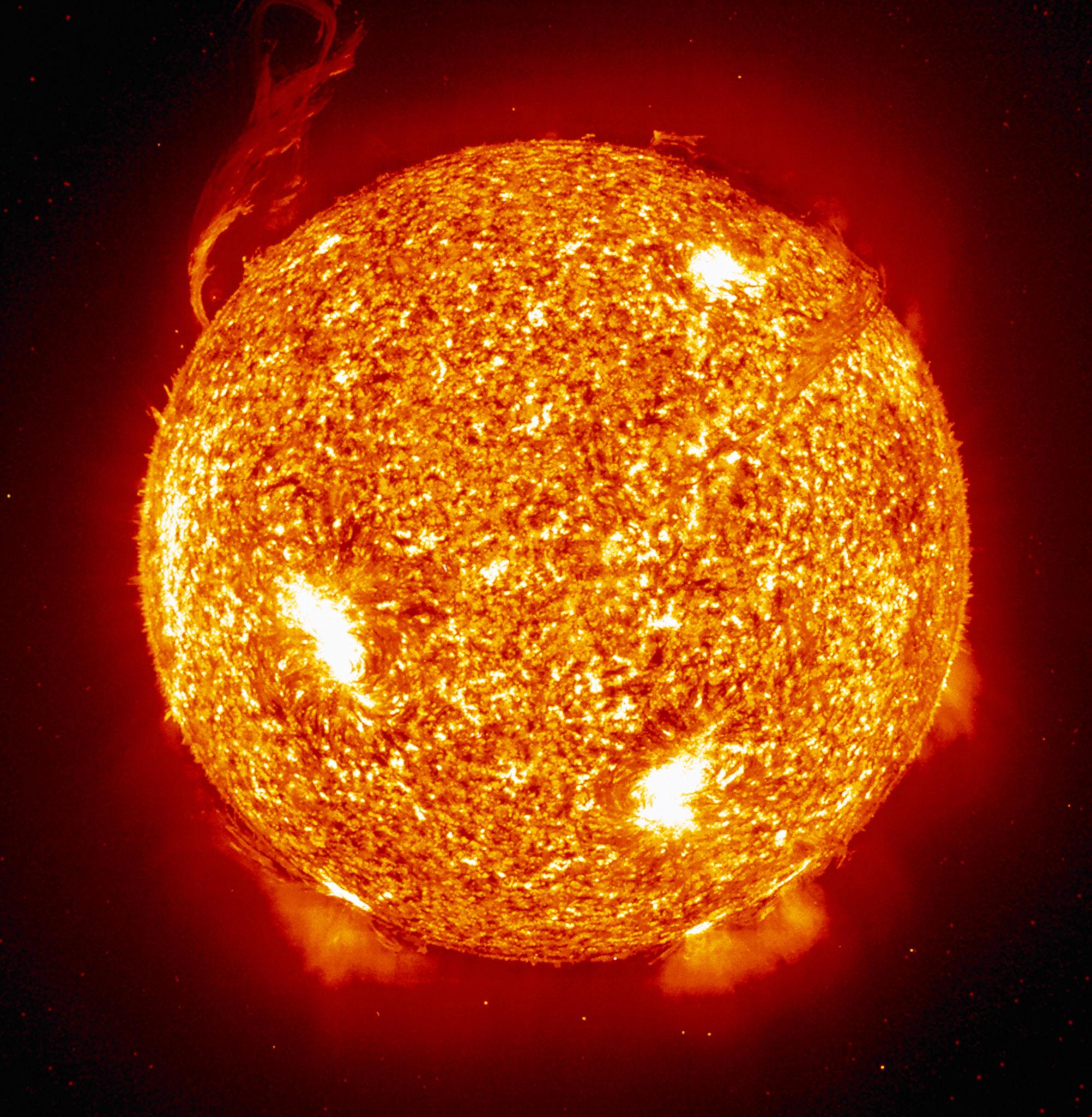
Scientists studying solar activity have issued a warning about a potential solar storm that could impact satellite communications, GPS navigation systems, and certain internet infrastructure on Earth. The alert comes after astronomers detected increased activity on the surface of the Sun, including a powerful solar flare and a coronal mass ejection (CME).
Space weather monitoring agencies, including NASA and the National Oceanic and Atmospheric Administration, are closely tracking the solar activity to determine whether the charged particles from the Sun will directly interact with Earth’s magnetic field.
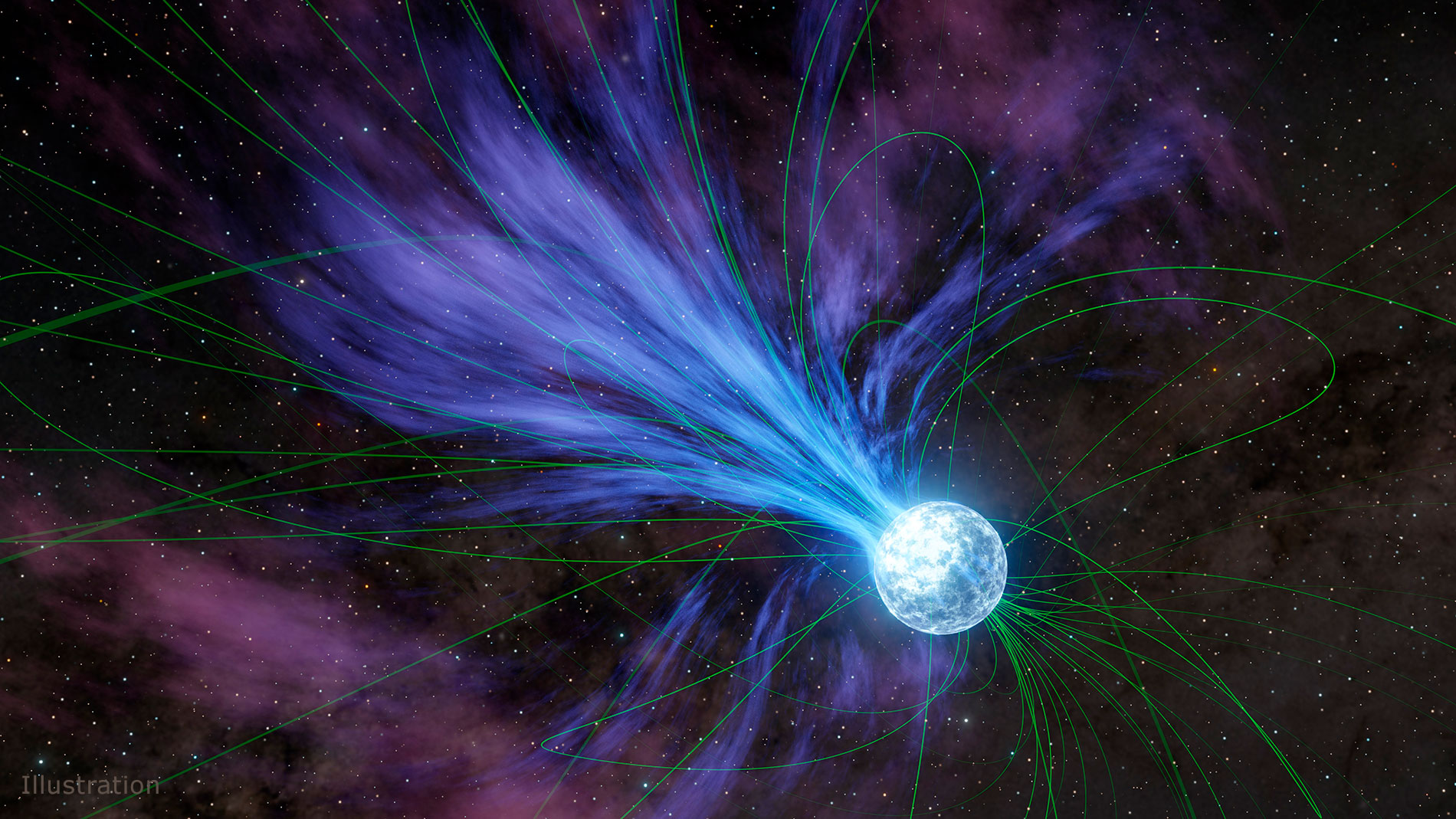
Solar storms occur when the Sun releases large bursts of energy and plasma into space. When these energetic particles travel toward Earth, they can interact with the planet’s magnetosphere, potentially disrupting electronic systems and communication networks.
What Happens During a Solar Storm
A solar storm typically begins with a solar flare, which is a sudden burst of radiation from the Sun’s surface. Sometimes this flare is followed by a coronal mass ejection, which sends billions of tons of charged solar particles into space at extremely high speeds.
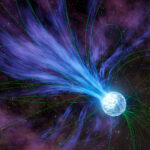
If the CME is directed toward Earth, it can reach the planet within one to three days. Once the particles collide with Earth’s magnetic field, they can trigger what scientists call a geomagnetic storm.
Geomagnetic storms can interfere with satellites orbiting the planet, disrupt radio signals, and in extreme cases affect power grids.
Possible Effects on Technology
Most solar storms are relatively mild and cause only minor disturbances. However, stronger storms can have more noticeable effects on modern technology.
Scientists say the current solar activity could potentially cause temporary disturbances in:
satellite communication systems
GPS navigation accuracy
high-frequency radio signals
aviation communication systems in polar regions
Satellite operators and aviation agencies typically monitor such events closely so that precautionary measures can be taken if needed.
Why Solar Activity Is Increasing
Astronomers say the increased solar activity is linked to the Sun’s natural 11-year solar cycle. During the peak phase of the cycle, known as the solar maximum, the Sun produces more sunspots, solar flares, and coronal mass ejections.
The current solar cycle is gradually approaching its maximum phase, which means scientists expect more solar activity in the coming years.
While most of these events pass without major consequences, space weather monitoring remains important because modern society relies heavily on satellite-based technologies.
A Natural Phenomenon with Spectacular Effects
Interestingly, solar storms can also produce beautiful natural displays in the Earth’s atmosphere. When charged solar particles interact with atmospheric gases near the poles, they create colorful lights known as auroras.
These auroras, often called the Northern Lights or Southern Lights, can sometimes become visible in regions farther from the poles during strong geomagnetic storms.
While the scientific community continues to study solar activity, researchers emphasize that solar storms are a natural part of the Sun’s behavior and have occurred throughout Earth’s history.
Scientists Continue Monitoring the Situation
Space agencies and observatories around the world will continue monitoring the Sun in the coming days to determine the strength and direction of the solar particles.
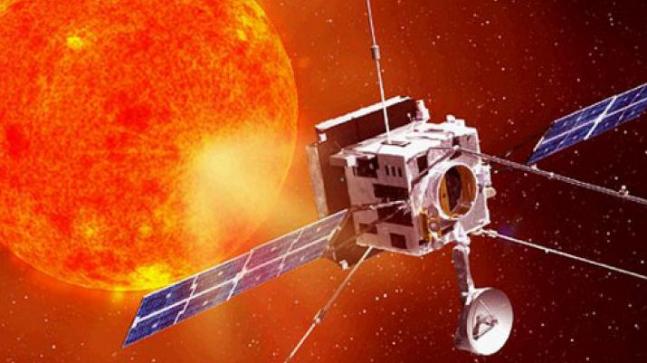
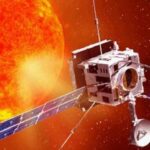
Advanced space observatories allow scientists to track solar events in real time, helping governments and technology companies prepare for potential disruptions.
Although the current solar storm alert does not indicate a severe global impact, experts say monitoring space weather is essential to protect satellites, navigation systems, and communication networks that modern societies depend on.
Understanding solar storms also connects with the broader story of how the universe formed and evolved. Readers interested in cosmic origins can explore our article The Big Bang: The Moment When Nothing Became Everything.
Source: NASA space weather and solar storm research
Read More: Latest News
Read More Interesting Content in My Blog Section of ‘The Thrive Journey’.