





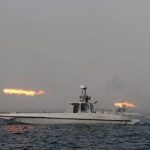




Geopolitical tensions across key maritime corridors are reshaping global trade patterns in 2026, as naval deployments, strategic alliances, and shipping security concerns influence international commerce and energy flows.
In 2026, the world’s oceans are no longer just trade highways — they are strategic pressure points. From the South China Sea to the Red Sea and parts of the Indo-Pacific, maritime tensions are influencing global trade routes, insurance costs, and geopolitical alignments.
While shipping lanes have always carried strategic value, recent developments suggest that maritime security is once again central to global diplomacy. The stakes are high: nearly 90% of global trade by volume moves via sea routes. Any disruption — even temporary — reverberates across supply chains worldwide.
Recent reports on maritime security tensions in Asia-Pacific highlight how naval patrols, joint exercises, and territorial assertions are shaping diplomatic conversations and trade decisions.
Strategic Chokepoints Under the Spotlight
Certain maritime zones have become especially sensitive:
The South China Sea
The Strait of Hormuz
The Red Sea corridor
Key Indo-Pacific trade routes
These regions handle massive volumes of energy shipments, industrial goods, and raw materials. Even heightened military presence — without active conflict — can affect shipping schedules and risk premiums.
Shipping companies increasingly factor geopolitical stability into route planning, sometimes opting for longer but safer alternatives.
Naval Presence and Alliance Signaling
Military exercises and strategic deployments are often framed as defensive or stability-oriented, yet they also serve as geopolitical messaging tools.
Major powers are expanding maritime partnerships, conducting joint drills, and reinforcing freedom-of-navigation operations. These activities are not merely tactical; they signal alignment patterns in an evolving multipolar world.
For smaller coastal nations, balancing diplomatic ties while protecting economic interests has become increasingly delicate.
Impact on Global Supply Chains
When maritime risk increases, so do costs. Insurance premiums for vessels passing through sensitive zones have risen in certain corridors. Energy markets react quickly to any perceived threat to oil and gas shipments.
Manufacturers and exporters are responding by:
Diversifying suppliers
Increasing inventory buffers
Exploring regional trade alternatives
While these adjustments enhance resilience, they also introduce inefficiencies that may influence global pricing trends.
The Indo-Pacific as the New Geopolitical Center
Analysts widely consider the Indo-Pacific region the central arena of 21st-century geopolitics. Economic growth, technological rivalry, and maritime sovereignty disputes converge in this space.
Countries are strengthening naval capabilities not necessarily for confrontation, but to ensure deterrence and protect trade continuity. The objective is stability — yet increased presence can sometimes escalate perceptions of tension.
This balancing act between deterrence and diplomacy defines the current geopolitical landscape.
Trade Routes of the Future
Some experts predict that continued maritime friction could accelerate investment in alternative trade corridors, including:
Overland rail networks
Arctic shipping routes (seasonal)
Expanded regional supply chains
While sea trade will remain dominant, diversification may become a long-term strategic priority.
What to Watch in 2026
Key indicators that may influence global maritime stability include:
Diplomatic negotiations in contested waters
Energy supply disruptions
Regional defense agreements
Shipping insurance and freight rate trends
So far, tensions remain largely managed within diplomatic and strategic boundaries. However, markets remain sensitive to sudden developments.
Source: Reuters
Read More: Latest News