








India’s Missile Defence Strategy Enters a New Era

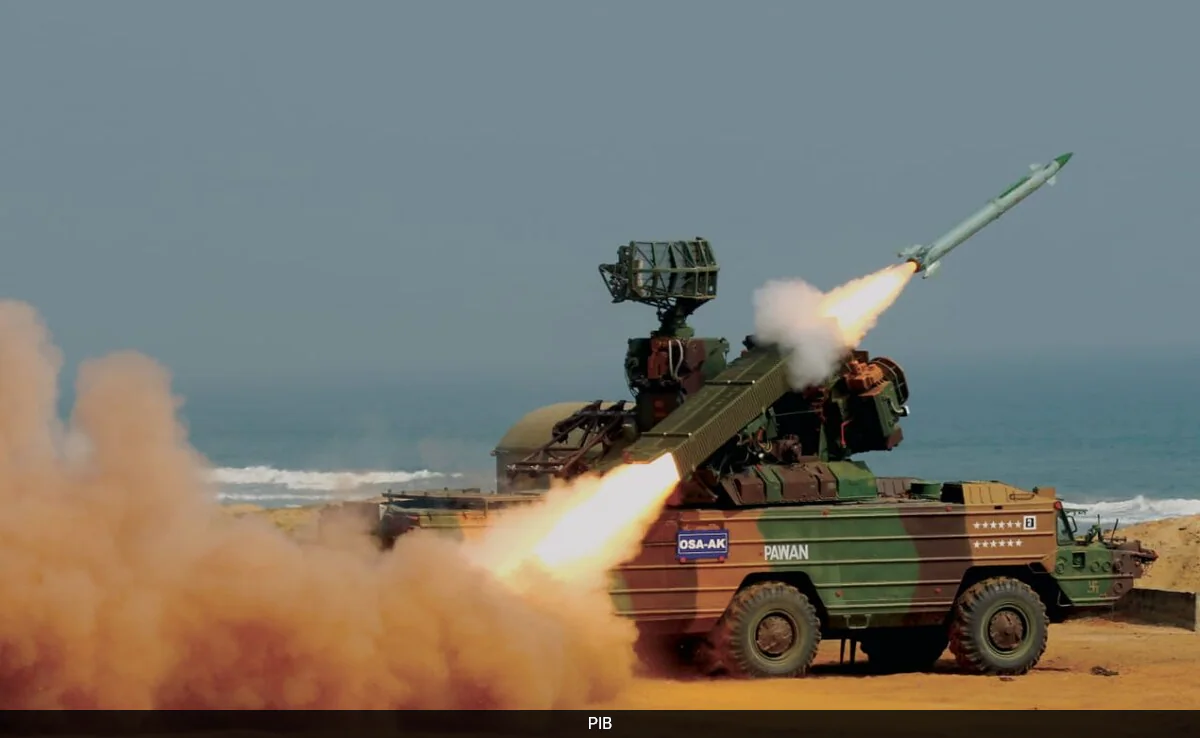
India has accelerated the deployment and operational readiness of advanced air defence systems, including the globally recognized S-400 missile system. This system is capable of detecting, tracking, and neutralizing multiple aerial threats, including fighter jets, drones, and ballistic missiles, at long ranges.
The integration of such high-end defence technology significantly enhances India’s ability to protect critical infrastructure, metropolitan cities, and border regions from potential threats. Military experts believe this marks a transition from reactive defence to a more proactive and predictive security framework.
Role of Indigenous Innovation in Defence Growth

A major highlight of this transformation is the increasing role of indigenous innovation led by the Defence Research and Development Organisation. India is not only importing advanced systems but also developing its own capabilities in missile interception, radar systems, and AI-based defence solutions.
Projects involving autonomous drones, smart surveillance systems, and cyber defence mechanisms are gaining momentum. This aligns with India’s broader vision of “Atmanirbhar Bharat” in the defence sector, reducing dependence on foreign suppliers while boosting domestic manufacturing.
Global Context: Why This Move Matters Now

India’s defence upgrade comes at a time when global tensions are reshaping military strategies worldwide. The Indo-Pacific region, in particular, has become a focal point of strategic competition among major powers.
Reports from Reuters indicate that countries are increasingly investing in advanced defence technologies, including missile shields, cyber warfare capabilities, and AI-driven surveillance systems.
India’s move is therefore not isolated—it is part of a broader global trend where nations are prioritizing security preparedness in an unpredictable geopolitical environment.
What This Means for India’s Future Security

- Missile interception systems
- AI-powered threat detection
- Satellite-based surveillance
- Integrated command and control networks
This holistic approach ensures faster response times, better coordination, and enhanced national resilience against modern threats.
Conclusion
India’s push toward next-generation missile defence is more than just a military upgrade—it represents a strategic transformation in how the nation approaches security in the 21st century. With a blend of global technology and indigenous innovation, India is positioning itself as a strong and prepared force in an increasingly complex world.