








What the Latest Research Reveals

Recent studies in genetics and cellular biology suggest that human lifespan is influenced by a combination of DNA, environment, and lifestyle choices.
Researchers are focusing on:
- Cellular aging (how cells deteriorate over time)
- DNA repair mechanisms
- The role of telomeres (protective ends of chromosomes)
- Anti-aging interventions
According to insights shared by the World Health Organization, global life expectancy has already increased significantly over the past century—and may continue to rise with technological progress.
Why 100 Years May No Longer Be the Limit

Historically, living beyond 100 years was extremely rare. Today, however, the number of centenarians is steadily increasing worldwide.
This shift is driven by:
- Better healthcare systems
- Improved nutrition
- Increased awareness of fitness and mental well-being
- Early disease detection
Scientists now believe that with the right combination of these factors, humans could routinely live well beyond 100 years.
The Role of Technology in Extending Life
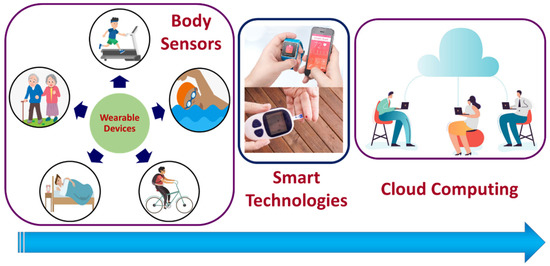
Technology is playing a critical role in this transformation.
Innovations such as:
- AI-driven diagnostics
- Personalized medicine
- Genetic therapies
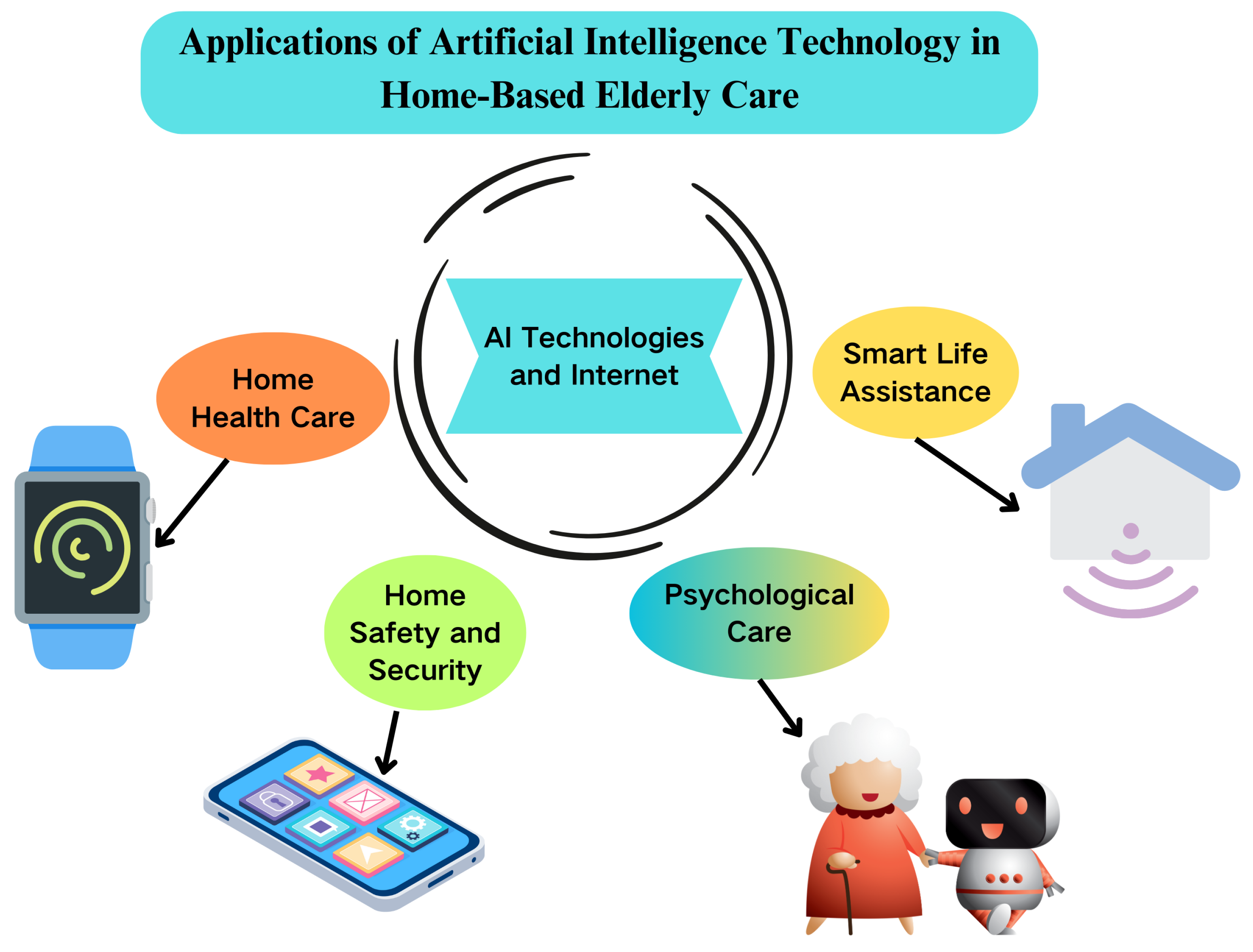
- Wearable health monitoring devices
are helping detect diseases earlier and manage health more effectively.
“These advancements are closely linked to the rapid evolution of AI in healthcare, as highlighted in our coverage of how artificial intelligence is transforming early disease detection.”
Mind, Lifestyle, and Longevity

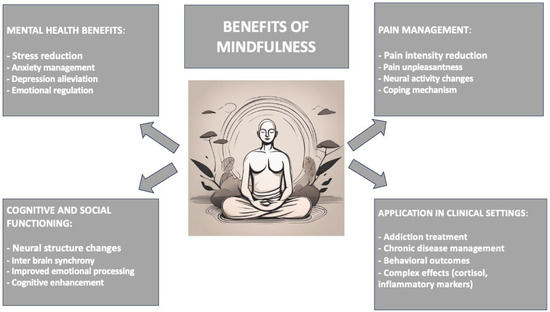
Beyond science and technology, lifestyle remains a powerful factor in determining lifespan.
Studies consistently show that people who:
- Maintain a balanced diet
- Exercise regularly
- Manage stress effectively
- Stay mentally active
tend to live longer and healthier lives.
“Understanding how awareness and lifestyle influence human potential also connects with deeper insights explored in our article on human consciousness and the brain.”
Challenges and Ethical Questions
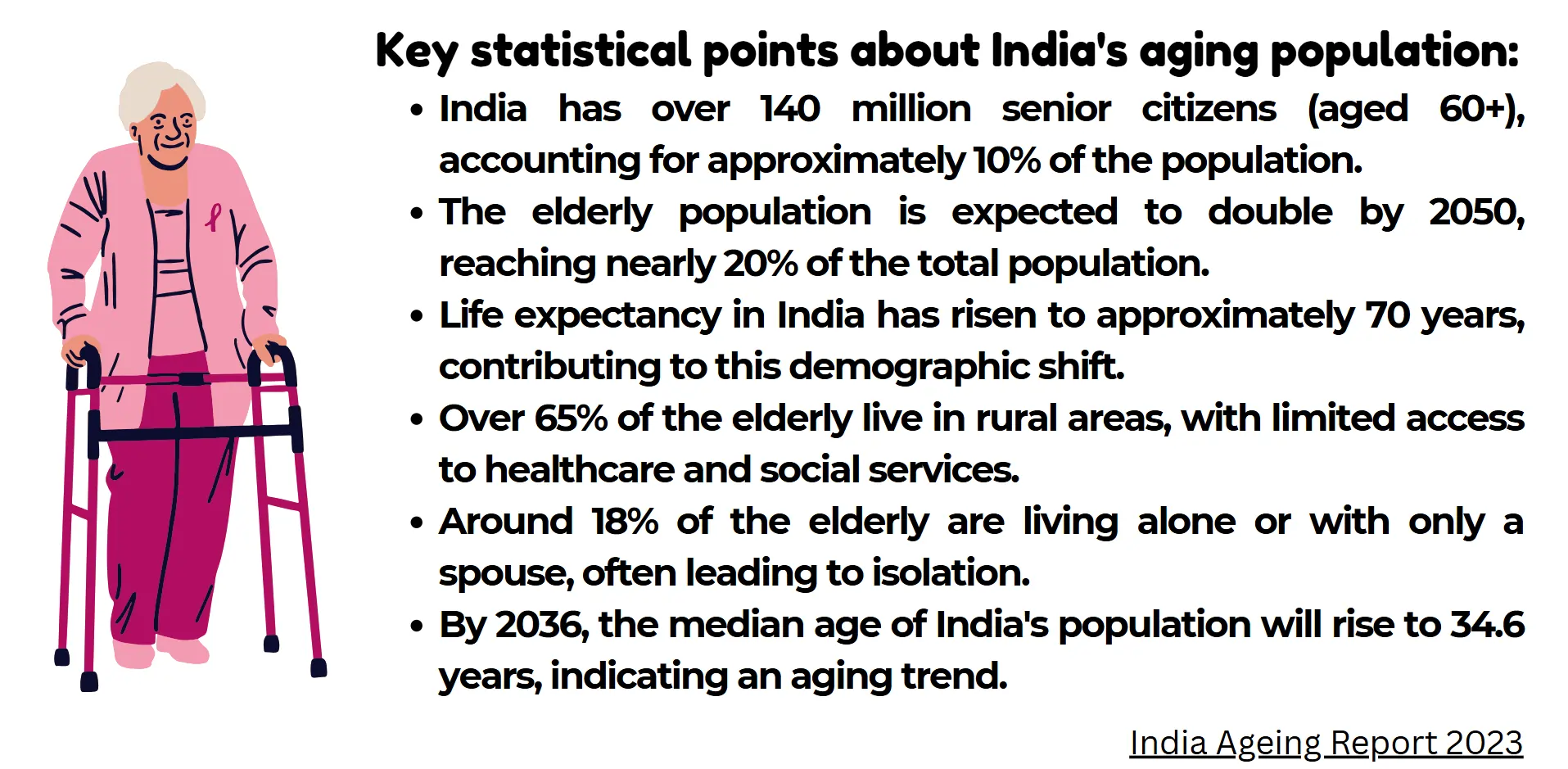

While extending human lifespan is exciting, it also raises important questions:
- Can healthcare systems support longer lifespans?
- What will be the economic impact of an aging population?
- Will life extension technologies be accessible to everyone?
These concerns highlight the need for balanced and inclusive approaches to longevity research.
What the Future Could Look Like

The future of human lifespan is no longer limited by traditional boundaries.
Scientists are exploring possibilities such as:
- Slowing down the aging process
- Enhancing cellular repair
- Extending healthy lifespan, not just years
The focus is shifting toward “living better for longer,” rather than simply increasing age.
Conclusion
The idea that humans may live beyond 100 years is no longer just a dream—it is becoming a scientific possibility.
As research continues to evolve, the future of aging could be redefined, offering longer, healthier, and more fulfilling lives.
👉 The real breakthrough is not just in adding years to life—but in adding life to those years.