







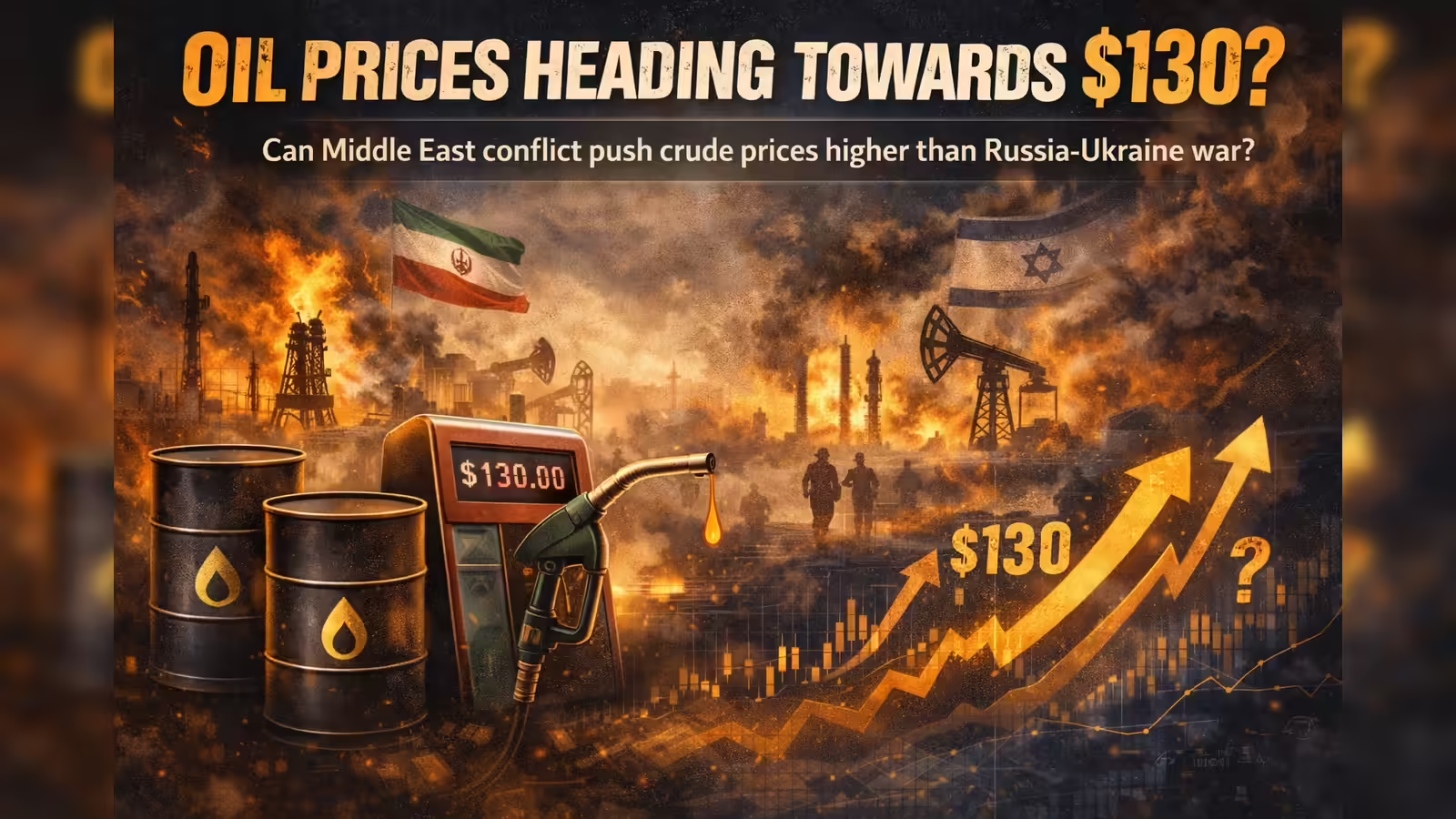
Rising geopolitical tensions in the Middle East have once again drawn global attention as developments surrounding Iran raise concerns about regional stability and energy markets. Analysts warn that escalating conflict risks in the region could impact global oil supply chains and influence international economic conditions.
The Middle East remains one of the most strategically important regions for global energy production. Any disruption in the region’s security environment can affect crude oil prices and international trade routes. Recent diplomatic and military developments involving Iran have therefore triggered reactions from governments, financial markets, and energy analysts worldwide.
Strategic Importance of the Persian Gulf
The Persian Gulf plays a crucial role in global energy supply. A large portion of the world’s oil exports passes through the Strait of Hormuz, a narrow maritime passage that connects the Persian Gulf to international waters.
Because of its strategic importance, any potential conflict in the region immediately raises concerns about shipping disruptions and oil price volatility. Global markets often respond quickly to such developments, reflecting uncertainty about future supply conditions.
Energy experts note that even small disruptions in the region can influence international oil prices due to the scale of exports handled through the Persian Gulf.
Impact on Global Oil Markets
Oil markets are particularly sensitive to geopolitical tensions in the Middle East. If conflicts escalate or shipping routes become unstable, global supply chains could face serious challenges.
Countries that depend heavily on imported energy resources may experience economic pressure if oil prices rise significantly. Industries such as transportation, manufacturing, and aviation are particularly vulnerable to fuel price fluctuations.
You can read more about recent developments affecting oil markets in this report on global oil prices reacting to Middle East tensions
Analysts say that energy markets will continue to monitor diplomatic developments closely in order to assess whether tensions will escalate further or move toward de-escalation.
International Diplomatic Efforts
Global leaders and international organizations are urging diplomatic dialogue to prevent the situation from escalating into a broader conflict. Many countries are emphasizing the importance of maintaining stability in the region due to its significance for global trade and energy security.
Diplomatic negotiations often play a crucial role in reducing tensions and preventing conflicts from disrupting international markets. Experts suggest that continued communication between regional powers and international stakeholders will be necessary to ensure stability.
Broader Implications for the Global Economy
Beyond energy markets, geopolitical tensions in the Middle East can influence global economic conditions in several ways. Investors tend to react quickly to uncertainty, which can affect stock markets, currency values, and commodity prices.
Rising energy costs could also contribute to inflation in some economies, particularly those that rely heavily on imported oil. Governments may therefore closely monitor developments in the region and adjust economic policies if necessary.
While the situation continues to evolve, analysts stress that maintaining regional stability is essential not only for the Middle East but also for the global economic system.
The coming weeks will likely determine whether diplomatic efforts can ease tensions or whether markets will face prolonged uncertainty due to geopolitical risks.
Global economic developments also influence domestic growth trends, particularly as India moves closer to becoming the world’s third-largest economy amid rising global trade opportunities.
Source: Reuters
Read More: Latest News
Read More Interesting Content in My Blog Section of ‘The Thrive Journey’.