







Global energy markets are facing renewed uncertainty as tensions near the Strait of Hormuz threaten to disrupt one of the most critical oil shipping routes in the world. The narrow waterway, located between Iran and Oman, handles nearly one-fifth of the world’s oil supply, making it a strategic chokepoint for global energy trade.
Recent military tensions in the region have raised fears that shipping traffic could face disruptions if the conflict escalates further. Several governments and shipping companies are closely monitoring developments after reports of increased naval patrols, drone surveillance, and heightened security alerts around the strait.
Energy analysts warn that even a temporary disruption to shipping through the Strait of Hormuz could trigger significant volatility in global oil prices and affect international supply chains.
Strategic Importance of the Strait of Hormuz
The Strait of Hormuz connects the Persian Gulf with the Gulf of Oman and the Arabian Sea. Every day, millions of barrels of crude oil and petroleum products pass through this narrow maritime corridor on their way to markets in Asia, Europe, and North America.
Major oil producers including Saudi Arabia, Iraq, Kuwait, the United Arab Emirates, and Iran rely heavily on the strait to export energy resources. Because of this strategic importance, any instability in the region can immediately influence global energy markets.
Security experts consider the Strait of Hormuz one of the most sensitive geopolitical flashpoints in the world. Military tensions in nearby regions have historically triggered concerns about the safety of commercial vessels passing through the waterway.
Shipping Companies Raise Security Concerns
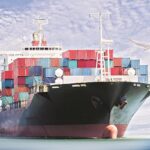
Several international shipping firms have reportedly increased security precautions for vessels traveling through the Persian Gulf region. Some companies are considering alternative routes or delaying shipments until the situation becomes clearer.
Insurance premiums for ships passing through high-risk areas have also increased, reflecting growing concerns among maritime operators.
Industry analysts say that disruptions in shipping routes could have a ripple effect across global supply chains, particularly for countries heavily dependent on imported energy resources.
According to global shipping security assessments for the Strait of Hormuz, maritime authorities are increasing surveillance and coordination to ensure safe passage for commercial vessels.
Naval Presence Expands in the Region
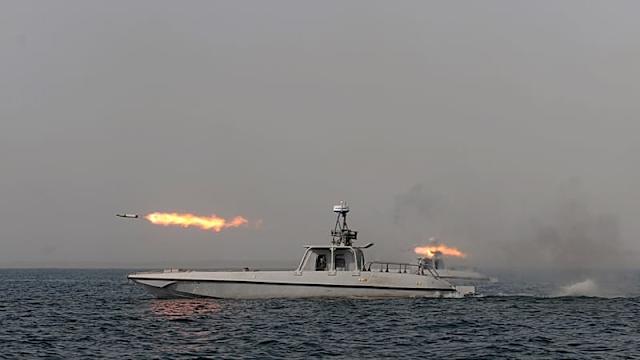
In response to rising tensions, several countries have deployed additional naval assets to monitor and secure international shipping lanes in the Persian Gulf and surrounding waters.
Naval patrols are intended to deter attacks on commercial vessels and provide rapid response capabilities in case of security incidents. Warships and reconnaissance aircraft are reportedly conducting surveillance operations to track potential threats in the region.
Military officials emphasize that maintaining open shipping routes is essential for global economic stability. As a result, international cooperation among naval forces has increased to ensure safe navigation through the Strait of Hormuz.
Global Oil Prices React to Uncertainty
Energy markets are extremely sensitive to geopolitical developments in major oil-producing regions. News of potential disruptions near the Strait of Hormuz has already caused fluctuations in global oil prices as traders react to uncertainty.
Even small disruptions to shipping can reduce the flow of oil to global markets, leading to price volatility.
Economic analysts note that rising oil prices can have widespread consequences for the global economy, including increased transportation costs, higher inflation, and pressure on energy-dependent industries.
Countries that rely heavily on imported energy are particularly vulnerable to sudden price increases triggered by geopolitical tensions.
Energy Security Becomes Global Priority
The latest developments have once again highlighted the importance of energy security for governments around the world. Several countries are accelerating efforts to diversify energy sources and reduce dependence on vulnerable shipping routes.
Investments in renewable energy, strategic oil reserves, and alternative transportation infrastructure are increasingly seen as essential strategies for managing geopolitical risks.
At the same time, international organizations continue to advocate diplomatic solutions that could reduce tensions in critical maritime regions.
Wider Conflict Could Affect Global Trade
The situation surrounding the Strait of Hormuz is closely linked to broader regional tensions across the Middle East. Analysts warn that if conflicts expand further, the impact could extend beyond energy markets to affect global trade and shipping networks.
These developments follow recent regional instability discussed in our report Iran-Backed Militias Launch Attacks in Iraq as Middle East War Threatens to Expand, highlighting how interconnected conflicts across the region are influencing global security dynamics.
For now, governments, shipping companies, and energy markets remain on high alert as they assess whether the current tensions will stabilize or escalate further.
The latest developments follow regional tensions discussed in our report Iran-Backed Militias Launch Attacks in Iraq as Middle East War Threatens to Expand, which highlighted the growing instability across the Middle East.
Source: Reuters
Read More: Latest News
Read More Interesting Content in My Blog Section of ‘The Thrive Journey’.