









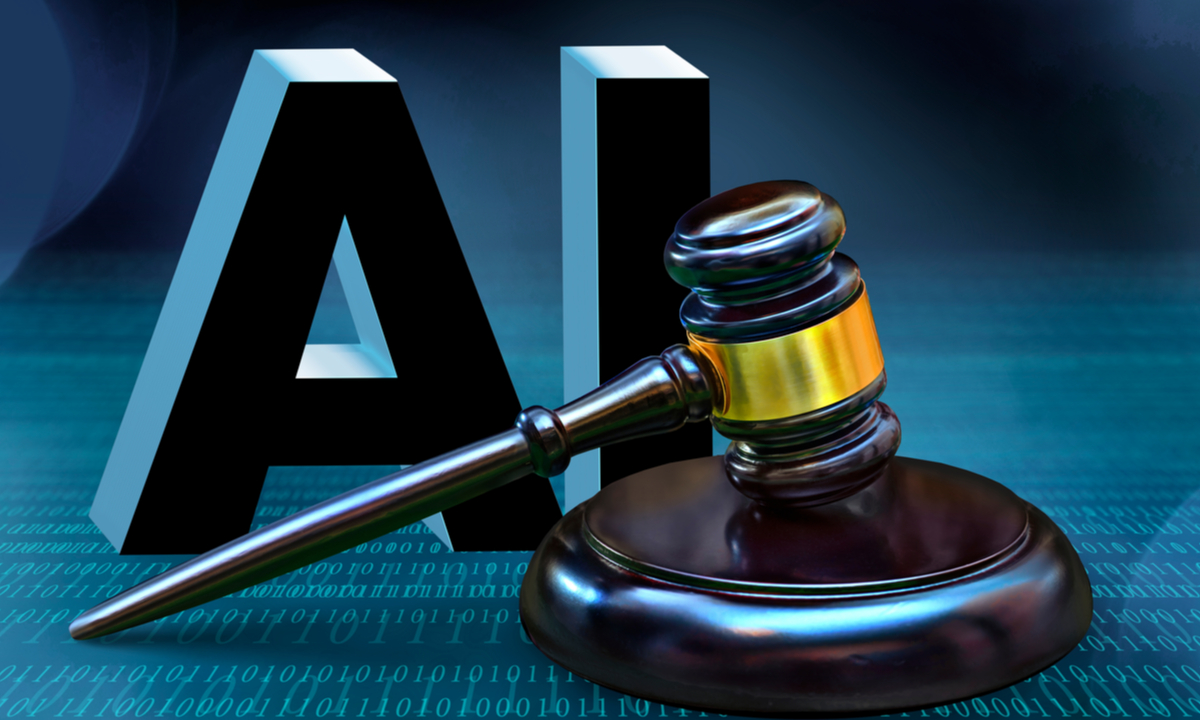
Governments across major economies are accelerating efforts to regulate artificial intelligence as its adoption spreads rapidly across industries. New policy proposals focus on transparency, accountability, and national security, reflecting growing concern over unchecked AI deployment. The global push signals a shift from innovation-first thinking to tighter oversight.
Governments Shift From Promotion to Regulation
Artificial intelligence is entering a new phase globally as governments move from encouraging innovation to enforcing stronger regulatory oversight. Over the past year, AI tools have been adopted widely across sectors including finance, healthcare, defence, education, and media. While these technologies have boosted efficiency, they have also raised serious concerns around data misuse, misinformation, job displacement, and national security risks.
As a result, policymakers in the United States, Europe, and parts of Asia are now prioritising frameworks that define how AI systems should be built, deployed, and monitored. Officials argue that without guardrails, AI could outpace existing legal systems, creating long-term societal and economic challenges.
Key Areas Under Regulatory Focus
The new wave of proposed regulations highlights several areas of concern shared by governments worldwide. These include transparency in AI decision-making, accountability for automated outcomes, and safeguards against misuse.
Key regulatory focus points include:
Mandatory disclosure when AI systems are used in decision-making
Clear liability rules for AI-generated harm
Restrictions on high-risk applications such as facial recognition
Protection of personal data used to train AI models
Experts say these measures aim to strike a balance between innovation and public trust, ensuring AI benefits society without undermining fundamental rights.
Tech Industry Pushback and Adaptation
Major technology companies have responded cautiously to the regulatory push. While publicly supporting responsible AI development, many firms have warned that overly restrictive rules could slow innovation and disadvantage smaller players.
Industry leaders are lobbying for global coordination to avoid fragmented regulations that could complicate cross-border operations. At the same time, several companies have begun adjusting internal policies, investing in AI safety teams, and publishing transparency reports to align with emerging expectations.
Analysts note that regulation may ultimately benefit the sector by reducing uncertainty and building long-term confidence among users and investors.

Why This Matters Globally
The global AI regulatory shift reflects a broader recognition that technology governance must evolve alongside innovation. As AI systems increasingly influence economic outcomes, public discourse, and security decisions, governments are under pressure to act proactively rather than react to crises.
For developing economies, the challenge will be adopting safeguards without stifling growth. For advanced economies, the focus remains on maintaining leadership while ensuring ethical deployment. The outcome of current policy debates could define how AI shapes global society for decades to come.