








EV Adoption Accelerates Across India
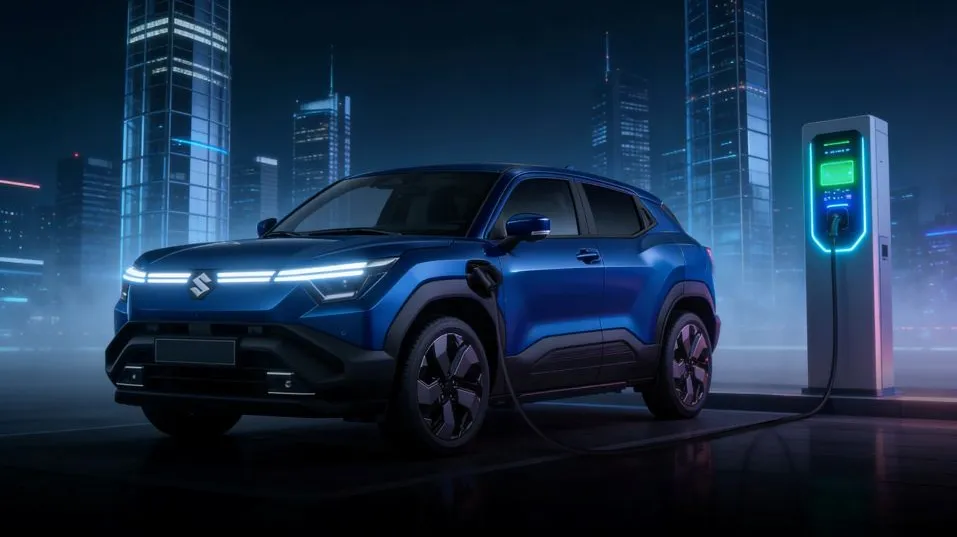
India has witnessed a sharp increase in EV sales over the past few years. Government initiatives such as subsidies, tax benefits, and the Faster Adoption and Manufacturing of Electric Vehicles (FAME) scheme have played a major role in driving this growth.
Automakers are now aggressively expanding their EV portfolios, offering electric cars, scooters, and commercial vehicles tailored for Indian consumers.
Key drivers behind this surge include:
- Rising petrol and diesel costs
- Lower running and maintenance expenses of EVs
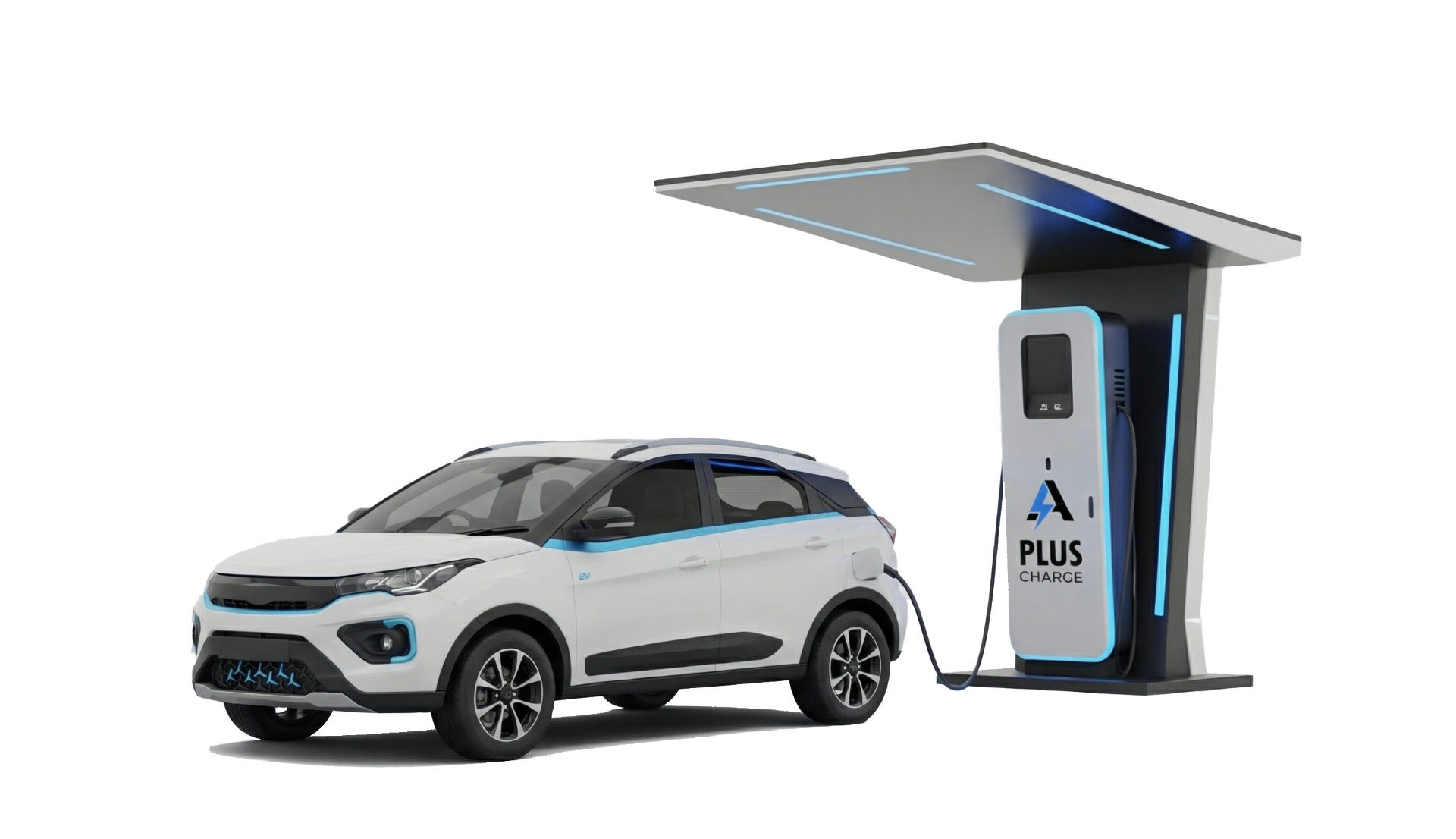
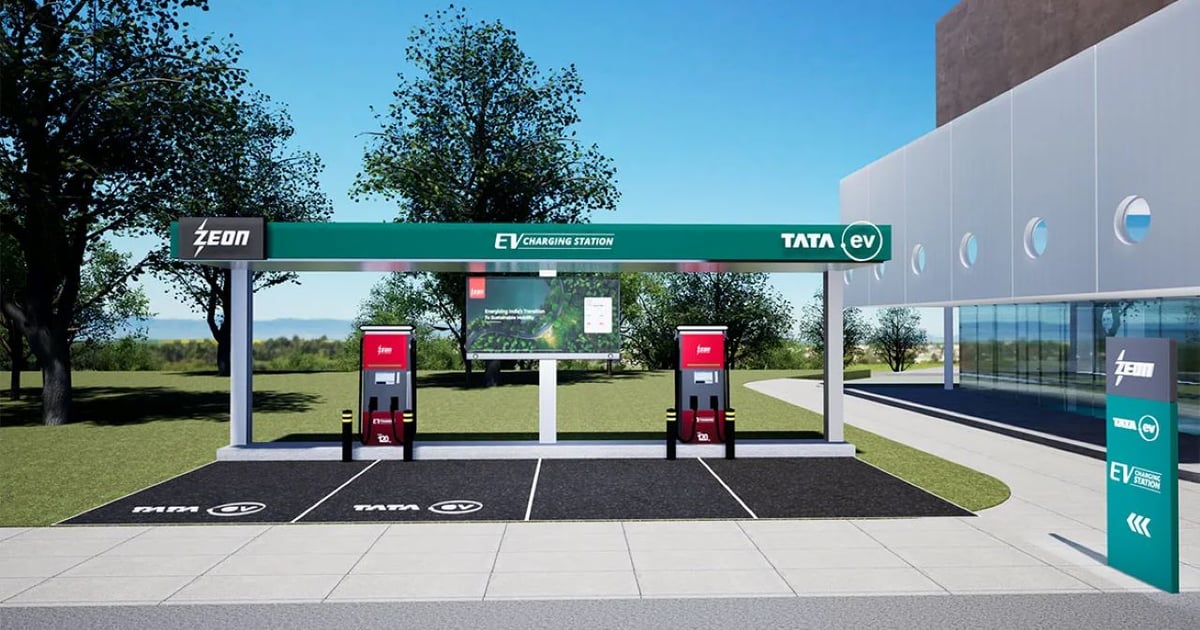
- Growing charging infrastructure
- Strong push toward sustainability
Government Policies Fuel the Transition

The Indian government has been actively promoting electric mobility as part of its long-term environmental strategy. Policies supporting EV manufacturing, battery production, and charging infrastructure are helping create a strong ecosystem.
In addition, several state governments are offering incentives such as:
- Road tax exemptions
- Purchase subsidies
- Reduced registration fees
These measures are making EVs more affordable and attractive to a wider population.
Automobile Industry Responds with Innovation
The automobile industry is responding rapidly to this shift. Companies like Tesla, along with Indian manufacturers, are investing heavily in battery technology, range improvements, and smart vehicle features.
Modern EVs now offer:
- Longer driving ranges
- Faster charging times
- Smart connectivity and digital dashboards
- Lower environmental impact
This innovation is making EVs not just an alternative, but a preferred choice for many buyers.
Challenges Still Remain
Despite the rapid growth, several challenges continue to slow down full-scale adoption:
- Limited charging infrastructure in rural areas
- High upfront cost of EVs
- Battery replacement concerns
- Range anxiety among consumers
Addressing these issues will be critical in ensuring sustained growth of the EV market.
What This Means for the Future
The transition toward electric mobility is not just about vehicles—it represents a larger shift toward sustainable living and clean energy.
“This rapid shift toward intelligent and sustainable systems also reflects broader technological transformations, as seen in India’s advancements in next-generation defence technologies.”
At the same time, EV growth is closely linked with advancements in AI and smart systems.
“The integration of smart technology in vehicles also connects with the broader role of artificial intelligence in daily life, where machines are becoming more intuitive and responsive.”
Conclusion
India’s electric vehicle revolution is gaining unstoppable momentum. While challenges remain, the direction is clear—electric mobility is not just the future; it is already reshaping the present.
As infrastructure improves and technology advances, the question is no longer if EVs will replace traditional vehicles—but when.