








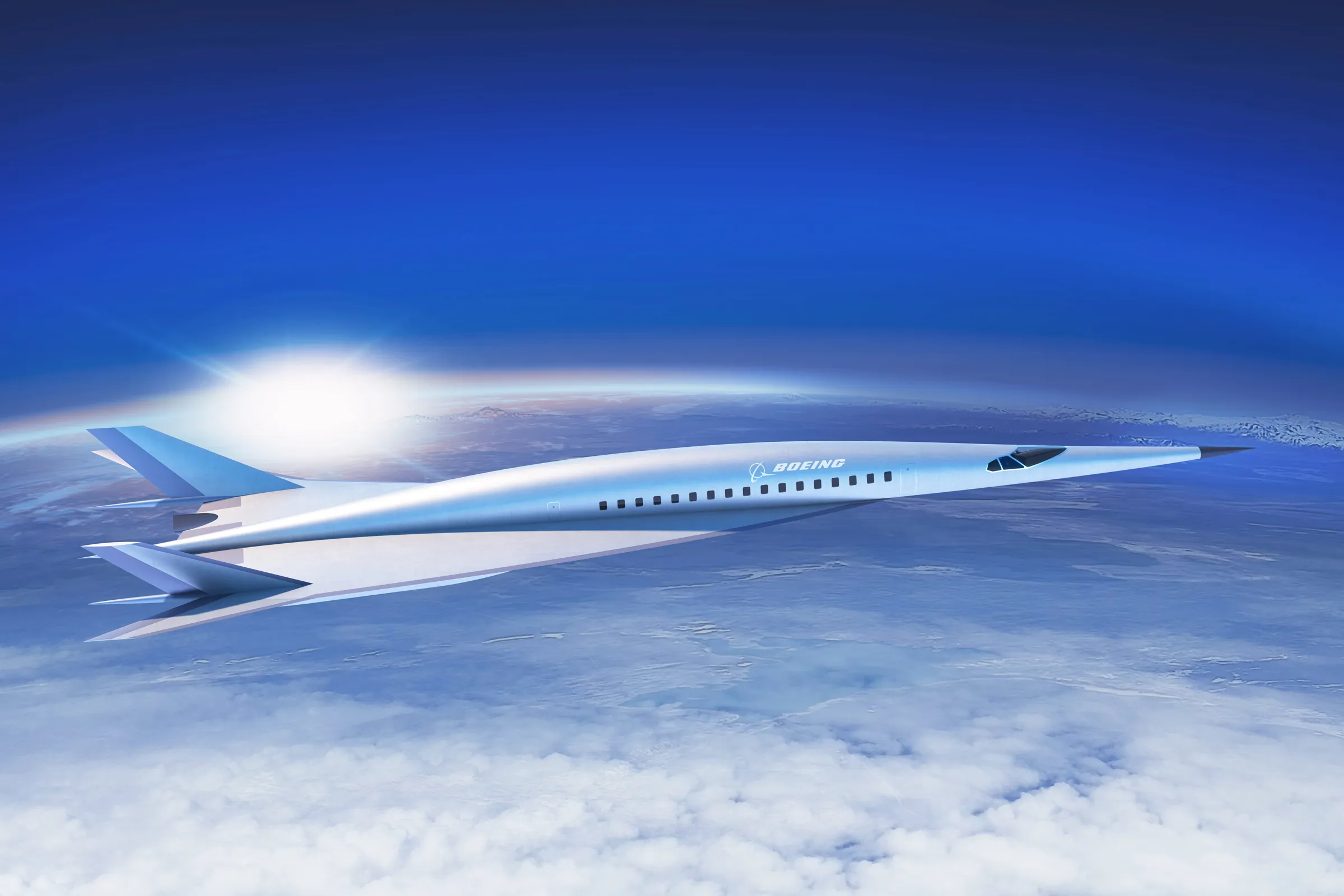
China has reportedly conducted tests of a new hypersonic aircraft capable of traveling at extremely high speeds, potentially allowing it to reach any point on Earth within just a few hours. The development has drawn significant attention from global defense analysts and aerospace experts, as hypersonic technology is considered one of the most transformative advancements in modern aviation.
Hypersonic aircraft are designed to travel at speeds exceeding Mach 5, which is five times the speed of sound. At such speeds, a vehicle could theoretically travel from Asia to North America in less than two hours. This emerging technology is expected to revolutionize both military strategy and future global transportation systems.
What Makes Hypersonic Aircraft Different
Unlike traditional aircraft, hypersonic vehicles operate at speeds that generate extremely high temperatures due to friction with the atmosphere. This requires specialized materials capable of withstanding intense heat and pressure.
These aircraft often rely on scramjet engines, which use the vehicle’s high speed to compress incoming air before combustion. This technology eliminates the need for heavy onboard oxygen tanks, allowing the aircraft to achieve extraordinary velocities.
Researchers say the latest Chinese test demonstrates significant progress in overcoming some of the biggest engineering challenges associated with hypersonic flight.
Strategic Implications of Hypersonic Technology
The development of hypersonic aircraft has major strategic implications. Because of their extreme speed and maneuverability, hypersonic vehicles are much harder to detect and intercept than conventional aircraft or missiles.
Military experts believe that hypersonic platforms could change the balance of global defense systems. Countries including the United States, Russia, and China have all invested heavily in hypersonic research over the past decade.
The technology could allow aircraft to travel across continents in extremely short time frames, potentially transforming both military logistics and rapid-response capabilities.
Potential Civilian Applications
Although current hypersonic research is largely focused on defense, scientists believe the technology could eventually reshape commercial aviation.
In the future, hypersonic passenger aircraft could drastically reduce travel times between continents. A flight from Beijing to New York, which currently takes more than 13 hours, could theoretically be completed in under two hours.
However, significant challenges remain before such aircraft become commercially viable. These include extreme fuel requirements, safety concerns, and the need for new infrastructure capable of supporting hypersonic operations.
The Global Hypersonic Race
The race to develop hypersonic technology has intensified in recent years. Several countries are competing to achieve breakthroughs that could provide both military advantages and technological leadership.
China’s recent test highlights the rapid pace of innovation in this field. While many details about the aircraft remain classified, the successful test suggests that hypersonic technology may become a central feature of future aerospace development.
Experts believe the coming decade could see major advancements in this area, potentially ushering in a new era of ultra-fast travel and advanced aerospace capabilities.
Global technological competition is accelerating across multiple sectors, similar to the rapid developments seen in major artificial intelligence innovations shaping the future of global technology.
Source: Reuters
Read More: Latest News
Read More Interesting Content in My Blog Section of ‘The Thrive Journey’.