






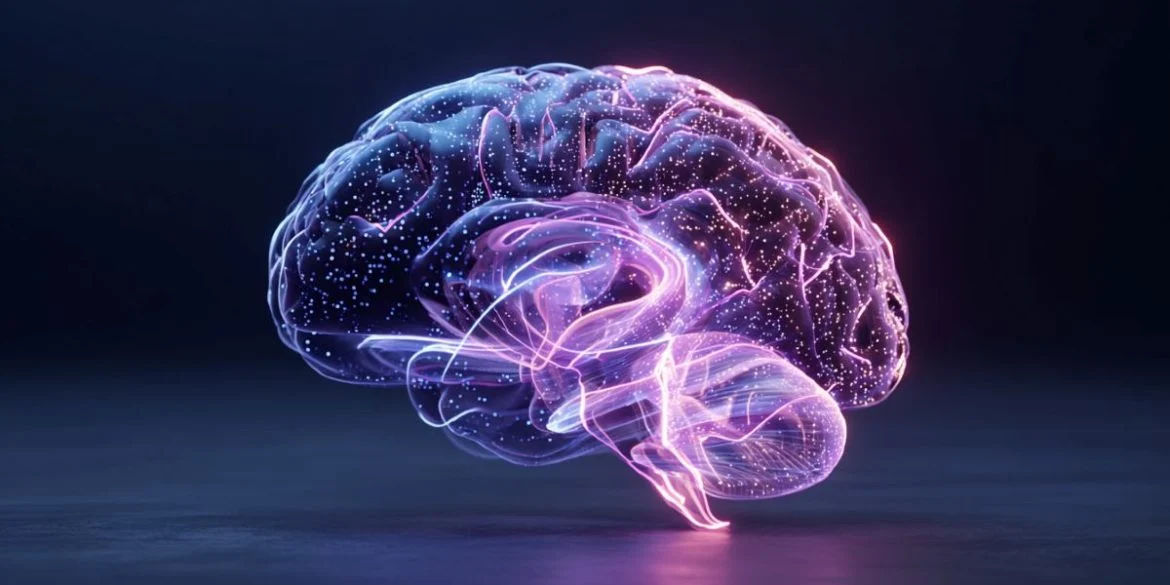
What Is a Brain-Computer Interface?

A Brain-Computer Interface is a system that captures brain signals and converts them into commands for external devices.
In simple terms:
👉 Your thoughts can control machines—without using your hands or voice.
BCIs work by:
- Detecting electrical signals from the brain
- Translating them into digital commands
- Sending those commands to computers, prosthetics, or other devices
Companies like Neuralink are leading this field, aiming to create seamless interaction between humans and technology.
⚡ Real-World Applications Are Already Emerging
BCIs are no longer just experimental—they are already being used in real-world scenarios.
Key applications include:
- Helping paralyzed patients move robotic limbs
- Enabling communication for people with speech disabilities
- Controlling computers using brain signals
- Restoring limited vision or hearing
These breakthroughs are transforming healthcare and redefining human capability.
🚀 From Medical Tool to Human Enhancement
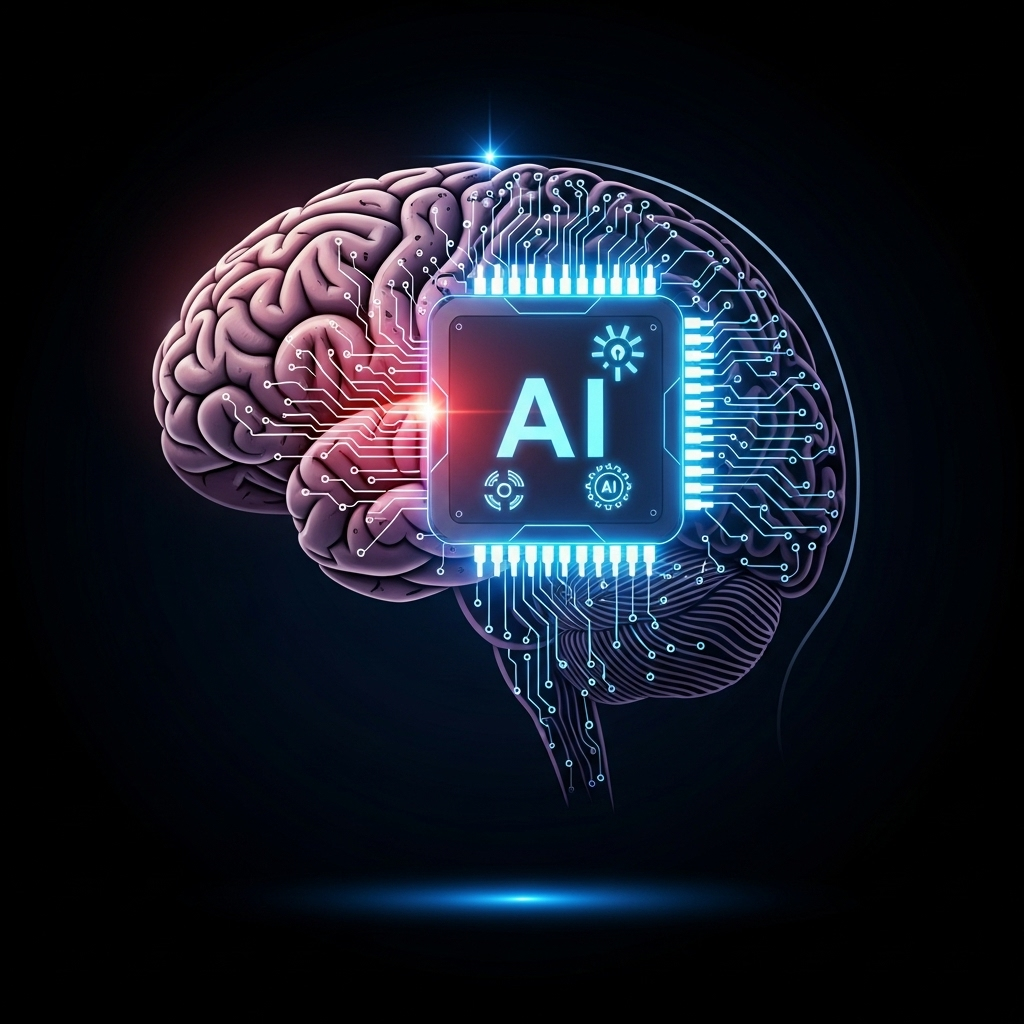
While BCIs are currently focused on medical use, their future may go far beyond treatment.
Experts believe BCIs could eventually allow humans to:
- Access information instantly
- Enhance memory and learning speed
- Communicate without speaking
- Integrate directly with AI systems
👉 This raises a powerful idea:
Humans may not just use technology—we may become part of it.
⚠️ Risks and Ethical Concerns
As exciting as this technology is, it comes with serious concerns.
Key issues include:
- Privacy of thoughts and brain data
- Risk of hacking or misuse
- Ethical questions about human enhancement
- Inequality in access to such technologies
According to insights reported by Reuters, global discussions on regulating neural technologies are already underway.
🧠 A Deeper Question: What Does It Mean to Be Human?
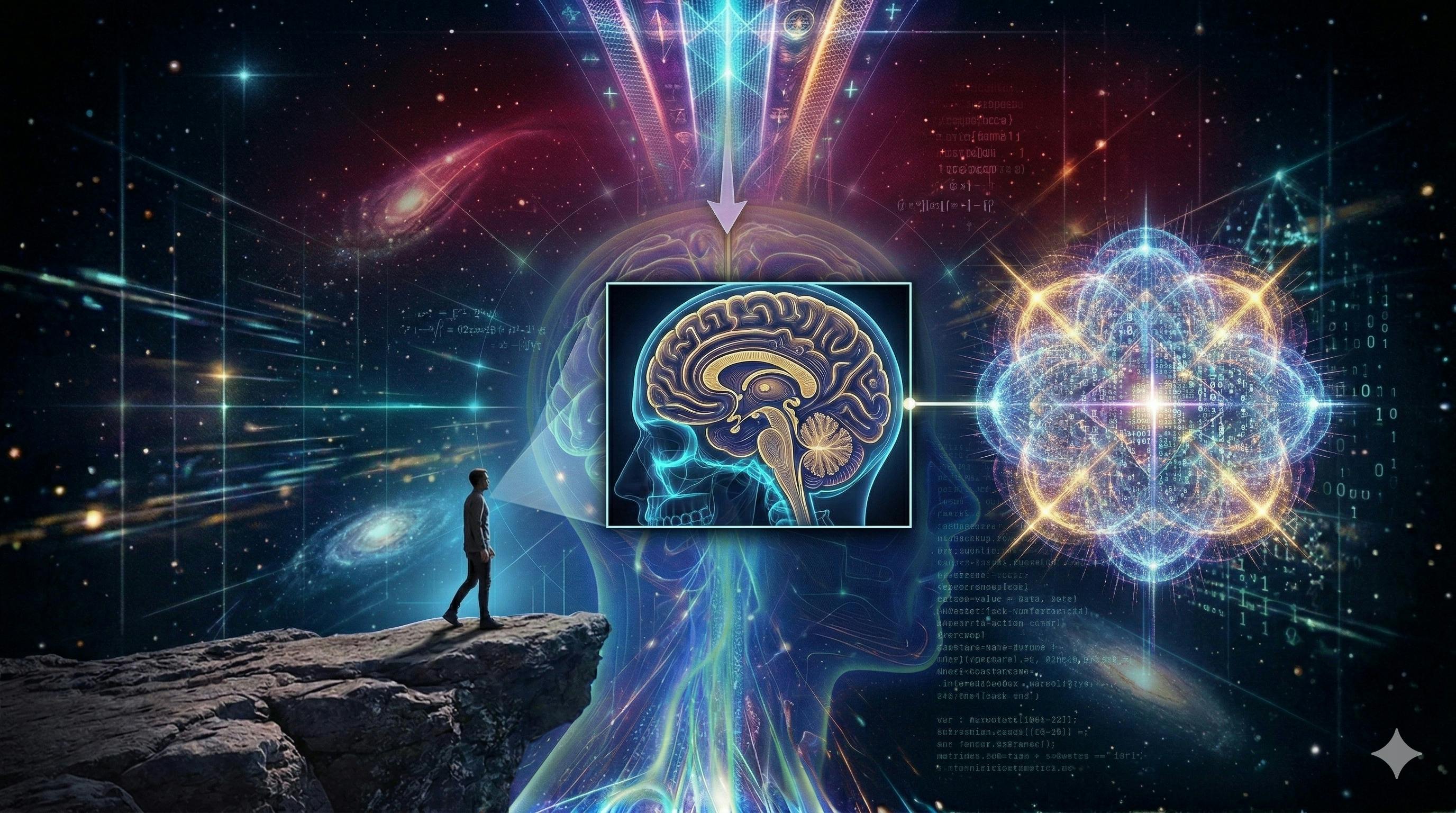
Brain-computer interfaces are not just technological—they are deeply philosophical.
👉 If thoughts can be accessed, shared, or enhanced…
👉 Where does human identity begin and end?
“This transformation in how we interact with technology also reflects broader changes in human behavior, as seen in our coverage of people gradually stepping away from digital platforms.”
At the same time, understanding the mind itself becomes even more important.
“To explore deeper questions about awareness and the human mind, read our detailed article on human consciousness and the brain.”
🔮 What Lies Ahead

The future of BCIs could redefine how we live, work, and think.
Possible future scenarios:
- Hands-free digital interaction
- Instant communication through thought
- Brain-controlled environments
- New forms of intelligence and learning
✨ Conclusion
Brain-Computer Interfaces represent one of the most revolutionary advancements of our time. They blur the line between human and machine, opening possibilities that were once unimaginable.
👉 The future is not just about smarter machines—
👉 It may be about enhanced humans.