









Where AI Is Replacing Jobs the Fastest
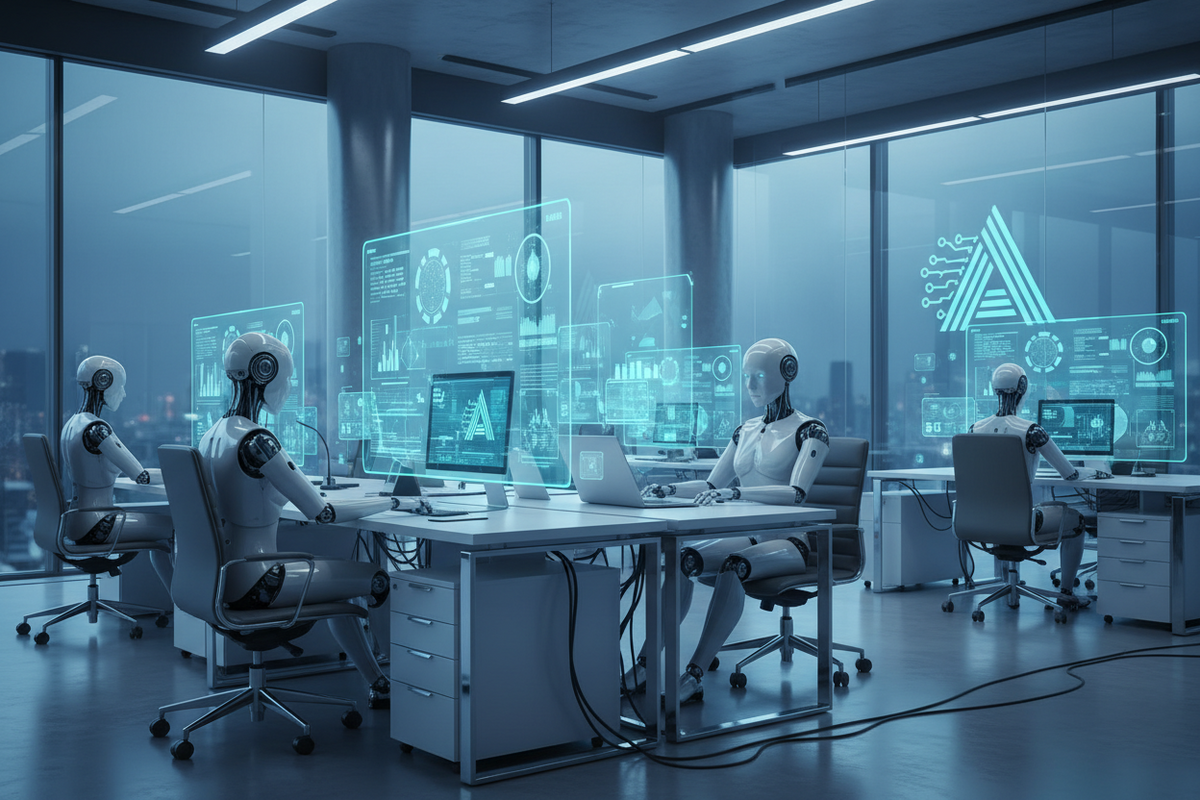
AI is rapidly transforming multiple sectors, especially those involving repetitive or data-driven tasks.
Industries most affected include:
- Customer service (chatbots replacing support agents)
- Content creation and data entry
- Manufacturing and logistics
- Financial analysis and reporting
Companies are turning to AI because it offers:
- Lower operational costs
- Faster processing
- 24/7 availability
- Reduced human error
This shift is not gradual—it is accelerating faster than many experts predicted.
📉 The Hidden Impact on Employment

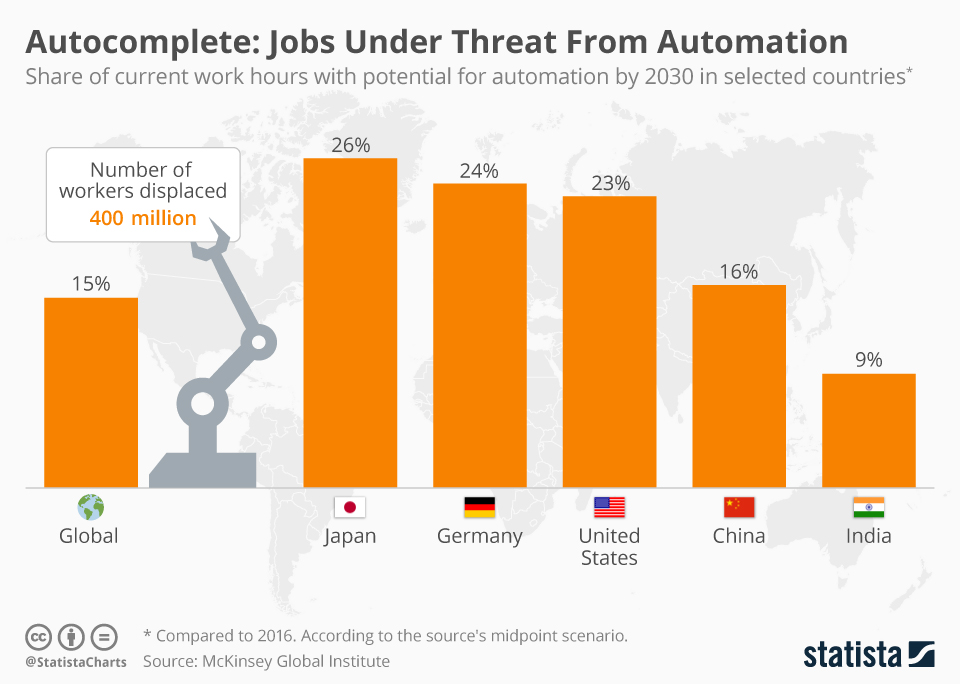
While official job loss numbers may not always reflect it immediately, a hidden transformation is underway.
Instead of mass layoffs, many companies are:
- Slowing down hiring
- Replacing roles gradually
- Automating tasks within existing jobs
According to insights from Reuters, global discussions around AI’s impact on employment are intensifying as businesses restructure their workforce strategies.
⚖️ Jobs Lost vs Jobs Created
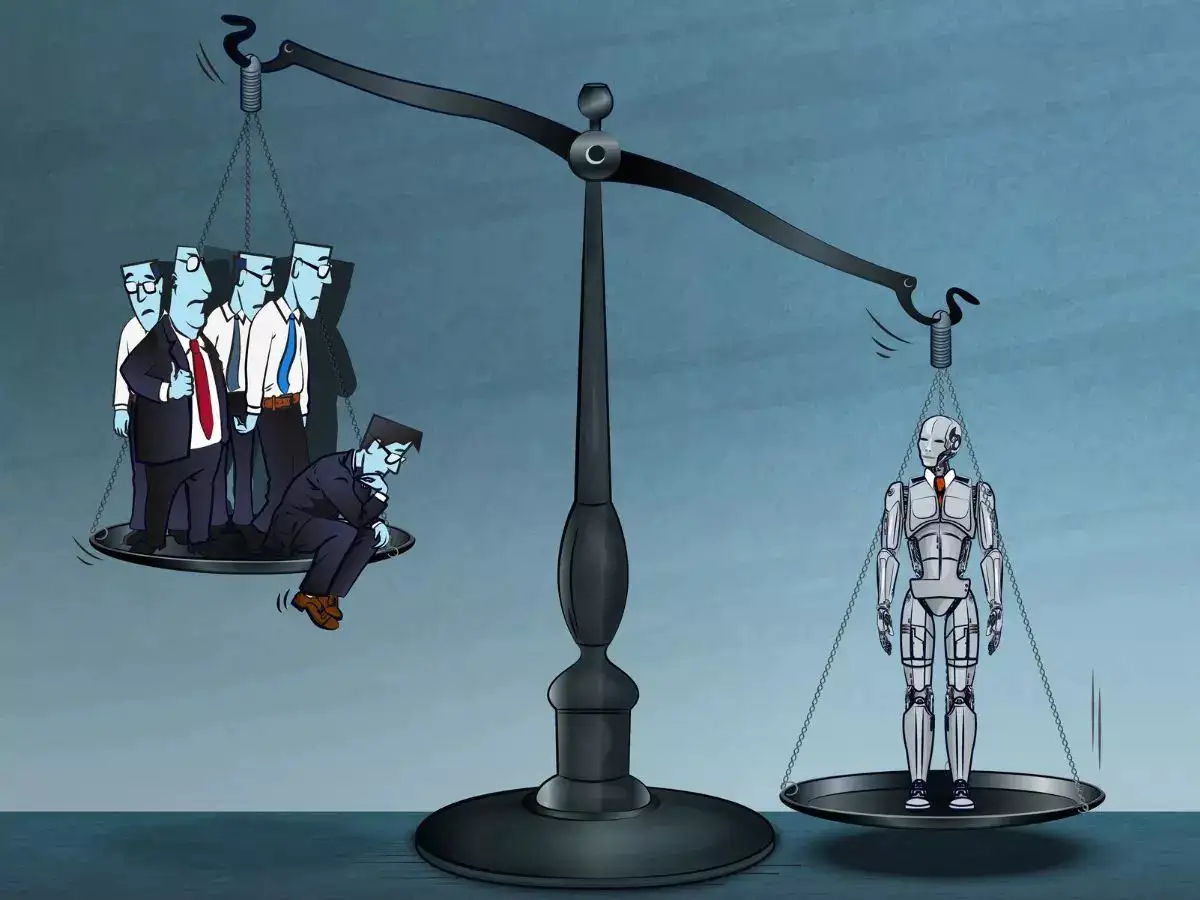
It’s important to note that AI is not only eliminating jobs—it is also creating new ones.
Emerging roles include:
- AI specialists and engineers
- Data analysts and AI trainers
- Cybersecurity experts
- Human-AI interaction designers
However, the challenge lies in the transition:
👉 Jobs are being lost faster than new skills are being developed.
🧠 The Psychological Impact of Job Uncertainty
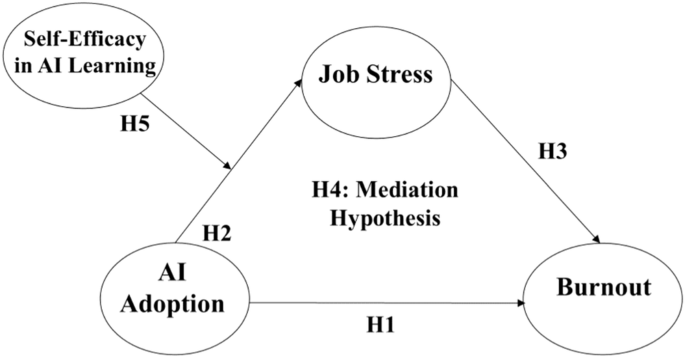
Beyond economics, AI-driven job shifts are also affecting mental well-being.
People are experiencing:
- Fear of job insecurity
- Pressure to constantly upskill
- Anxiety about the future
“This growing uncertainty reflects deeper changes in how humans think and adapt, similar to the behavioral shifts discussed in our report on people moving away from social media.”
At the same time, the nature of intelligence itself is being redefined.
“Understanding the difference between human awareness and machine intelligence becomes crucial, as explored in our article on human consciousness and the brain.”
🚀 How People and Businesses Can Adapt
Adapting to this shift is essential.
Experts suggest focusing on:
- Continuous learning and upskilling
- Developing creative and critical thinking skills
- Embracing AI as a tool, not a threat
- Exploring new career paths aligned with technology
The future workforce will not be defined by job titles—but by adaptability.
🔮 What the Future of Work Might Look Like

The future is not necessarily about AI replacing humans completely—but about collaboration between humans and machines.
Possible future trends:
- AI handling routine tasks
- Humans focusing on creativity and decision-making
- Hybrid workplaces combining automation and human insight
✨ Conclusion
AI replacing jobs is not a distant possibility—it is already happening. But this shift also presents an opportunity to redefine work, skills, and human potential.
👉 The real challenge is not stopping AI—
👉 It is learning how to evolve alongside it.