







How AI Is Detecting Diseases Early

Artificial intelligence systems are now being trained on massive datasets of medical records, imaging scans, and genetic information. These systems can identify patterns that are often invisible to human doctors.
Organizations like the World Health Organization have highlighted how AI can significantly improve early diagnosis, especially in diseases like cancer, heart conditions, and neurological disorders.
AI tools can analyze:
- X-rays, MRIs, and CT scans with high precision
- Blood test reports and genetic markers
- Patient history and lifestyle data
In many cases, these systems are detecting abnormalities months or even years before symptoms begin, giving doctors a crucial advantage in treatment planning.
From Treatment to Prevention: A Major Shift
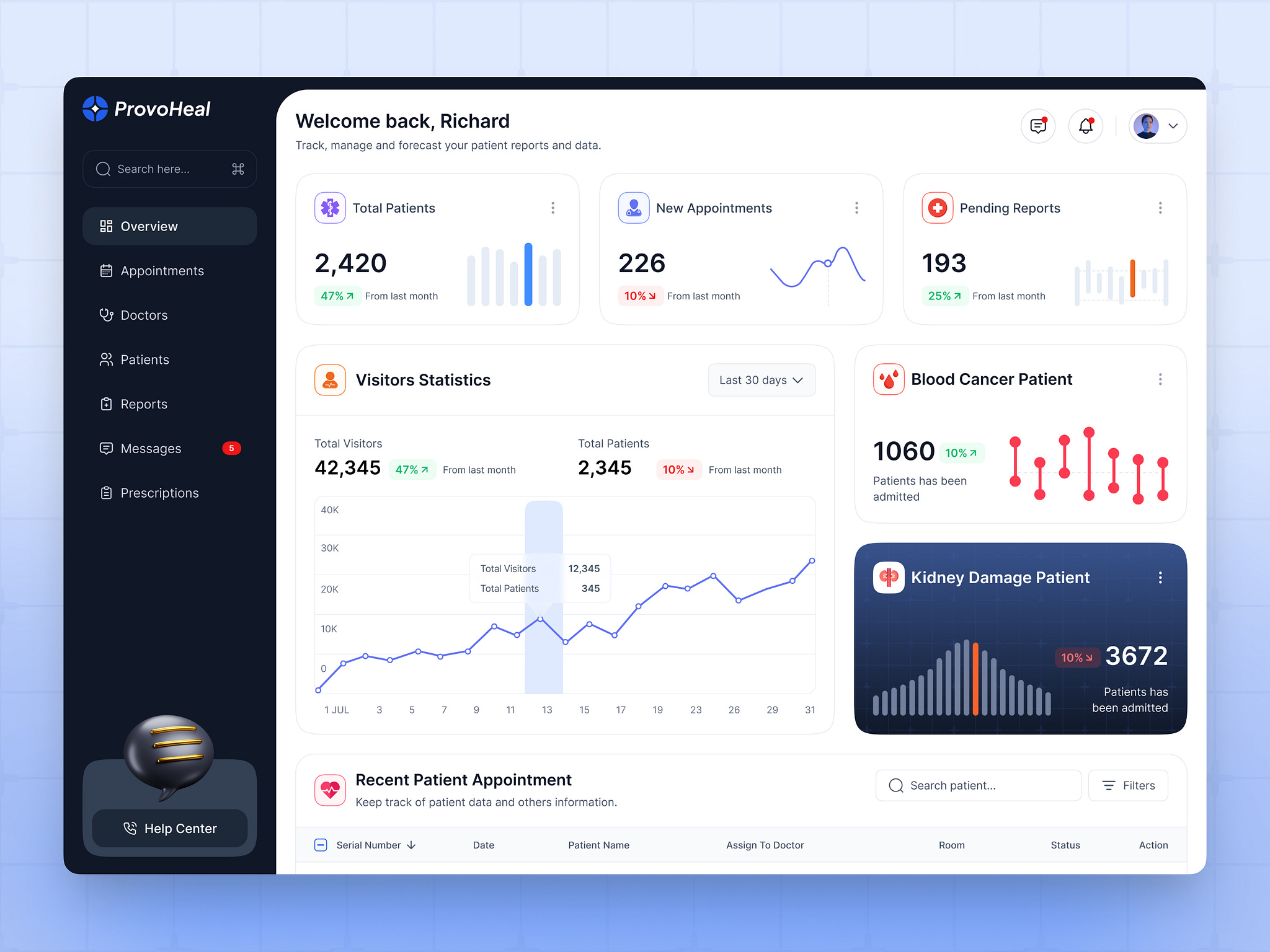
Traditionally, healthcare systems have focused on treating diseases after they appear. AI is changing this model by enabling predictive healthcare, where risks are identified early and preventive measures are taken.
This shift means:
- Early-stage disease management
- Reduced treatment costs
- Better survival rates
- Personalized healthcare plans
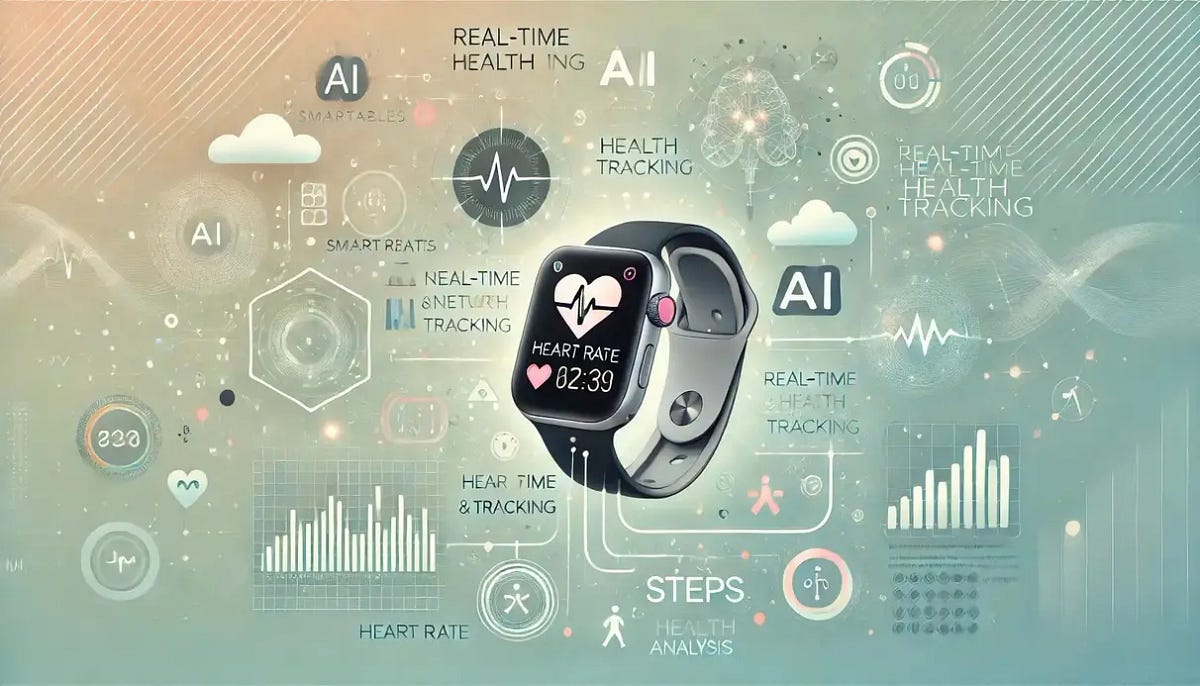
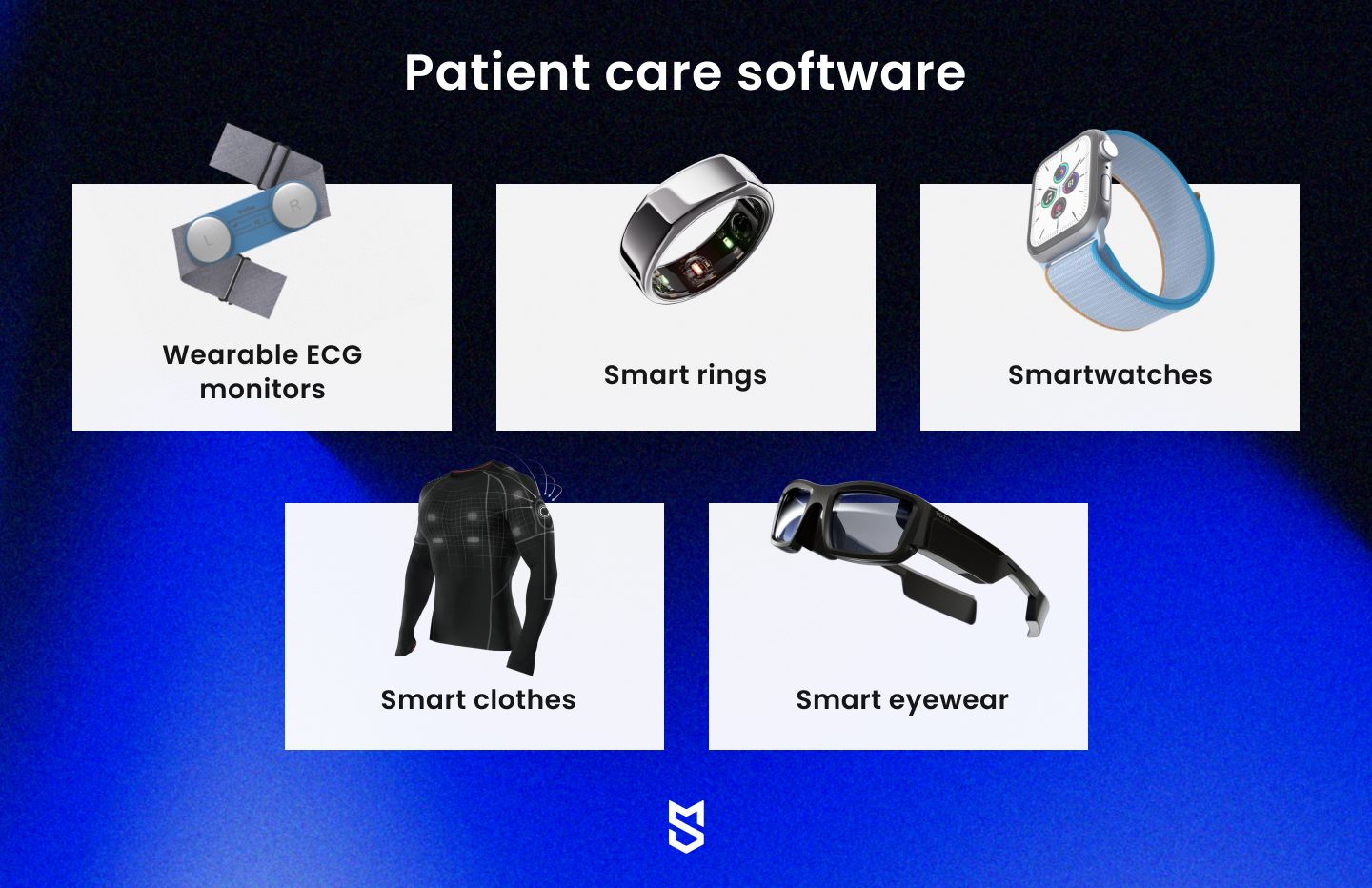
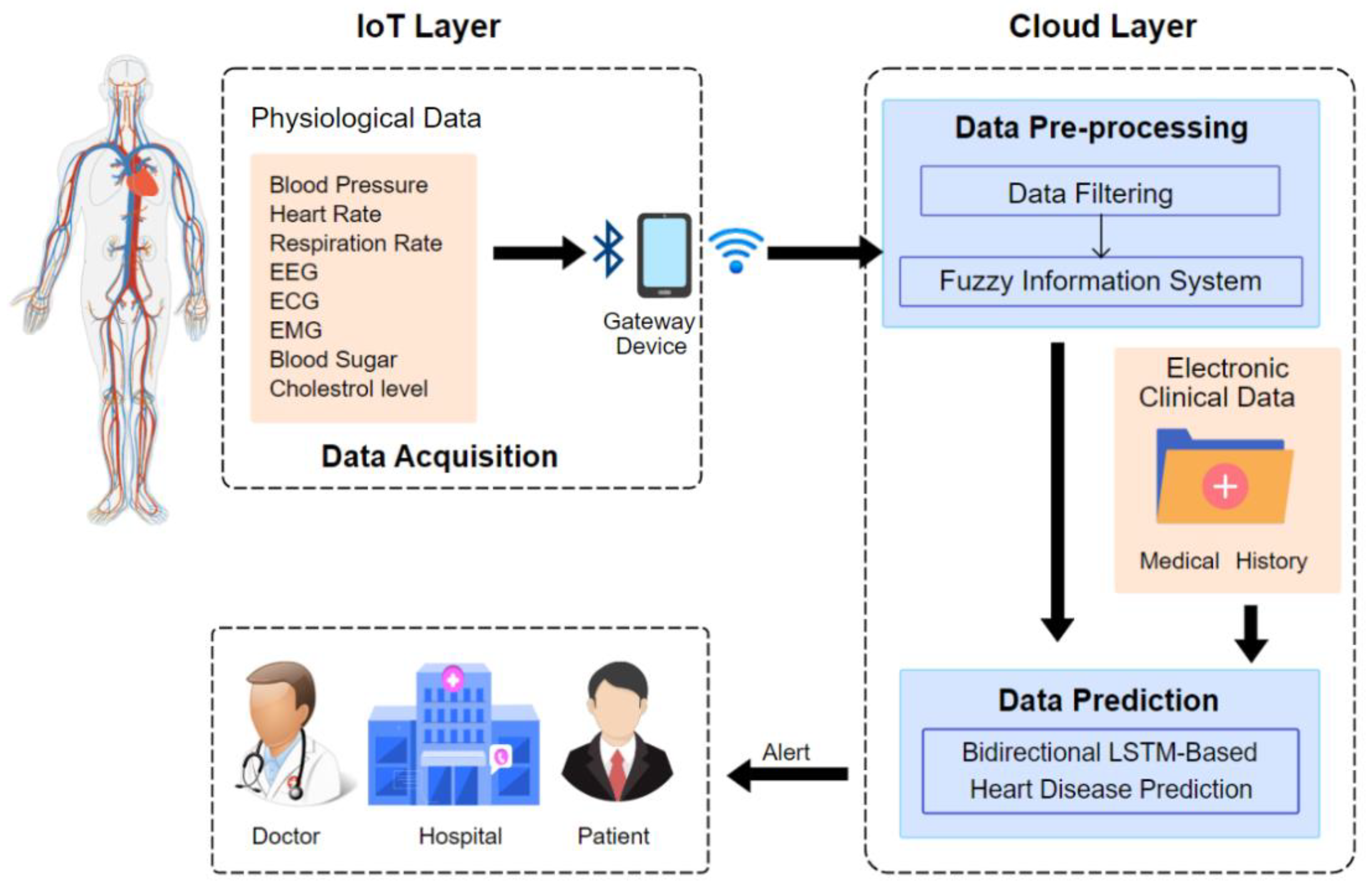
Wearable devices and smart health monitors are also playing a key role by continuously tracking vital signs and feeding real-time data into AI systems.
Real-World Applications Already Showing Results

AI is already being used in several real-world medical applications:
- Early cancer detection through imaging analysis
- Prediction of heart disease risks based on patient data
- AI-assisted robotic surgeries with higher precision
- Virtual health assistants for remote diagnosis
Hospitals across the world are beginning to integrate these technologies into their systems, improving both accuracy and efficiency.
Impact on Everyday Life
AI in healthcare is not limited to hospitals—it is gradually becoming part of everyday life.
“This transformation in healthcare directly connects with the broader role of artificial intelligence in daily life, as explored in our detailed guide on real-world AI applications.”
From fitness trackers to smartwatches, individuals now have access to tools that can monitor their health continuously and alert them to potential risks.
This empowers people to take control of their health in ways that were not possible before.
Challenges and Ethical Considerations
Despite its advantages, the use of AI in healthcare also raises important concerns:
- Data privacy and security
- Ethical use of patient information
- Dependence on technology over human judgment
- Accessibility in developing regions
Experts stress that while AI can support doctors, it should not replace human decision-making entirely.
What This Means for the Future
The integration of AI into medical science signals a future where healthcare becomes more proactive, personalized, and accessible.
As research continues and technology improves, AI could:
- Detect diseases at their earliest stages
- Provide real-time health insights
- Enable remote healthcare access worldwide
- Reduce the burden on healthcare systems
Conclusion
The ability of AI to detect diseases before symptoms appear is one of the most promising advancements in modern medicine. It has the potential to redefine healthcare, shifting the focus from treatment to prevention and giving humanity a powerful tool to fight diseases more effectively.