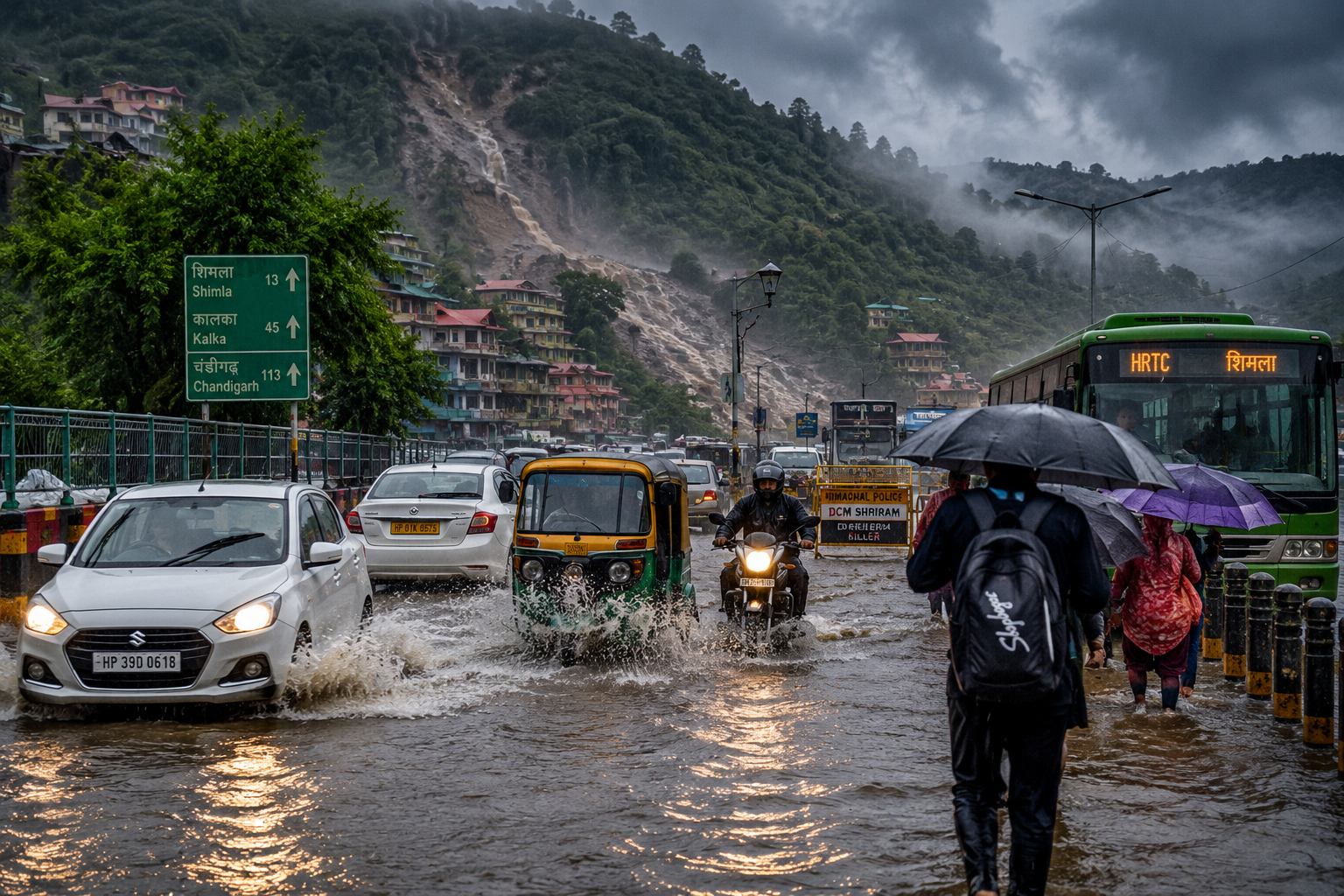







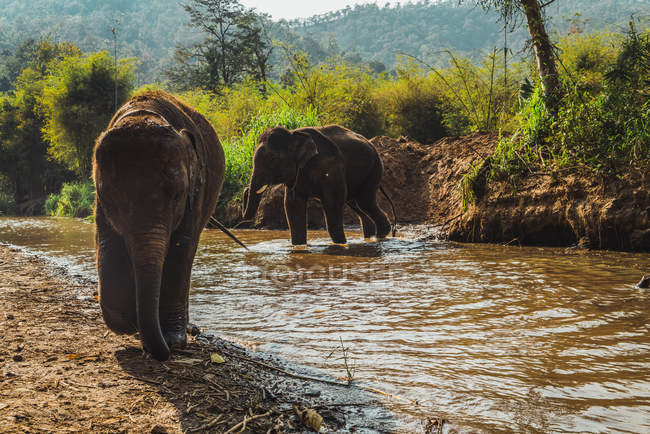
The world is facing a silent but rapidly escalating crisis—wildlife populations across the globe are declining at an alarming rate. From dense forests to fragile ecosystems, the natural habitats that once supported rich biodiversity are shrinking, putting thousands of species at risk.
According to global environmental assessments, habitat destruction, climate change, and human interference are the primary drivers behind this decline. Forests are being cleared for development, water bodies are polluted, and changing climate patterns are disrupting ecosystems that have existed for centuries.
The Growing Threat to Biodiversity
Wildlife plays a crucial role in maintaining ecological balance. Every species, from the smallest insect to the largest predator, contributes to the functioning of ecosystems. However, the current rate of biodiversity loss is far higher than natural extinction rates.
This imbalance is not just a threat to wildlife—it directly impacts human survival as well. Healthy ecosystems provide clean air, water, food, and climate regulation, all of which are essential for life.
Climate Change Accelerating the Crisis
One of the biggest challenges facing wildlife today is climate change. Rising temperatures, unpredictable weather patterns, and changing rainfall cycles are forcing species to migrate, adapt, or face extinction.
Many animals are struggling to survive as their natural habitats become unsuitable. For instance, species dependent on cold environments are losing their habitats rapidly due to global warming.
This environmental shift is creating a ripple effect, impacting entire food chains and ecosystems.
According to recent global wildlife reports, biodiversity loss is accelerating due to climate change and human activities.
Human Activities and Habitat Destruction
Urbanization, industrial expansion, and deforestation are significantly reducing wildlife habitats. As human populations grow, natural landscapes are being converted into cities, roads, and agricultural land.
Illegal hunting and poaching also continue to threaten several endangered species. Despite strict laws in many countries, enforcement remains a challenge.
This growing pressure highlights the urgent need for sustainable development practices that balance human needs with environmental protection.
Conservation Efforts and Global Initiatives
Governments and environmental organizations worldwide are working to address this crisis. Wildlife sanctuaries, conservation programs, and international agreements are being implemented to protect endangered species.
In India, several initiatives have shown positive results, including tiger conservation programs and protected forest zones. These efforts demonstrate that with proper planning and commitment, wildlife populations can recover.
However, conservation requires consistent effort, awareness, and global cooperation.
The Role of Technology in Wildlife Protection
Modern technology is playing an increasingly important role in conservation. From satellite tracking to AI-powered monitoring systems, new tools are helping scientists track animal movements, prevent poaching, and protect habitats.
This integration of technology and conservation reflects a broader trend where innovation is being used to solve complex global challenges.
Why This Matters More Than Ever
Wildlife conservation is not just an environmental issue—it is a survival issue for humanity. The loss of biodiversity can lead to ecosystem collapse, affecting food security, climate stability, and overall quality of life.
Protecting wildlife today ensures a sustainable future for the next generations.
The importance of maintaining natural balance and sustainable living is something we explored deeply in our article on the benefits of a vegetarian lifestyle and its impact on nature.
Update (April 2026)
Recent reports suggest that while some conservation efforts are showing results, the overall trend of wildlife decline continues, making it one of the most critical global challenges of our time.
This environmental crisis also aligns with global scientific concerns, as discussed in our recent report on how scientists are exploring ways to cool the Earth through geoengineering.
Source: WWL
Read More: Latest News
Read More Interesting Content in My Blog Section of ‘The Thrive Journey’.