







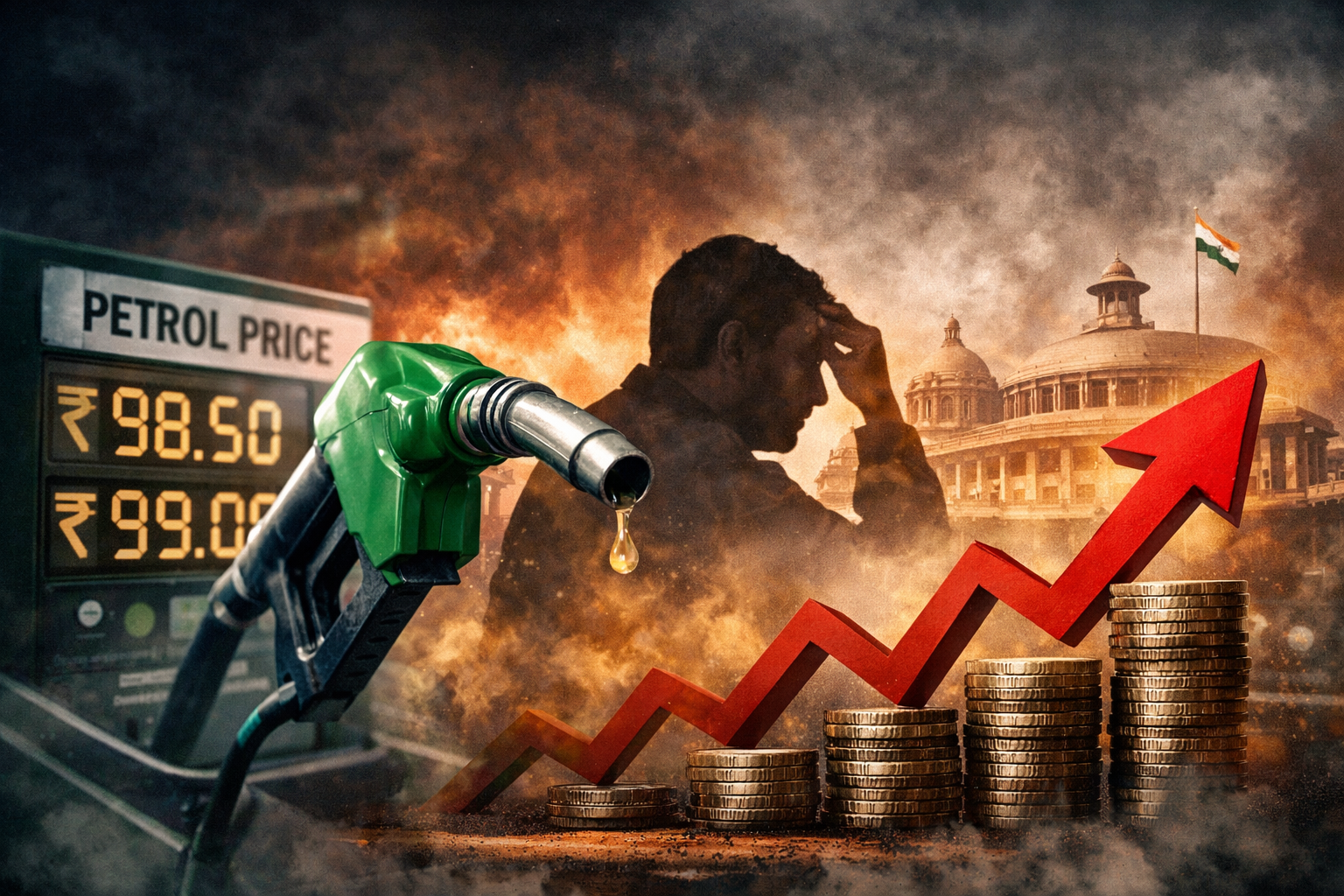
In a move that initially raised hopes for relief among millions of consumers, the government recently announced a reduction in excise duty on petrol and diesel. However, despite this decision, fuel prices across major Indian cities have remained unchanged, leaving many people confused and frustrated.
The situation has quickly become one of the most discussed topics across the country, as citizens expected an immediate drop in fuel prices following the government’s announcement. Instead, petrol and diesel rates have stayed steady, triggering widespread debate over how fuel pricing actually works in India.
As fuel supply concerns continue to evolve globally, a recent report on West Asia conflict disrupts energy supply chains highlights how geopolitical tensions are indirectly impacting fuel pricing stability in India.
Why Fuel Prices Did Not Drop
The primary reason behind unchanged fuel prices lies in how oil marketing companies (OMCs) manage pricing.
Experts explain that although the government reduced excise duty, oil companies are currently using that margin to recover earlier financial losses rather than passing the benefit directly to consumers.
Over the past year, fluctuations in global crude oil prices forced these companies to absorb costs at various points. The recent duty cut is now being used as an opportunity to stabilize their financial position.
This means that while the government has reduced its share of taxes, the final retail price has not changed significantly.
Global Crude Oil Prices Are Rising
Another major factor influencing fuel prices is the movement of global crude oil markets.
Crude oil prices have been rising due to geopolitical tensions and supply uncertainties. When global oil prices increase, the cost of importing crude oil also goes up for countries like India, which rely heavily on imports.
As a result, even if taxes are reduced, rising crude prices can offset any potential benefit for consumers.
According to recent reports, fuel prices remain unchanged despite excise duty cuts due to global crude oil pressure and recovery adjustments by oil companies, highlighting the complexity of pricing mechanisms in the energy sector.
How Fuel Pricing Works in India
To understand the current situation, it is important to know how fuel prices are determined.
The price of petrol and diesel in India includes:
- Cost of crude oil
- Refining charges
- Transportation costs
- Central excise duty
- State VAT (tax)
- Dealer commission
Even a small change in any of these components can affect the final retail price.
Since fuel prices are revised daily based on international rates, global developments play a critical role in determining domestic prices.
Public Reaction and Market Impact
The lack of immediate price relief has led to growing concerns among consumers, especially as fuel costs directly impact transportation, food prices, and overall inflation.
For many households, high fuel prices increase daily expenses, affecting budgets and purchasing power.
Businesses, particularly in logistics and transportation sectors, also face increased operational costs, which can eventually influence product prices in the market.
What Experts Are Saying
Market analysts suggest that fuel prices may see adjustments in the coming weeks, depending on:
- Stability in global crude oil prices
- Government policy decisions
- Financial recovery of oil marketing companies
However, they also caution that price reductions are unlikely unless there is a significant decline in global oil prices.
What to Expect Next
For now, consumers may not see immediate relief at fuel stations. The situation remains closely tied to global oil markets and domestic pricing strategies.
As energy markets continue to fluctuate, any future price changes will depend on how international and domestic factors evolve.
Until then, fuel prices are expected to remain a key topic of discussion across India.
In today’s digital world, many commuters are increasingly relying on smart tools and insights explained in How AI is used in everyday life to optimize travel routes and manage rising fuel expenses efficiently.
Source: Economic Times
Read More: Latest News
Read More Interesting Content in My Blog Section of ‘The Thrive Journey’.