







Tensions in the Red Sea have intensified as several global powers increase their naval presence in one of the world’s most important shipping corridors. The escalation follows a series of attacks on commercial vessels passing through the region, raising concerns about the safety of international trade routes and the potential for broader geopolitical conflict.
The Red Sea connects the Mediterranean Sea to the Indian Ocean through the Suez Canal, making it a critical passage for global shipping. A large portion of the world’s oil, gas, and manufactured goods travels through this route each year. Any disruption in the region can therefore have significant consequences for global trade and energy markets.
Recent developments have prompted the United States, the United Kingdom, and other allied nations to deploy additional naval forces to protect commercial shipping and maintain stability in the region.
Attacks on Commercial Ships Raise Global Alarm
The escalation in tensions began after several cargo ships reported attacks while passing through the Red Sea. Some vessels were targeted by drones and missiles launched from areas controlled by Houthi forces in Yemen.
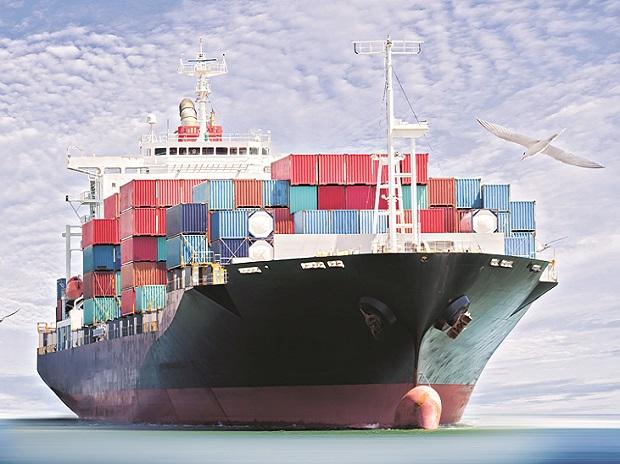
Shipping companies operating in the region have expressed growing concern over the safety of crews and cargo. Several major shipping firms have temporarily rerouted vessels around the Cape of Good Hope in southern Africa to avoid the high-risk area.
While this alternative route ensures greater safety, it also significantly increases travel time and transportation costs.
According to global shipping disruption reports from the Red Sea corridor, the rerouting of cargo vessels is already affecting supply chains and delivery timelines for goods moving between Asia and Europe.
Global Powers Strengthen Naval Patrols
In response to the attacks, several countries have strengthened military patrols in the Red Sea and nearby Gulf of Aden. Naval task forces are now escorting commercial ships through high-risk zones while monitoring potential threats from drones and missile systems.
The United States has led a multinational maritime security effort aimed at protecting international shipping lanes. Warships from allied countries have joined patrol operations, increasing surveillance and rapid-response capabilities in the region.
Military officials say the objective is to deter further attacks and ensure that commercial shipping continues to move safely through one of the world’s most vital maritime corridors.
Economic Impact on Global Trade
The Red Sea crisis has already begun affecting global trade and energy markets. When shipping companies divert vessels away from the Suez Canal route, transportation costs increase due to longer travel distances and higher fuel consumption.
Supply chains for consumer goods, electronics, and energy resources may experience delays if disruptions continue for an extended period.
Energy markets are particularly sensitive to developments in the region. Any perceived threat to oil transportation routes can influence global oil prices and increase volatility in energy markets.
The situation has also raised concerns among international economists who warn that prolonged disruptions could contribute to inflationary pressure in global markets.
Regional Geopolitics Add Complexity
The Red Sea crisis is closely connected to broader geopolitical tensions in the Middle East. Several regional actors are involved directly or indirectly in the conflict dynamics surrounding Yemen and the surrounding maritime region.
Security experts warn that the situation could escalate if military operations expand or if additional actors become involved. Diplomatic efforts are therefore ongoing to prevent further escalation and stabilize the region.
International organizations are also monitoring the situation closely because disruptions in the Red Sea affect not only regional countries but also global commerce.
Strategic Importance of the Red Sea Corridor
The Red Sea remains one of the most strategically important maritime routes in the world. Roughly 12 percent of global trade passes through the Suez Canal and Red Sea corridor every year.
Because of this importance, maintaining security in the region is a priority for many countries. Naval patrols and international cooperation are considered essential to prevent disruptions that could impact the global economy.
Experts say the crisis highlights the vulnerability of major global shipping routes and the need for stronger maritime security frameworks.
Global Attention Focused on Red Sea Stability
As tensions continue in the region, governments and shipping companies are closely monitoring developments. While naval patrols have increased security in some areas, uncertainty remains about how long the crisis may last.
The Red Sea situation also intersects with wider geopolitical tensions that are shaping international relations and trade patterns.
These developments echo broader strategic shifts discussed in our earlier analysis US–China Trade and Technology Tensions Enter New Phase, where major powers are competing for influence across global economic and security systems.
For now, the Red Sea remains a focal point of international attention as governments work to maintain the stability of one of the world’s most vital trade routes.
The Red Sea tensions also intersect with wider geopolitical shifts discussed in our earlier report US–China Trade and Technology Tensions Enter New Phase, highlighting how global trade routes are becoming central to strategic competition.
Source: Reuters
Read More: Latest News
Read More Interesting Content in My Blog Section of ‘The Thrive Journey’.