



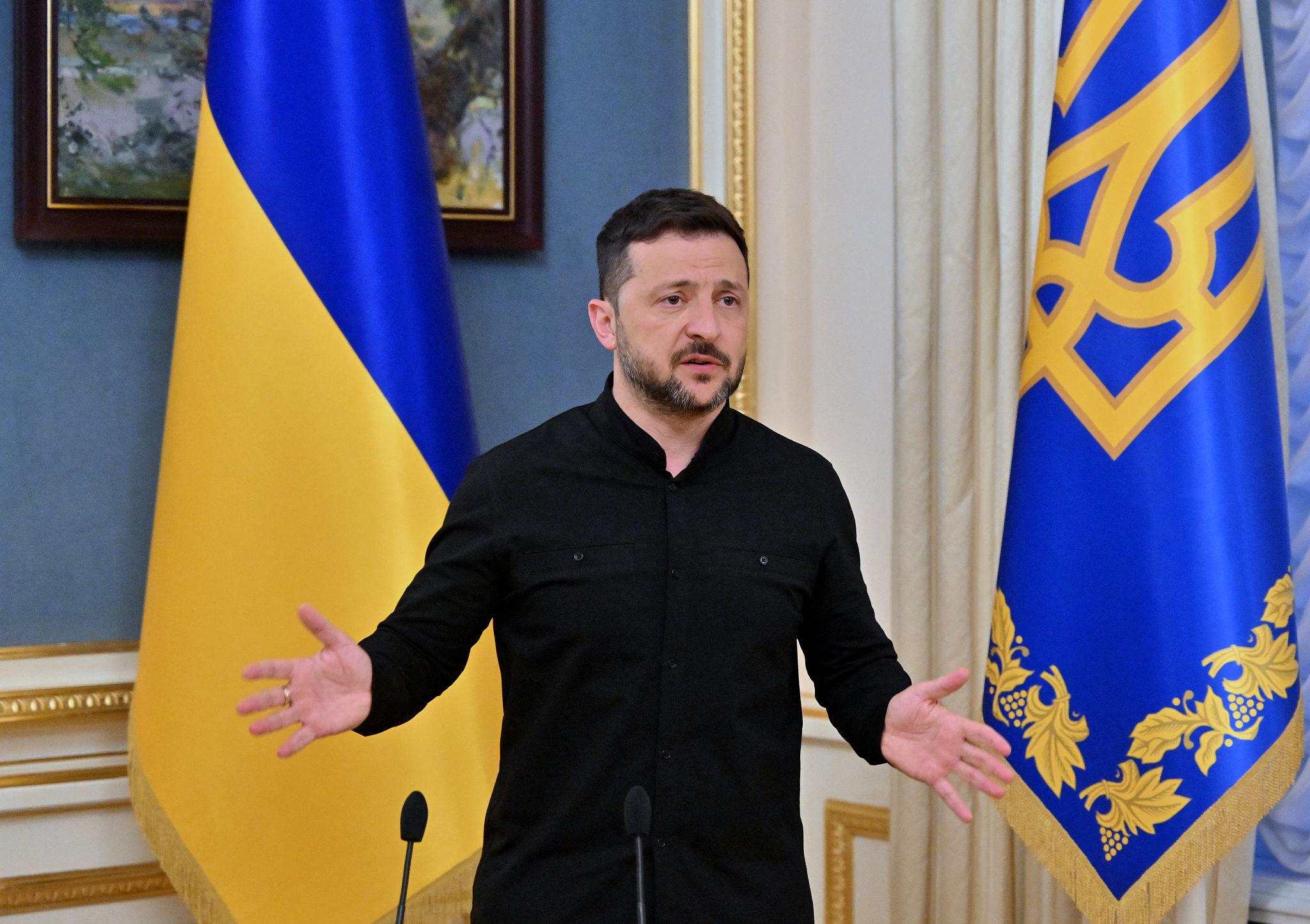
Ukrainian President Volodymyr Zelenskyy reiterated that there are “real opportunities to end the war with dignity,” signaling optimism about renewed peace talks. Kyiv is preparing for additional leadership-level negotiations with Russia, backed by international pressure and diplomatic efforts. Meanwhile, humanitarian concerns and calls for a political solution continue to shape the conflict’s trajectory as the war nears its fourth anniversary.
As the Russia-Ukraine war approaches its fourth anniversary, Ukrainian President Volodymyr Zelenskyy has reaffirmed his belief that peaceful resolution remains possible, with diplomatic pathways still open despite prolonged fighting and stalled negotiations.
In recent statements, Zelenskyy emphasized that “real opportunities to end the war with dignity still exist,” stressing the need for leadership-level engagement in peace talks that go beyond technical negotiating teams.
Push for Leadership-Level Peace Negotiations
Zelenskyy said Ukraine is ready to organize another round of negotiations involving heads of state or top leaders, which could prove decisive in breaking diplomatic deadlocks. According to his comments on social media, Ukraine hopes that pressure from the international community — including key allies — will help steer discussions toward a substantive agreement to halt the war.
Officials have signaled that such talks might take place as early as late February, reflecting ongoing diplomatic efforts to re-energize peace processes that have seen limited breakthroughs so far. Earlier rounds of trilateral negotiations — including meetings in Abu Dhabi and Geneva involving representatives from Ukraine, Russia and the United States — laid groundwork for further engagement but did not yield a definitive peace accord.
Humanitarian Appeals and Global Support
Beyond political negotiations, international figures are underscoring the urgency of diplomatic solutions. Barham Salih, the UN High Commissioner for Refugees, visited Kyiv this week and reiterated that diplomacy remains “the only viable path to peace” in light of severe humanitarian challenges within Ukraine, where millions have been displaced and millions more depend on international aid.
Salih’s comments highlight the broader context in which peace talks are unfolding: a prolonged conflict that has displaced millions internally and driven nearly 6 million refugees abroad, placing immense strain on humanitarian resources worldwide.
Military Pressure and Ongoing Conflict
While diplomatic prospects are discussed, the war itself shows little sign of abating. Heavy fighting continues across key fronts even as world powers push for negotiations. Recent reports indicate that Russian forces are escalating attacks on Ukrainian infrastructure and energy systems, adding pressure ahead of planned diplomatic rounds.
Zelenskyy’s message appears rooted in both realism and determination: acknowledging the brutal conditions on the ground while insisting that a political settlement must remain the goal. He underscored that peace talks require not only technical negotiation but also leadership commitment from all parties involved to address unresolved political and territorial issues.
International Diplomatic Dynamics
The Ukraine-Russia conflict has remained a major focus of international diplomacy. Western countries — including the United States, members of the European Union, and NATO allies — continue to support Ukraine’s defense while advocating channels for peaceful resolution.
Experts note that security guarantees, ceasefire frameworks, and territorial disputes (especially over regions like Donbas and Crimea) remain central sticking points in any viable peace agreement. Addressing these complex issues will be critical in shaping the terms under which a lasting truce could be realized.
Source: InterFax
Read More: Latest News