








Escalating attacks on commercial vessels in the Red Sea are intensifying global security concerns, prompting major powers to expand naval operations to protect one of the world’s most critical trade routes.
The Red Sea has emerged as one of the most volatile geopolitical flashpoints, as repeated maritime attacks disrupt global shipping lanes and trigger coordinated military responses from major powers. What began as isolated incidents has evolved into a sustained security crisis affecting global trade, energy supplies, and regional stability.
The Red Sea is a vital corridor connecting Europe and Asia through the Suez Canal, handling a significant percentage of global container traffic and energy shipments. Any disruption along this route immediately impacts supply chains, freight costs, and oil prices worldwide.
Why the Red Sea Matters So Much
Roughly 10–15% of global trade passes through the Red Sea and the Bab el-Mandeb Strait. This includes oil, liquefied natural gas (LNG), and consumer goods moving between Asia and Europe. When vessels face threats or reroute around Africa’s Cape of Good Hope, shipping times increase by weeks, pushing freight costs higher.
Recent attacks on commercial ships have forced several global shipping companies to temporarily suspend transit through the area. Insurance premiums for vessels operating in the region have also surged, reflecting rising risk perceptions.
Military Response Expands
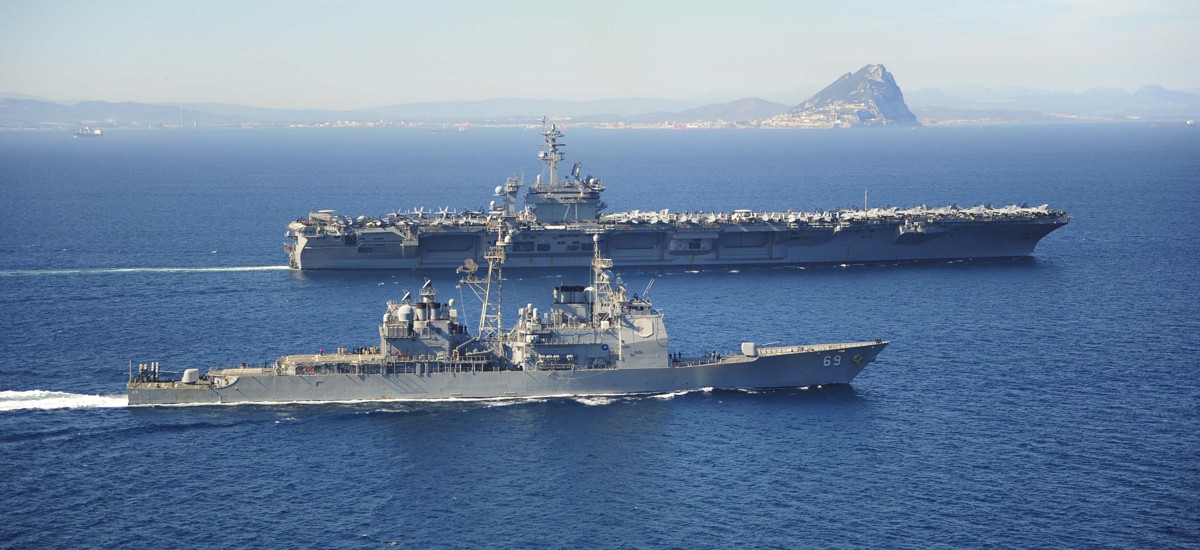
In response, the United States and allied nations have increased naval patrols and escort missions to safeguard merchant vessels. European and regional powers are also coordinating security operations to deter further attacks and ensure freedom of navigation.
The growing naval presence reflects the seriousness of the situation. Governments view maritime security not merely as a regional concern but as a matter of global economic stability. The crisis underscores how localized conflicts can have immediate global consequences in an interconnected economy.
According to Red Sea maritime security crisis and global trade impact, policymakers warn that prolonged disruption in the Red Sea could significantly impact global supply chains and energy markets.
global geopolitics and security analysis
Economic and Energy Implications
Energy markets are particularly sensitive to instability in the Red Sea region. Even minor disruptions can influence oil price volatility. Traders closely monitor developments, as prolonged conflict could affect global inflation trends.
Supply chains, already strained by previous global shocks, face renewed uncertainty. Longer transit routes increase fuel consumption, delay deliveries, and create ripple effects across manufacturing and retail sectors.
Geopolitical Stakes Rising
Beyond economic concerns, the crisis has broader geopolitical implications. Maritime security operations require coordination among global powers, sometimes exposing strategic rivalries. The Red Sea connects regions already experiencing tensions, including the Middle East and parts of Africa.
Analysts caution that miscalculations or accidental escalation between naval forces and hostile actors could widen the conflict. Diplomatic efforts are ongoing, but the security environment remains fragile.
Long-Term Outlook
Unlike short-lived flashpoints, the Red Sea crisis appears structurally linked to wider regional tensions. As long as instability persists in surrounding areas, maritime routes may remain vulnerable.
Governments are expected to maintain heightened naval deployments for the foreseeable future. Shipping firms are also reassessing contingency plans to reduce dependency on single trade corridors.
The unfolding situation highlights a broader reality of modern geopolitics: critical economic arteries can become strategic pressure points. Stability in maritime zones is no longer just about trade — it is about maintaining the backbone of the global economy.
Source: Reuters
Read More: Latest News