





A new nostalgia wave is spreading worldwide as social media users revive 2016-era internet culture in 2026. From throwback filters and music to “simpler times” aesthetics, the trend is reshaping what’s going viral across platforms. Brands and creators are also jumping in—carefully—because audiences want authenticity, not forced marketing.
A Throwback Trend That’s Everywhere
If your feed suddenly looks like it time-travelled back a decade—think old filters, throwback poses, and 2016-style edits—you’re not imagining it. A fast-growing trend framing “2026 as the new 2016” has become a global internet moment, cutting across countries, languages, and platforms.
What’s interesting is why this is catching fire now. It’s not just fashion or memes. The vibe is more emotional: people miss the less polished, less “algorithm-heavy” version of the internet, and they’re recreating it in short, shareable formats.
What People Are Posting
Creators are using a familiar playbook—simple edits, recognizable throwback aesthetics, and nostalgia-friendly audio—then adding a modern twist.
Common patterns include:
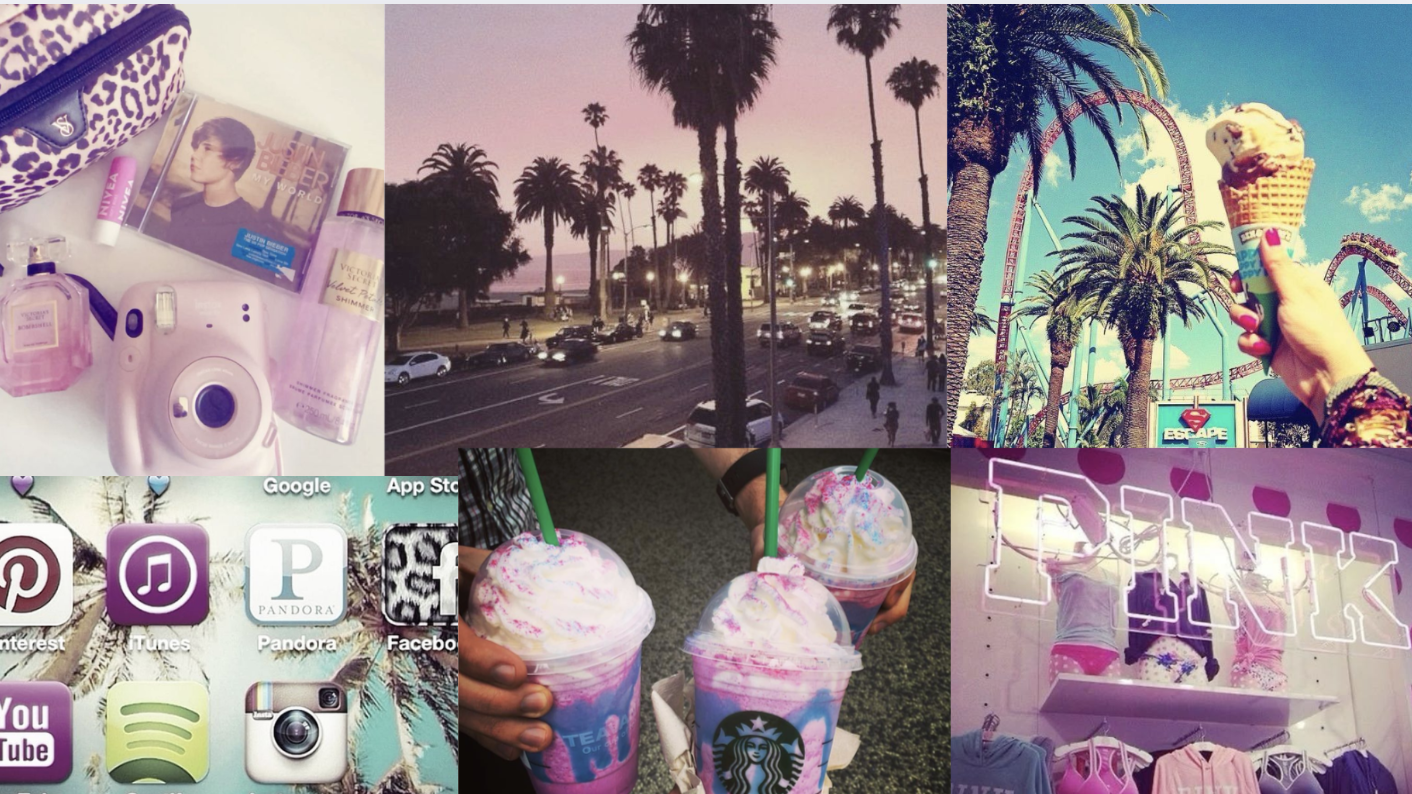
Re-creating old-school photo styles and “throwback dump” posts
Reusing 2016-era filters (or modern versions that imitate them)
Throwback playlists and “peak 2016” pop references
Short montage reels that contrast “then vs now” mood
This trend works because it’s quick to understand. Viewers don’t need context—2016 culture is instantly recognizable, even for people who weren’t fully online then.
Why It’s Trending Globally
The biggest driver is emotional: audiences are tired of overly curated content. Nostalgia offers comfort, familiarity, and a “lighter internet” feeling—especially in a period where AI-made content is everywhere and many people crave something that feels real.
There’s also a practical reason: throwback content performs well because it’s highly shareable. People tag friends, compare memories, and post “my 2016 self would never believe this.”
Brands Are Watching Carefully
Some brands are already testing 2016-inspired creative—but the risk is obvious: the internet punishes anything that feels forced.
If a brand joins the trend successfully, it usually follows these rules:
Keep it light (no hard selling)
Use real archives (old photos, original posts, early product packaging)
Avoid overproduction—raw looks more authentic here
Make it about community (“remember this?”) rather than marketing
In simple words: if it feels like an ad, it dies fast. If it feels like a shared memory, it travels.
What This Means for Creators and Publishers
For creators, this is a high-opportunity moment because the format is flexible:
Lifestyle creators can do throwback aesthetics and playlists
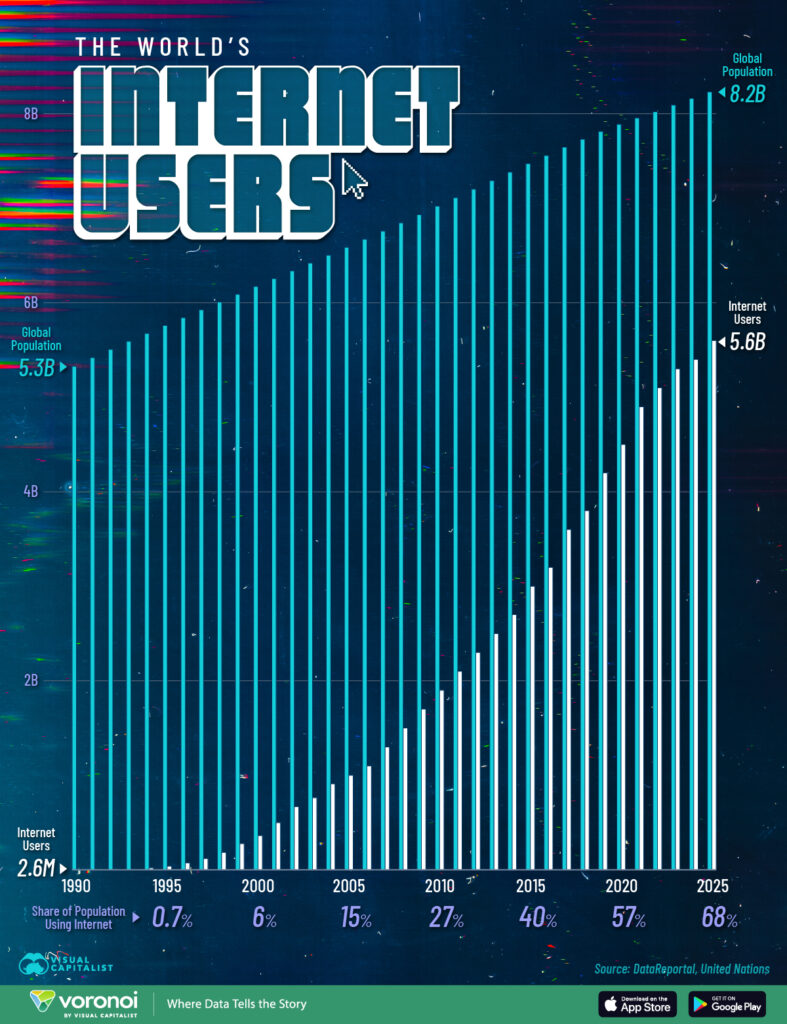
Tech creators can compare “2016 internet vs 2026 internet”
News publishers can cover the cultural angle without turning it into a lecture
For a site like News.TheThriveJourney.com, this trend is especially useful because it sits at the intersection of culture, internet behavior, and the creator economy—topics that readers naturally click, skim, and share.
The Bigger Picture
This trend isn’t only about 2016. It’s a signal that audiences want:
More human, less manufactured content
Lower-polish storytelling
Emotional relatability over “perfect” visuals
If the internet in 2026 is moving toward authenticity again, expect more trends that celebrate “realness” rather than perfection.
Source: People.com
Read More: Latest News